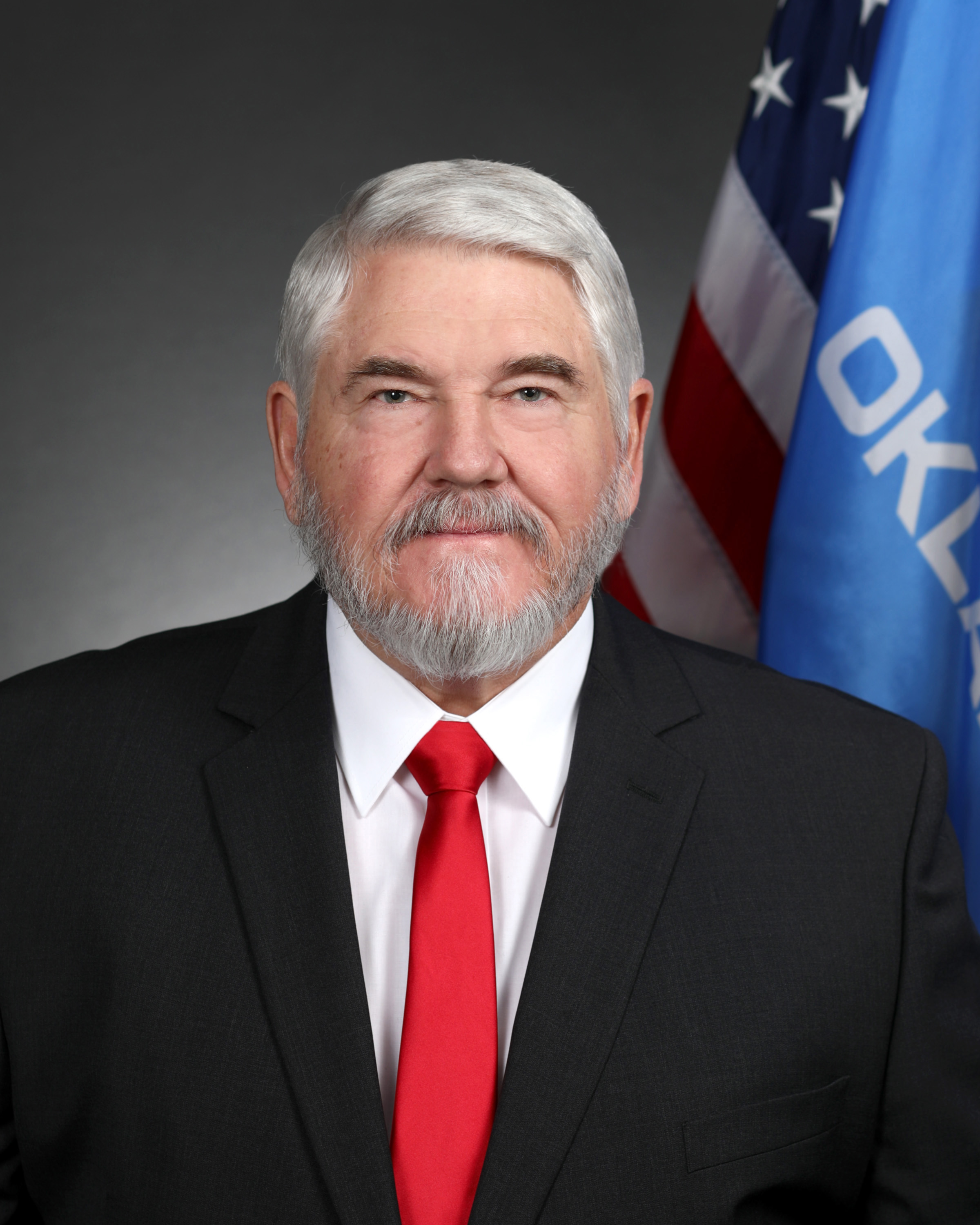
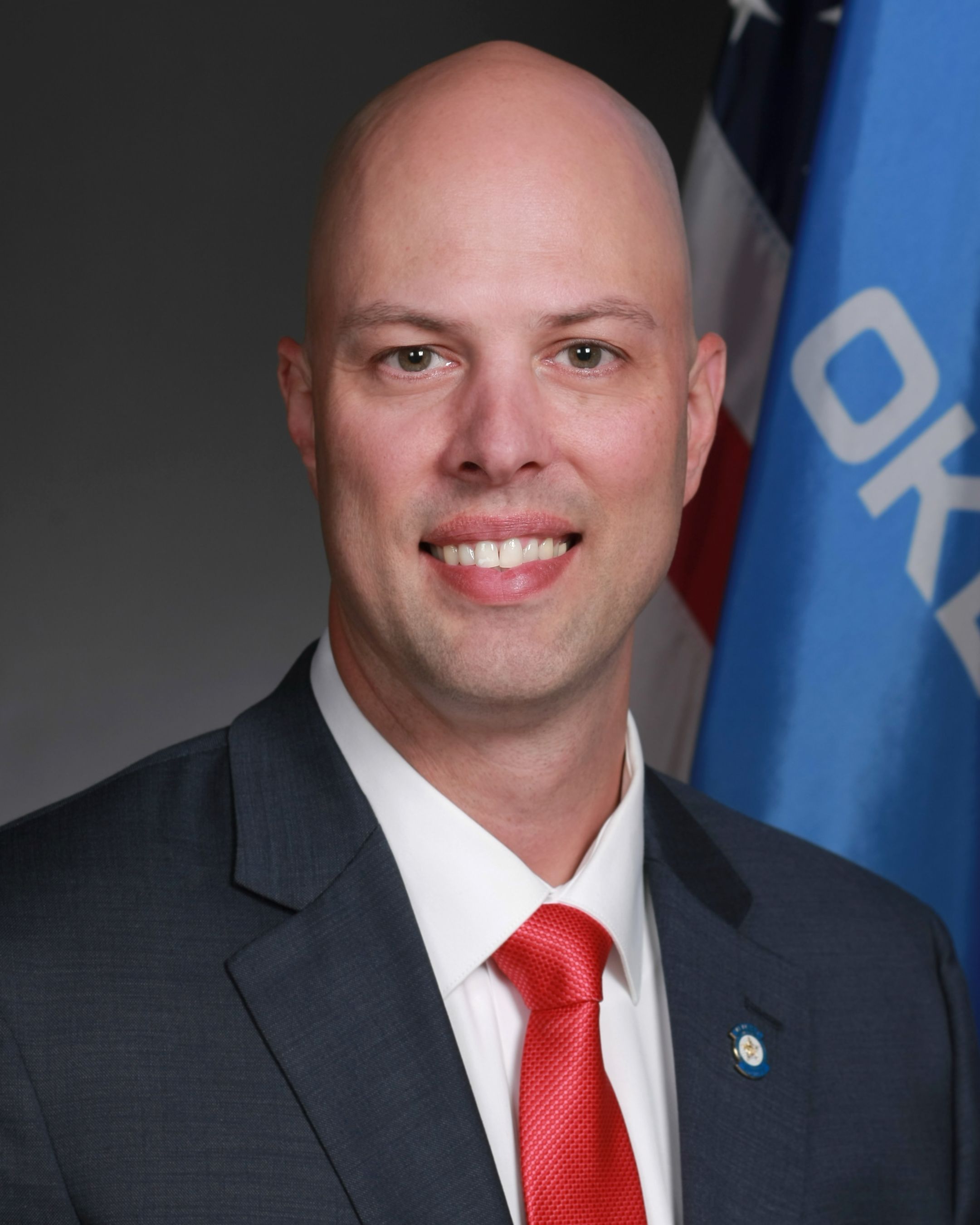
This bill proposes changes to Oklahoma's voting eligibility rules for individuals with criminal convictions. It would modify the current law regarding when felons regain their right to vote after completing their sentences. The amendment seeks to restore specific language that defines the conditions under which convicted felons can vote again. This legislation directly affects people with criminal records who are seeking to restore their voting rights. The bill is currently in the early stages of the legislative process and has been referred to the Judiciary Committee for further review.
SB 1810 requires Oklahoma human trafficking shelters and service programs to obtain certification from the Attorney General. It authorizes the Attorney General to enter agreements with service providers for victims and expands telephone communication services for victims. The bill also mandates confidentiality for victim information and updates definitions of human trafficking, including "coercion" and "debt bondage." These changes directly affect victims seeking services and the shelters/programs providing them, aiming to standardize and improve support systems.
HB 2137 modifies Oklahoma's criminal procedure laws to clarify how courts handle defendants found incompetent to stand trial who may regain competency. It requires courts to hold new hearings if medical staff report potential competency restoration and mandates strict procedures for authorizing involuntary medication (including psychiatric medication) to restore competency, including requiring petitioners to prove necessity with "clear and convincing evidence." The bill ensures defendants receive legal representation, 30-day hearing deadlines, and specific court findings on medical necessity, alternatives, and the defendant's wishes. It directly affects individuals in criminal cases under involuntary competency restoration, ensuring due process while allowing medication administration only when medically justified and legally permissible.
SB 1325 requires courts to mandate GPS monitoring for defendants charged with specific domestic violence offenses - such as domestic abuse by strangulation, with a deadly weapon, or after a prior conviction - when released on bond. Defendants must pay all costs for the GPS device and monitoring, which the Oklahoma Department of Corrections will administer until the case concludes. Victims may also request limited location monitoring (e.g., alerts if the defendant nears specified locations, excluding their home or workplace), but only after a court finds evidence of the defendant’s intent to commit violence. The bill takes effect November 1, 2026, and GPS devices must be removed if the defendant is acquitted, incarcerated, or the case dismissed.
HB 3040 expands Oklahoma's "zone of safety" protections to include the residences of sex crime victims and additional locations primarily serving minors, such as skating rinks, arcades, and water parks. It prohibits registered sex offenders from loitering within 500 feet of schools, child care centers, parks, or minor-focused venues, or within 1,000 feet of a victim's residence, with violations classified as Class D1 felonies. The bill includes exceptions for custodial parents during school activities (with advance notification to administrators) and for medical treatment or church attendance (with prior notification to facility leaders). These changes aim to strengthen safety measures around vulnerable locations while specifying clear boundaries and limited exemptions under Oklahoma law.
SB 2030 expands eligibility for expunging criminal records in Oklahoma by adding 17 new categories of qualifying individuals, including those with DNA evidence proving innocence, dismissed misdemeanor charges after waiting periods, and nonviolent felony convictions later reclassified as misdemeanors. It requires the Oklahoma State Bureau of Investigation to consider expungement requests, mandates an online portal for filing, and clarifies procedures for sealing records. The bill repeals outdated expungement provisions and modifies requirements for waiting periods after sentences or dismissals. It directly affects Oklahomans with specific criminal convictions or dismissed charges who meet the new criteria.
SB 1636 creates a formal process for reviewing cold cases at the Oklahoma State Bureau of Investigation (OSBI). It defines "cold cases" as violent crimes with exhausted leads and unidentified perpetrators, and establishes that immediate family members can request a "case file review" of these cases. The bill requires the OSBI to complete reviews within 60 days (with possible 30-day extensions), mandates coordination with law enforcement, and sets specific criteria for when reviews can be initiated. This procedural bill directly affects families of cold case victims by providing a structured way to seek updates on unresolved investigations.
SB 1379 establishes a two-year pilot program through Oklahoma's Attorney General's Office to provide grants to private nonprofit organizations supporting victims of sexual and labor trafficking. The program funds specific services like emergency shelter, mental health counseling, legal assistance, job training, and medical care - directly benefiting trafficking victims through partner organizations. Eligible organizations must demonstrate experience serving trafficking victims, maintain confidentiality, and use grants primarily for direct services (not exceeding 15% for administrative costs). Recipients must submit quarterly reports on services provided and outcomes, with the Attorney General compiling annual program evaluations for state leaders. The bill expands allowable uses of the Victims of Human Trafficking Fund to support this initiative.
HB 4324 allows Oklahoma district attorneys to request sentence adjustments for certain offenders at any time after sentencing, provided they do not seek to increase confinement or supervision periods. The bill requires district attorneys to seek victim input and provide written notice to victims before filing such requests, and courts must consider rehabilitation progress, changed circumstances, and victim testimony when reviewing adjustments. It specifically applies to offenders serving life without parole for non-violent crimes (after 10+ years), drug-related sentences, and others, while excluding death sentences, life without parole for violent crimes, and sex offender registration cases. The law aims to create a structured process for modifying sentences based on updated information, with victims having a formal role in the review.
SB 2072 prevents property title theft by requiring county clerks to accept and record notices of fraudulent property transfers without charging a filing fee. It directly affects victims of title theft (people whose property titles were stolen), county clerks, and local law enforcement agencies. The bill mandates that after filing such a notice, county clerks must send a copy to the district attorney and local police for investigation. The law takes effect November 1, 2026, and allows victims to seek court enforcement if a clerk unjustly refuses to record a valid notice.