

Criminal procedures; resumption of competency; administration of medication; notification; authorization; effective date.
HB 2137 modifies Oklahoma's criminal procedure laws to clarify how courts handle defendants found incompetent to stand trial who may regain competency. It requires courts to hold new hearings if medical staff report potential competency restoration and mandates strict procedures for authorizing involuntary medication (including psychiatric medication) to restore competency, including requiring petitioners to prove necessity with "clear and convincing evidence." The bill ensures defendants receive legal representation, 30-day hearing deadlines, and specific court findings on medical necessity, alternatives, and the defendant's wishes. It directly affects individuals in criminal cases under involuntary competency restoration, ensuring due process while allowing medication administration only when medically justified and legally permissible.
Bill status
signed
all 5 stages cleared
Introduction
Feb 2025
Committee Review
May 2026
House Passage
May 2026
Senate Passage
May 2026
Signed into Law
May 2026
Introduced Feb 3, 2025
Signed May 12, 2026
Maddy AI version diff · 8 comparisons
What changed between versions
Floor (House)
→
Floor (Senate)
·
2 edits
MINOR
The bill text was reformatted from the House version to the Senate version, primarily changing the header information, committee attribution, and page numbering. The core legal text regarding competency hearings and medication administration remains substantively unchanged, though minor formatting adjustments were made to the list of rights for patients.
TECHNICAL
The document header was updated to reflect the Senate floor version, including a new date (April 15, 2025) and a different committee report attribution (Committee on Judiciary instead of Judiciary and Public Safety Oversight).
Page numbers and footer text were updated to reflect the Senate version layout, while the main body of the law regarding competency restoration and medication authorization remained identical.
Floor votes · Senate May 5, 2026 · House Mar 11, 2025
How they voted
40–6
Passed · 4 other
Total votes 50
May 5, 2026
D
Democratic9
66% Nay
R
Republican41
92% Yea
Vote distribution
All Yea
All Nay
Mixed
No data
Full legislative history
Actions timeline
Total actions
31
Key actions
10
Committee
8
Amendments
1
May 12, 2026
Signed into law
Approved by Governor 05/11/2026
lower
May 6, 2026
Committee
Referred for enrollment
lower
May 6, 2026
Lower · Passed
Fourth Reading, Measure passed: Ayes: 80 Nays: 1
lower
May 6, 2026
Lower · Passed
SA's read, adopted
lower
May 5, 2026
Upper · Passed
Engrossed to House
upper
May 5, 2026
Committee
Referred for engrossment
upper
May 5, 2026
Upper · Passed
Measure passed: Ayes: 38 Nays: 6
upper
May 5, 2026
Introduced
General Order, Amended by Floor Substitute
upper
Apr 15, 2025
Upper · Passed
Reported Do Pass Judiciary committee; CR filed
upper
Mar 12, 2025
Introduced
First Reading
upper
Mar 12, 2025
Lower · Passed
Engrossed, signed, to Senate
lower
Mar 11, 2025
Committee
Referred for engrossment
lower
Mar 11, 2025
Lower · Passed
Third Reading, Measure passed: Ayes: 84 Nays: 0
lower
Mar 3, 2025
Lower · Passed
CR; Do Pass, amended by committee substitute Judiciary and Public Safety Oversight Committee
lower
Feb 24, 2025
Lower · Passed
Policy recommendation to the Judiciary and Public Safety Oversight committee; Do Pass, amended by committee substitute Civil Judiciary
lower
Feb 12, 2025
Committee
Referred to Civil Judiciary
lower
Feb 12, 2025
Committee
Referred to Judiciary and Public Safety Oversight
lower
Feb 3, 2025
Introduced
First Reading
lower
2 primary · 0 co-sponsors
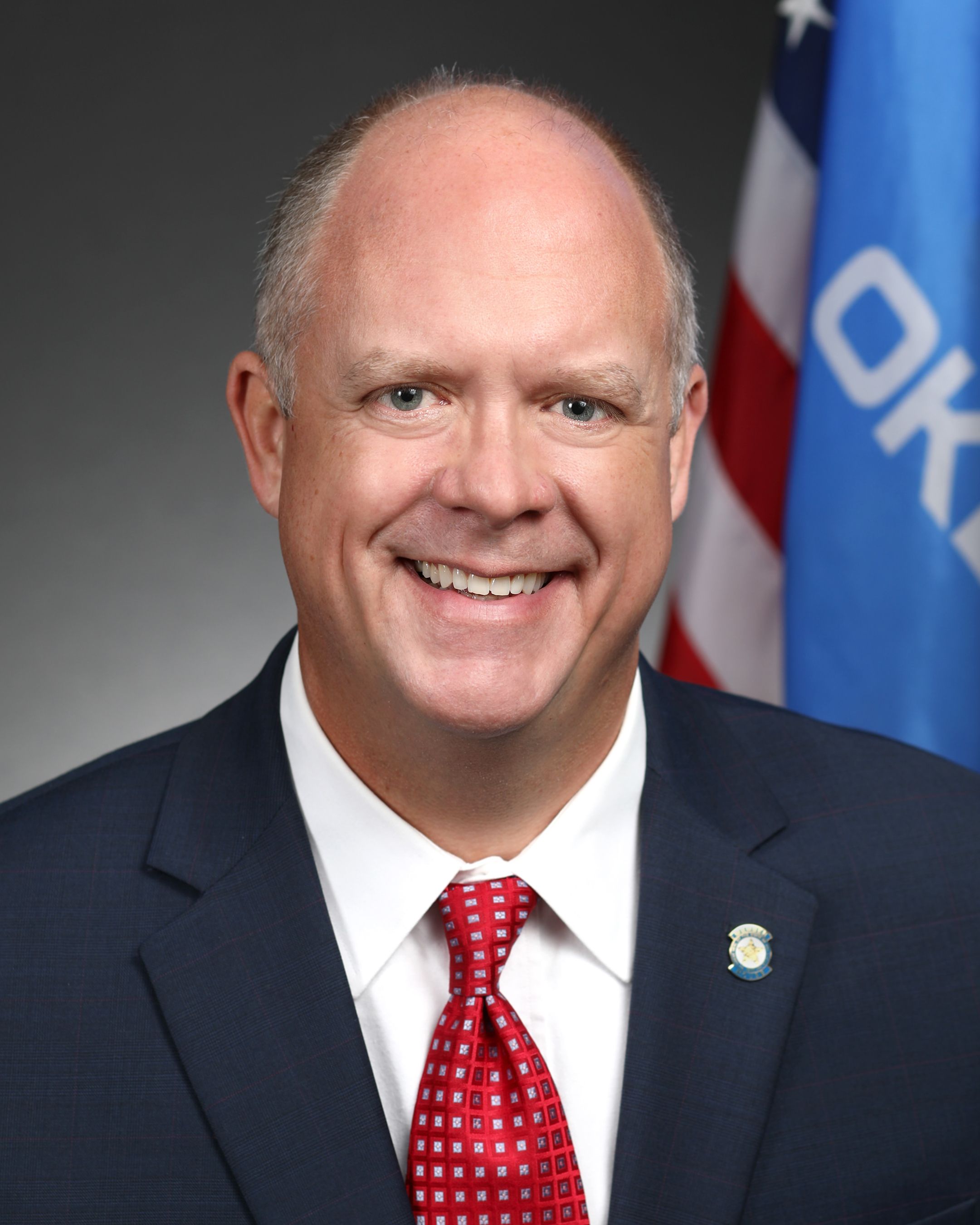
Sponsors

Ask Maddy
·
AI policy assistant
Ask Maddy about HB 2137
Scope: OK
Hi! I can help you understand HB 2137. What would you like to know?
Try one of these
i
Maddy answers using official bill text and legislative records. Always verify before sharing.
Sources cited inline