Issue · Budget & Taxes

Budget & Taxes (Business Taxes)

Every budget & taxes bill, vote, and legislator stance in Oklahoma, automatically classified by Maddy, our AI policy reader.

Total bills
45
2026 Regular Session
Top supporter
Chad Caldwell
100% support rate
Top opponent
Mary Boren
12% support rate
Ranked legislators
10
5 support · 5 oppose
Key legislators

Who's moving business taxes in Oklahoma

Legislators moving business taxes in Oklahoma
Legislator Party Stance Support rate Votes
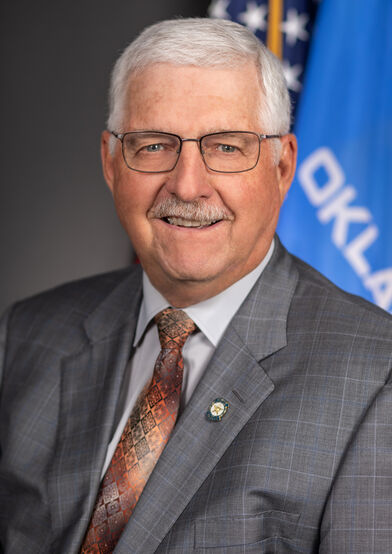
Chad Caldwell
Chad Caldwell House · District 40
R
Strong +
100% 10
Roland Pederson
Roland Pederson Senate · District 19
R
Strong +
100% 10
Chris Kannady
Chris Kannady House · District 91
R
Strong +
100% 4
Mike Lay
Mike Lay House · District 68
R
Strong +
92% 13
Grant Green
Grant Green Senate · District 28
R
Strong +
91% 11
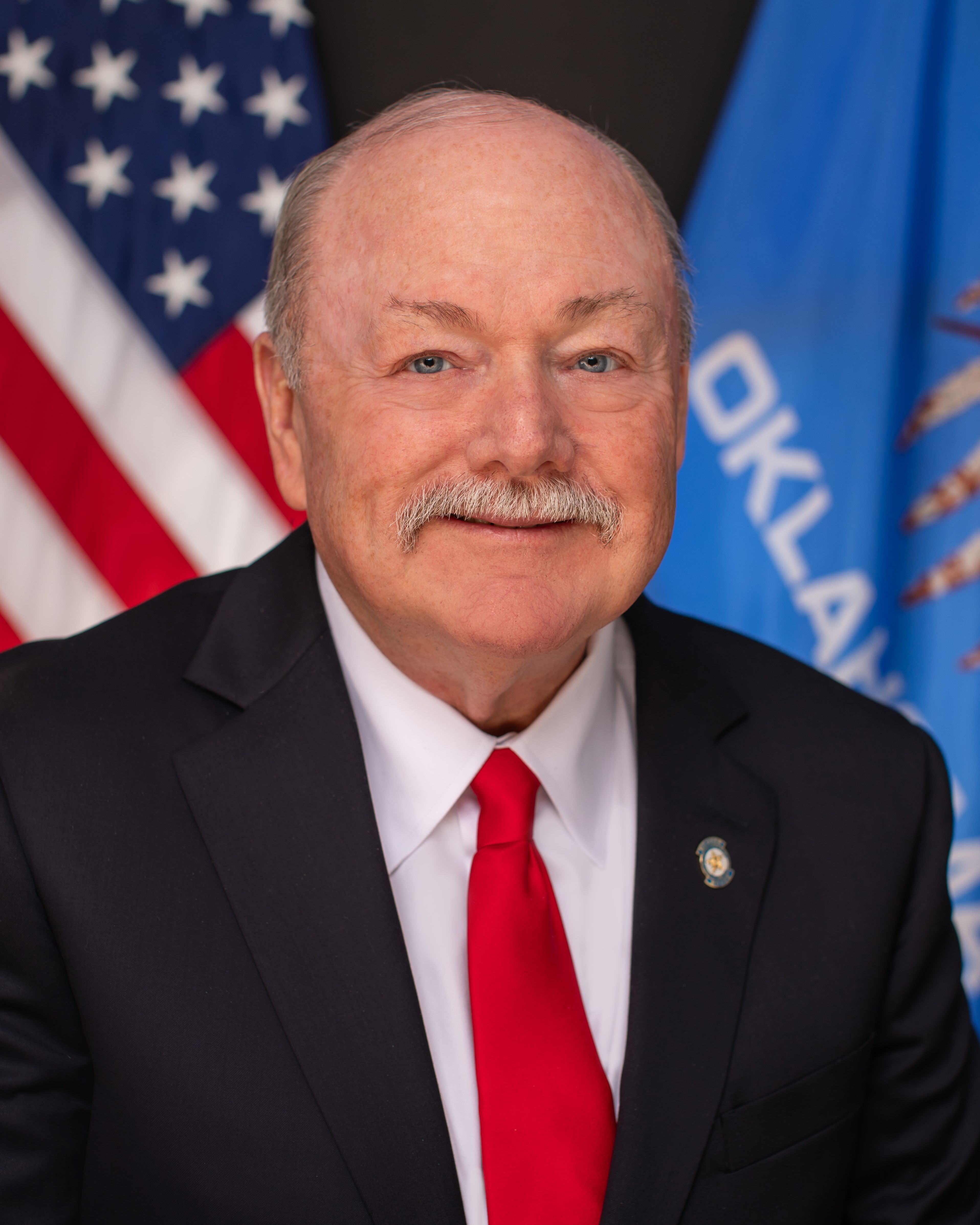
Mary Boren
Mary Boren Senate · District 16
D
Strong −
12% 8
Nikki Nice
Nikki Nice Senate · District 48
D
Oppose
22% 9
Andy Fugate
Andy Fugate House · District 94
D
Oppose
23% 13
Meloyde Blancett
Meloyde Blancett House · District 78
D
Oppose
23% 13
Jo Anna Dossett
Jo Anna Dossett Senate · District 35
D
Oppose
27% 11
Showing 21–30 of 45 bills

All budget & taxes bills

died · Oklahoma · House Feb 24, 2025

HB 2219: Revenue and taxation; Oklahoma Revenue and Taxation Act of 2025; effective date.

HB 2219, the "Crossroads Sound and Screen Act," creates tax rebates for music production companies that create content in Oklahoma. It offers tiered rebates (10-25% of facility costs, plus up to 14% more for Oklahoma-based talent or local work) with a $500,000 maximum per project and a $10 million annual spending cap. To qualify, companies must meet requirements like paying Oklahoma crews, carrying insurance, and participating in promotional activities. The program is administered by the Oklahoma Department of Commerce and Tax Commission using a dedicated revolving fund.
passed · Oklahoma · Senate Apr 10, 2025

SB 291: Income tax credit; providing certain tax credit. Effective date.

SB 291 creates a refundable income tax credit for Oklahoma residents based on revenue growth from oil, natural gas, and corporate income taxes. If the State Board of Equalization certifies that revenue growth exceeds 10% in a year, the Oklahoma Tax Commission calculates a credit amount using a formula based on the number of individual and married-filing-jointly tax returns from the prior year. The credit is doubled for married couples filing jointly, and the Commission must publish the calculated amount within 45 days of certification. The credit applies to tax years starting in 2026, with a November 1, 2025 effective date.
introduced · Oklahoma · Senate May 7, 2025

SCR 11: Concurrent resolution; stating legislative intent to reduce the individual income tax rate by 0.25% point.

SCR 11 is a concurrent resolution expressing the Oklahoma Legislature's intent to reduce the individual income tax rate by 0.25% for taxpayers. It directly affects all Oklahomans who pay individual income tax, aiming to return revenue to citizens while maintaining fiscal responsibility. The resolution urges state agencies to eliminate budget waste - particularly for unfilled positions - and protect core services like education and public safety during potential spending reductions. It does not enact a tax cut but formally states legislative intent to pursue this policy change during the upcoming session, citing Oklahoma's strong financial position with over $5 billion in reserves.
passed · Oklahoma · House Apr 8, 2025

HB 2402: Revenue and taxation; Oklahoma Advanced Manufacturing Incentive Act of 2025; time period; eligibility requirements; collaboration.

HB 2402 would create tax breaks and grants to attract manufacturers of low-temperature waste heat electrification technology (recovering heat below 200°C) to Oklahoma. Companies investing $10 million+ with 50+ new jobs would get up to 30% corporate tax breaks for five years (renewable), while larger investments ($20 million+ with 100+ jobs) qualify for 50% breaks. The state would cap annual spending at $8 million, with unused funds rolling over, and prioritize grants for facilities in economic development zones or energy-sector projects. Manufacturers must meet specific technology standards, submit job/investment plans, and report annually on progress to the Oklahoma Department of Commerce.
in committee · Oklahoma · House Feb 4, 2025

HB 2195: Revenue and taxation; individual income tax; rates; effective date.

HB 2195 lowers Oklahoma's top individual income tax rate to 4.75% for taxable years beginning in 2024, replacing previous rates of 5.50% and 5.25%. It affects all Oklahoma residents and nonresidents filing individual income tax returns by reducing tax burdens across multiple income brackets. Key changes include lowering rates on the highest income tiers (e.g., reducing the top rate from 5.50% to 4.75% for single filers above $6,150 and married filers above $11,750). The bill takes effect January 1, 2024, and eliminates deductions for federal income taxes paid.
in committee · Oklahoma · Senate Feb 4, 2025

SB 1117: Income tax; modifying definition of qualified project for economic development and infrastructure expenditures credit. Effective date.

This bill modifies Oklahoma's economic development tax credit program by adjusting location requirements to prioritize projects in counties with populations under 100,000 (pre-2026) or 400,000 (2026 onward). It increases the credit rate to 50% for rail infrastructure projects (e.g., new tracks, spurs) versus 10% for other construction, with a $6 million maximum credit per project. Businesses building in qualifying rural areas or adjacent to rail lines can claim these credits for eligible construction costs. Unused credits may be assigned to partners like vendors or investors, and unclaimed credits carry over for up to five years. The changes take effect November 1, 2025.
in committee · Oklahoma · Senate Feb 9, 2026

SB 1393: Income tax credit; creating the RESTORE Act; providing credit for certain adaptive reuse projects. Effective date. Emergency.

SB 1393, the RESTORE Act, creates a 50% tax credit for developers converting old, vacant commercial buildings (over 50 years old, vacant for 3+ years, and not eligible for historic tax credits) into residential housing. It directly affects property owners or developers who undertake "adaptive reuse" projects, covering extra renovation costs like environmental cleanup, code compliance, and infrastructure upgrades. The credit is capped at $5 million annually (2027-2037), requires 20% of units to be affordable for 10 years, and allows unused credit to carry forward to future tax years. Projects must meet specific affordability and location criteria, with annual reports tracking housing units and economic impact.
in committee · Oklahoma · Senate Feb 4, 2025

SB 290: Tax; modifying certain income tax rates for certain tax years. Effective date.

SB 290 modifies Oklahoma's individual income tax rates for tax years beginning in 2024 and later. It sets new tax brackets: for single filers, 0.25% on the first $1,000, rising to 4.75% on income over $6,250; for joint filers, 0.25% on the first $2,000, rising to 4.75% on income over $10,650. The bill directly affects all Oklahoma residents and nonresidents who file state income tax returns. These rate changes replace previous brackets and take effect starting with the 2024 tax year.
in committee · Oklahoma · Senate Feb 4, 2025

SB 327: Income tax; modifying marginal income tax brackets for certain tax years. Effective date.

SB 327 modifies Oklahoma's individual income tax rates for tax years beginning in 2024. It lowers the top marginal tax rate from 5.50% to 4.75% for single filers and married couples filing jointly, while adjusting brackets for lower income levels (e.g., 0.25% on the first $1,000 for singles instead of 0.5%). The bill directly affects Oklahoma residents filing individual income tax returns for 2024 and future years. Key changes include updated tax percentages across all income tiers, with the highest rate applying to income above specific thresholds (e.g., $12,200 for single filers). The bill is currently in committee review and would take effect for the 2024 tax year.
in committee · Oklahoma · House Feb 4, 2025

HB 1009: Revenue and taxation; income tax; rates; effective date.

HB 1009 reduces Oklahoma's individual income tax rates for tax years beginning in 2022-2024. It lowers the top marginal rate from 5.50% to 4.75% for single filers (and 5.50% to 5.25% for married couples filing jointly) on income above specific thresholds, with new brackets starting at 0.25% for the first $1,000 of taxable income. The bill directly affects all Oklahoma residents and nonresidents who file individual income tax returns. Key provisions include lowering rates across all income tiers and specifying that reductions apply to tax years ending in 2024. The bill also includes similar rate reductions for corporate income tax.
Showing 21 to 30 of 45 bills
Previous 1 2 3 4 5 Next