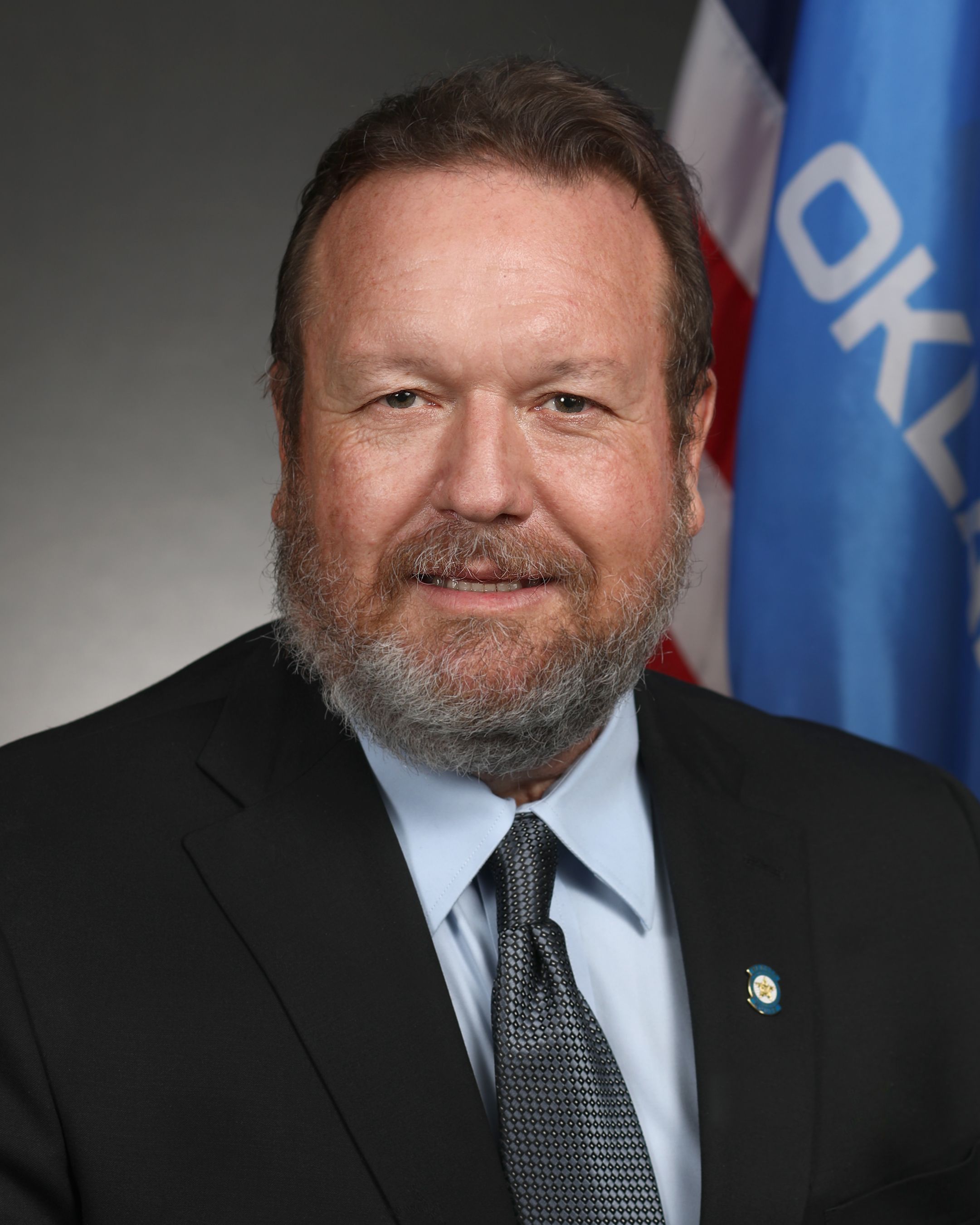
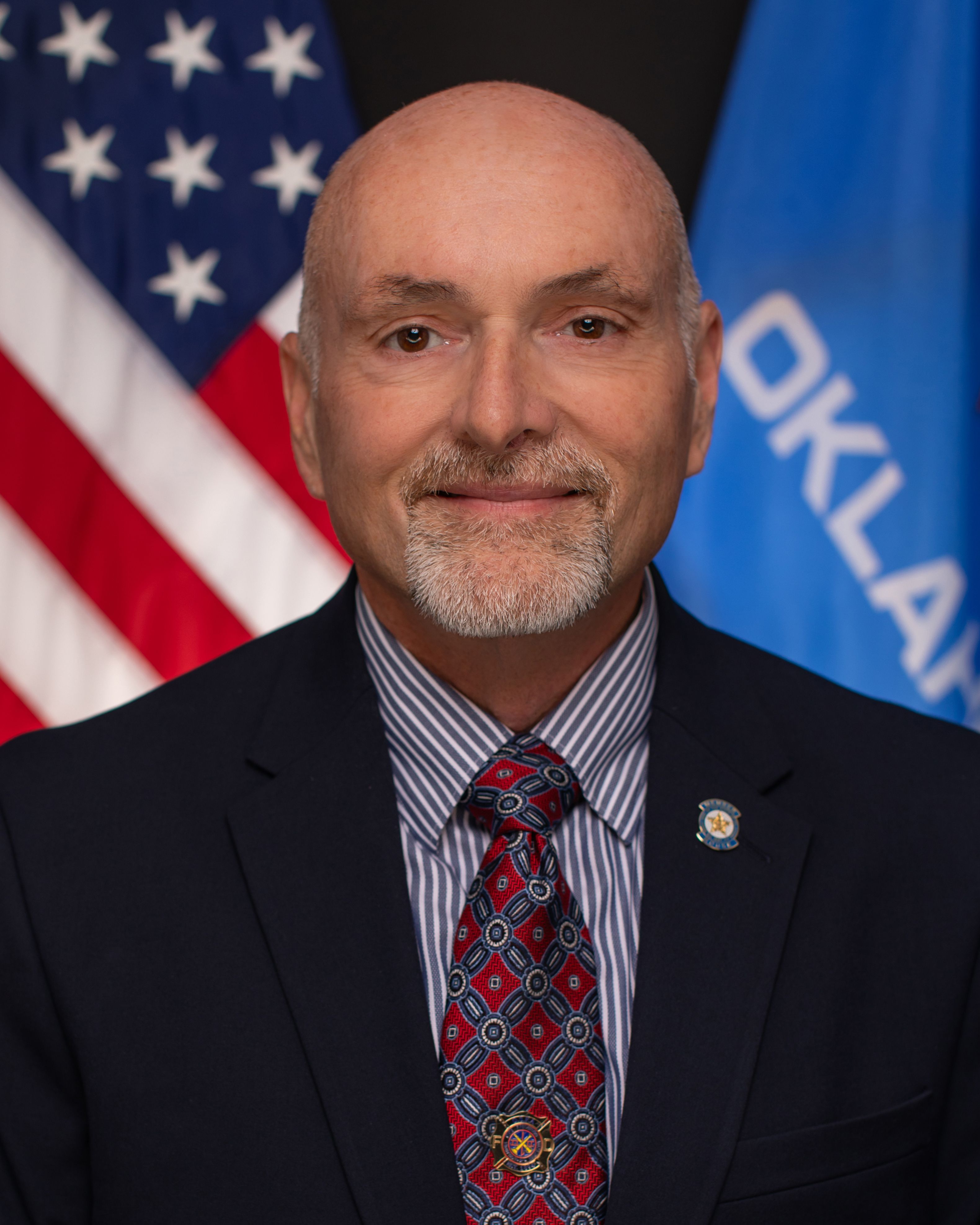
SB 1175 amends Oklahoma law to clarify the Director of the Office of Management and Enterprise Services' role in processing state agency claims and payrolls. It authorizes the Director to establish electronic systems and forms for agencies to file claims against multiple fund accounts, requiring approval after audit. The bill also mandates detailed payroll records showing total earnings, withholdings, and net pay for state employees, allowing withholdings to be reserved for lump-sum payments. This procedural bill affects state agencies' internal financial operations and takes effect immediately due to an emergency declaration.
SB 1167 provides $100,000 in state funds from the General Revenue Fund to Oklahoma's Supreme Court for the 2025-2026 fiscal year to support its legal duties. The funding is intended to cover necessary operational expenses required by law, with no specific new programs or policies created. An emergency declaration ensures the appropriation takes effect immediately upon approval, bypassing standard implementation timelines. This is a straightforward funding measure directly affecting the Supreme Court's budget.
SB 1166 appropriates $100,000 from Oklahoma's General Revenue Fund to the Supreme Court for the 2025-2026 fiscal year to help it carry out its legal duties. The funds are intended to cover necessary expenses related to the Court's operations as required by existing law. The bill declares an emergency to allow immediate implementation upon approval, bypassing standard waiting periods. This is a straightforward funding measure with no new policy provisions or direct impact on the public beyond supporting the Court's existing responsibilities.
SB 1164 appropriates $100,000 from the state general fund to Oklahoma's Department of Public Safety for the 2025-2026 fiscal year to support its existing legal duties. The bill declares an emergency to allow immediate funding for public safety needs, though it does not specify new programs or services. This is a routine budget allocation for an existing state agency, not a policy change affecting residents directly. The funds will be used as needed by the Department of Public Safety to carry out its current responsibilities. The bill was introduced on March 31, 2025, and referred to the Appropriations Committee.
SB 1161 allocates $100,000 from Oklahoma's General Revenue Fund to the Department of Corrections for the 2026 fiscal year. This funding supports the department's existing legal responsibilities, such as managing correctional facilities and staff operations. The bill declares an emergency to allow immediate use of these funds upon approval, bypassing standard budget timelines. It provides specific financial support for current Department of Corrections duties without creating new programs or altering existing laws.
SB 1530 requires the Oklahoma Department of Commerce to verify that businesses claiming research and development rebates actually conducted eligible research within Oklahoma. It affects companies seeking rebates equal to 5% of their qualified research expenses, with a $20 million annual cap on total payments. The bill mandates that businesses submit applications and documentation for verification before receiving rebates, and if funds are insufficient, payments are prorated or carried over to future years. This amendment updates existing rules for the Oklahoma Research and Development Rebate Fund, effective July 1, 2026.
HB 3044 amends Oklahoma tax return forms to allow taxpayers to donate a portion of their state income or corporate tax refund to the Oklahoma Department of Veterans Affairs (ODVA). These donations directly fund ODVA's equipment purchases and capital improvement projects, such as facility upgrades and new construction. The bill creates a dedicated "Capital Improvement Program Revolving Fund" to manage these donations, which can be invested and used for veterans' facility needs without annual budget restrictions. It reauthorizes this existing donation mechanism, effective November 1, 2026, and includes a three-year refund process for taxpayers who donate in error.
HB 3704 directs Oklahoma to participate in a federal income tax credit program allowing individuals to claim a credit for donations to scholarship granting organizations (SGOs). The bill requires the Governor to certify Oklahoma's participation to the U.S. Treasury and designates the Oklahoma Tax Commission to register SGOs, maintain their lists, and handle federal reporting. This enables Oklahoma taxpayers to claim the federal credit for qualifying donations, while coordinating with Oklahoma's existing state tax credit for SGO contributions. The law takes effect July 1, 2026, and remains in place until changed by law or federal policy.
HB 3595 creates a permanent "Safer Counties Revolving Fund" within Oklahoma's State Treasury, managed by the Department of Public Safety. This fund, financed by existing legislative appropriations to the Department, provides grants to all Oklahoma counties to purchase public safety and traffic barrier equipment. Counties must use these funds solely for public safety purposes and cannot divert them to other uses. The fund operates without annual budget restrictions, allowing ongoing disbursements for safety equipment purchases.
SB 1990 modifies how Oklahoma evaluates business incentive programs (like tax breaks or grants) by updating the criteria the Incentive Evaluation Commission must use. It requires the Commission to assess whether incentives actually change business behavior, measure their statewide economic impact (including effects on other businesses), and compare results to similar programs in Oklahoma and other states. The bill also mandates that the Commission submit annual reports by December 15 to state leaders, including specific recommendations on whether each incentive should be kept, changed, or eliminated. These reports must be publicly available online and include detailed analysis of each incentive’s cost, effectiveness, and alignment with Oklahoma’s economic goals. The bill directly affects state agencies administering incentives and the Commission, which must now follow these updated evaluation standards.