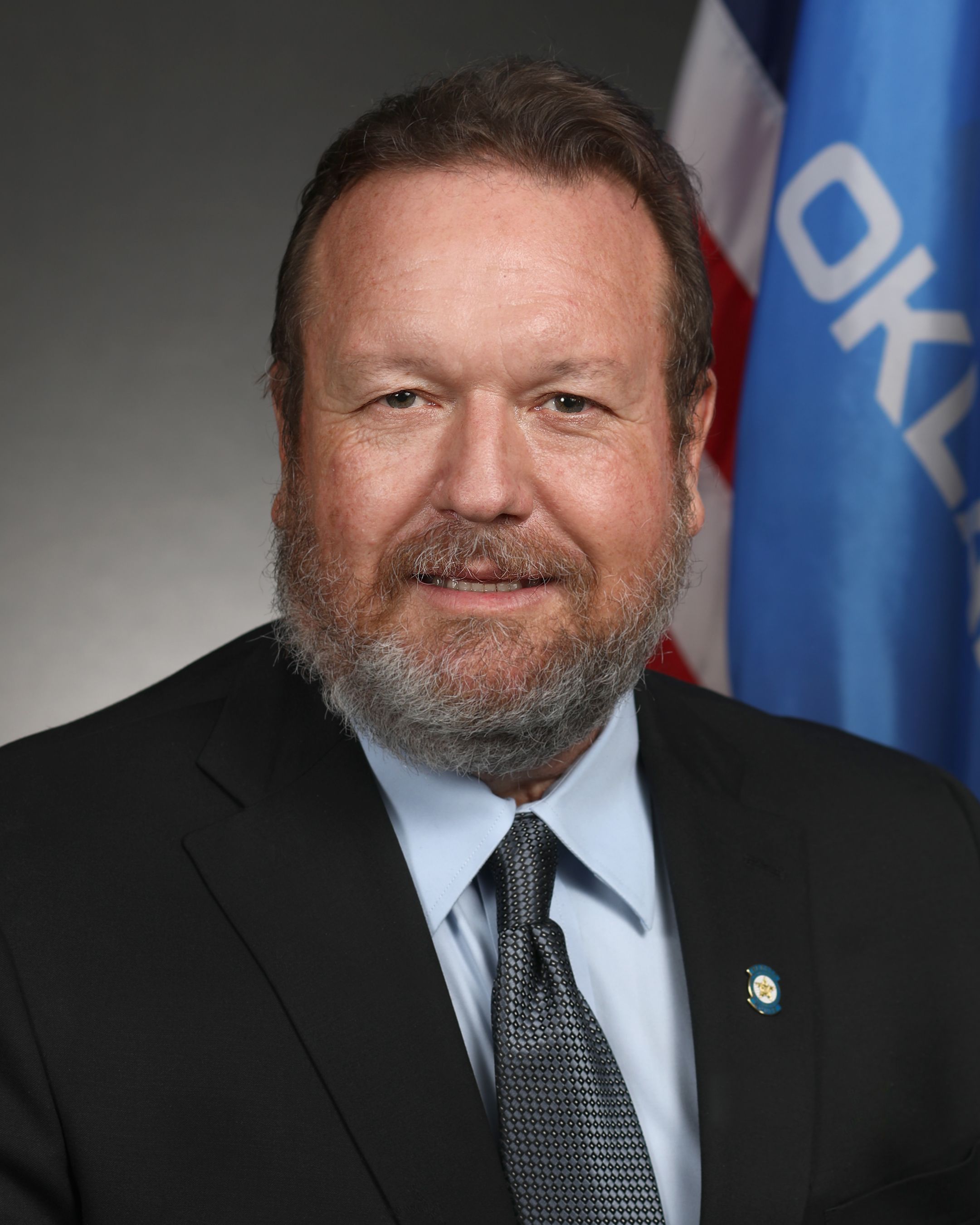
HB 1438 sets a monetary cap of $150,000 to $350,000 per entity per year for grants under Oklahoma's Rural Economic Action Plan program, which funds water quality projects like sewer line repairs, water treatment, and infrastructure improvements. The bill prioritizes small cities (under 1,750 population) and those with weaker fiscal capacity, while restricting eligibility to cities/towns under 7,000 population (based on census data) and unincorporated areas under 7,000. It requires the Oklahoma Water Resources Board to distribute all funds without administrative retention, establish separate accounts for specific economic development districts, and eliminate matching fund requirements for recipients.
This bill amends the Oklahoma Tourism Development Act to increase the cumulative inducement amount that can be provided annually for tourism promotion. It directly affects state agencies responsible for developing and marketing Oklahoma as a travel destination. The key provision allows for a higher annual budget allocation to incentivize tourism growth through financial incentives. The bill became law on May 7, 2025, without requiring the Governor's signature.
SB 600 increases court filing fees in Oklahoma by adding new mandatory assessments to existing civil case fees. It requires an additional $6 for the Law Library Fund, $25 for the Court Information System, $5-$10 for court-appointed child advocates (OCASA), and $2 split between judicial complaint and interpreter services funds. These new fees apply to all civil court filings, including common cases like divorce ($183 base fee) and small claims ($150 base fee), with the exception of those qualifying for fee waivers due to poverty. The bill takes effect November 1, 2025, and includes a temporary $10 fee for court records preservation until November 2027.
HB 1392 increases the fee county treasurers charge for certifying mortgages from $5 to $10 per mortgage. This fee, paid by mortgage borrowers, lenders, or other interested parties, will be deposited into a dedicated "County Treasurer's Mortgage Certification Fee Account" and used solely for operating the treasurer's office. The bill modifies existing mortgage tax rates based on loan term length but focuses the main change on the certification fee increase. It becomes effective November 1, 2025.
SB 37 would have authorized the Oklahoma State Bureau of Investigation (OSBI) to independently respond to mass casualty events caused by violent crime (defined as incidents injuring ≥3 people, requiring unusual emergency resources, and causing a sudden surge of casualties) without needing a local law enforcement request. It created a "Mass Casualty Revolving Fund" in the state treasury to cover OSBI costs for these investigations, funded by state appropriations, federal grants, or other designated sources. The fund would allow ongoing, unrestricted spending for OSBI's role in coordinating with local agencies during such events. This bill was vetoed by the Governor on May 5, 2025, so it did not become law.
HB 1243 creates the Oklahoma National Guard CareerTech Assistance Program, providing tuition assistance to eligible Oklahoma National Guard members enrolled in state technology center programs that lead to certification or licensure. The program covers tuition costs (up to a three-year limit) for members who agree to remain in service for 24 months after completing their training and maintain academic requirements like a 2.0 GPA. Members who fail to meet service or academic obligations must repay assistance calculated as a monthly amount based on the total assistance received, though hardship waivers are available. The program is funded through a new revolving fund in the state treasury, supported by annual state appropriations, and administered by the State Board of Career and Technology Education.
HB 1201 creates a 70% tax credit for Oklahoma taxpayers who donate to certified pregnancy resource centers, capping the credit at $50,000 per donor annually. To qualify, centers must provide free, non-abortion services (like prenatal care and counseling) without performing or referring for abortions, and must be certified by the state health director. The total annual tax credits for all donors are capped at $5 million, with annual adjustments to prevent exceeding this limit. The credit applies to donations of $100 or more and takes effect January 1, 2026.
HB 2590 requires Oklahoma's Office of Management and Enterprise Services to create a standardized form for state agencies evaluating vendors managing federal funds. This form must include specific vendor details like legal name, incorporation jurisdiction, principal officers' names, prior federal fund management experience, recent financial audits, and pending lawsuits. It directly affects state agencies contracting with external vendors for federal fund management. The bill mandates this form be used starting July 1, 2025, to standardize vendor vetting processes.
HB 2407 creates a $2 million revolving fund in the Oklahoma State Treasury, managed by the Department of Commerce, to provide grants for qualifying Main Street programs. To receive funding, a Main Street must first be designated by Oklahoma's Main Street Program, maintain that designation, and submit annual proof of eligibility. The grant funds, appropriated from the General Revenue Fund for fiscal year 2026, may be used for operational costs but cannot be relied upon for ongoing operations. The bill requires reallocation of unclaimed funds if a recipient loses their Main Street designation, effective July 1, 2025.
HB 1433 re-creates a revolving fund to support municipal audits conducted by Oklahoma's Special Investigative Unit. The bill specifies funding sources for this fund and sets an effective date of July 1, 2025, with an emergency clause allowing immediate implementation upon approval. It directly affects Oklahoma municipalities requiring audit services and the Special Investigative Unit's operational budget. The bill's core mechanism is establishing this dedicated funding stream to ensure consistent audit capacity for local governments. (Note: The provided context lacks detailed policy provisions beyond the title, effective date, and fund structure.)