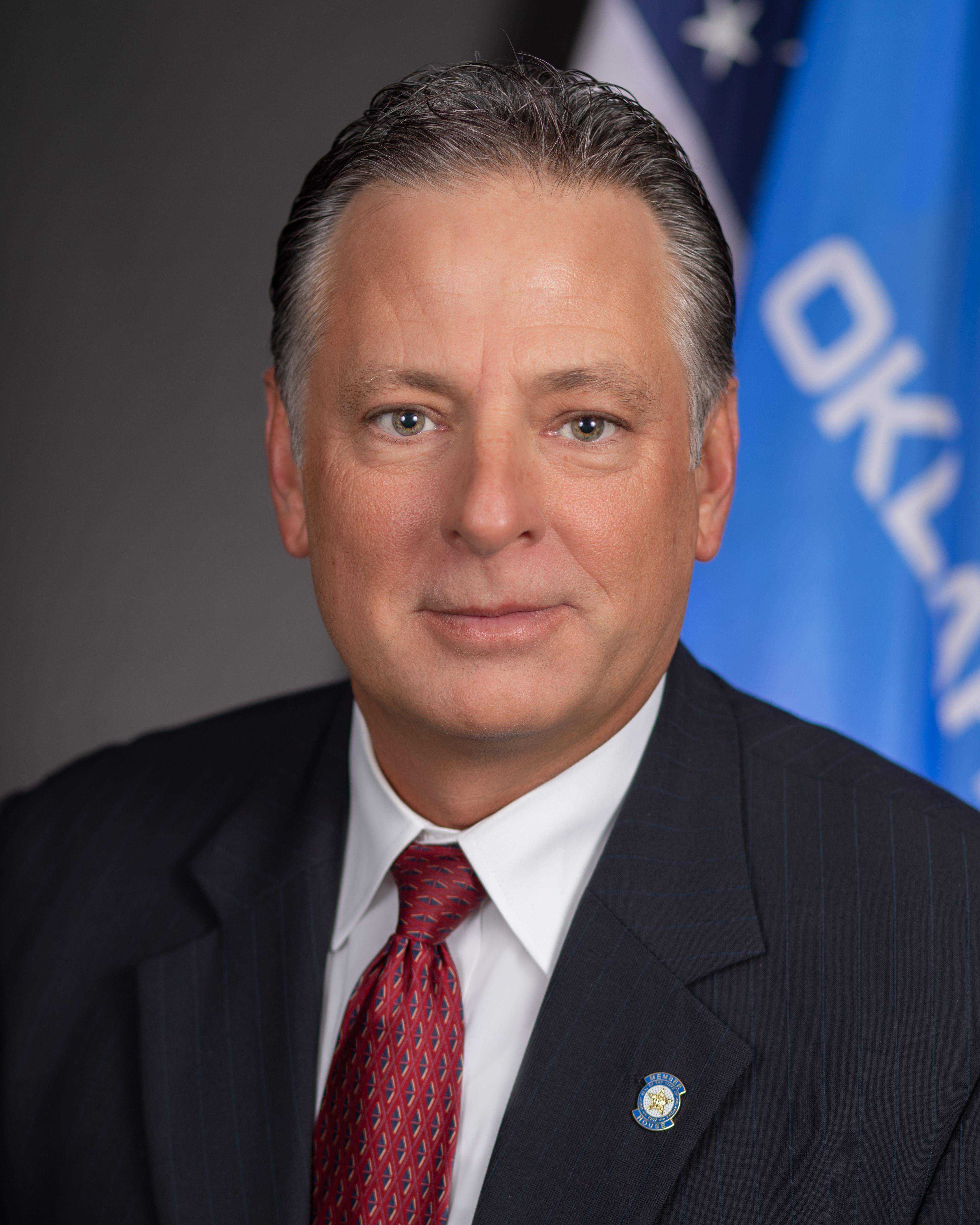
HB 3976 establishes a grant program under Oklahoma's State Department of Health to help rural and small hospitals open new facilities or keep existing ones open by funding infrastructure, equipment, or technology needs. Hospitals applying must contribute at least 20% of project costs through cash or in-kind donations. The program will be funded through a new revolving fund in the state treasury, which replenishes itself and can be used continuously without annual budget limits.
This bill proposes a constitutional amendment (HJR 1081) that would eliminate the income requirement for Oklahoma seniors to qualify for a property tax limit on their homesteads. Currently, seniors aged 65+ must meet an income threshold based on HUD median income for their area; this amendment removes that requirement while keeping the age, 7-year occupancy, and $700,000 property value cap. It would apply only to homesteads valued at $700,000 or less, with the tax limit frozen at the value when the owner turned 65 (or January 1, 1997, for those already eligible before 1997). The change requires voter approval via a ballot measure.
HB 4178 amends Oklahoma's sales tax code to add new exemptions for specific public entities and activities. It creates a new exemption allowing sales tax-free admission ticket surcharges used solely to repay debt for constructing athletic facilities, theaters, or cultural venues at public universities. The bill also expands existing exemptions for sales to certain public trusts, county fairs, educational institutions, and public authorities carrying out construction contracts. These changes directly affect state universities, local government entities, and fair authorities by reducing their taxable purchases. The policy focuses on clarifying and broadening tax relief for public infrastructure projects and nonprofit activities.
HB 4285 creates a dedicated revolving fund called the "Perinatal Quality Improvement Revolving Fund" within Oklahoma's State Treasury. The fund will receive state and federal appropriations, donations, and grants to support the Oklahoma Department of Health in reducing preventable maternal and infant deaths and health complications. It allows the Department to collaborate with research groups across Oklahoma to improve maternal safety and health outcomes using these pooled resources. The fund is designed as a continuous funding source, not limited to annual budgets, to sustain long-term quality improvement efforts in perinatal care. The bill takes effect on July 1, 2026.
HB 2967 amends Oklahoma's motor vehicle excise tax rules, affecting vehicle owners during transfers of ownership or first registration. It sets a 4.5% tax on off-road all-terrain vehicles, motorcycles, and utility vehicles (with a $5 minimum), and establishes tiered rates for used vehicles based on value and registration year. The bill also creates a $10 tax for heavy trucks, trailers, and frac tanks used for highway cargo, while exempting pickup trucks and commercial vehicles from this tax in lieu of sales/use taxes. Additionally, it allows a credit for excise tax paid on new vehicles replaced due to theft or defects within specific timeframes.
HB 4280 increases annual funding for Oklahoma's Rebuilding Oklahoma Access and Driver Safety Fund (ROADS Fund) to support road and bridge construction and maintenance. It sets specific annual funding levels: $575 million for fiscal year 2021, $590 million for 2022, $610 million for 2025, and $670 million starting in 2026. The bill requires the Department of Transportation to use these funds first for debt payments on highway obligations, then for road/bridge construction, maintenance, and matching federal funds. The legislation directly affects Oklahoma's highway infrastructure and the DOT's budget allocation process, with funding adjustments triggered by revenue shortfalls.
HB 1242 modifies Oklahoma's agricultural sales tax exemptions to clarify which farm-related purchases qualify for tax relief. It specifically exempts direct sales of farm products (like produce and dairy) to consumers, livestock sales (including cervidae like deer), feed, fertilizer, and farm equipment used in production. The bill requires purchasers to provide written certification confirming items will be used for agricultural purposes, with penalties for false certifications. This affects Oklahoma farmers, ranchers, and agricultural businesses purchasing qualifying goods, ensuring tax exemptions align with actual farm operations.
HB 2952 changes how Oklahoma calculates the tax on new vehicle purchases by requiring the motor vehicle excise tax to be based on the sales price minus any trade-in value. This directly affects vehicle buyers who use trade-ins, as the adjusted price (after subtracting trade-in credits) must now appear on the bill of sale. The bill mandates that sellers document this reduced value on the bill of sale or a prescribed form, rather than using the full sales price. It takes effect on July 1, 2026.
HB 3314 allows Oklahoma counties to impose a local tax of up to 15% on retail marijuana sales (not personal cultivation) after voter approval. Counties must hold a special election or use an initiative petition (requiring 5% of registered voters' signatures) to approve the tax, with results requiring a majority vote. Funds collected must be used exclusively for public safety (sheriffs, police, fire departments) and property improvements, and counties must specify the tax's purpose and duration to voters. The Oklahoma Tax Commission will handle tax collection for a 0.5% fee, and counties must provide 60 days' notice before rate changes. The bill takes effect November 1, 2026.
HB 2973 requires all Oklahoma public school districts to report how they spend state-appropriated funds using a specific data code in the Oklahoma Cost Accounting System, starting with the 2026-2027 school year. This applies only to state funds, not other funding sources, and the State Board of Education must establish the required data code. The bill takes effect July 1, 2026, and was declared an emergency to allow immediate implementation. It directly affects school districts by mandating a new reporting structure for state education funding.