

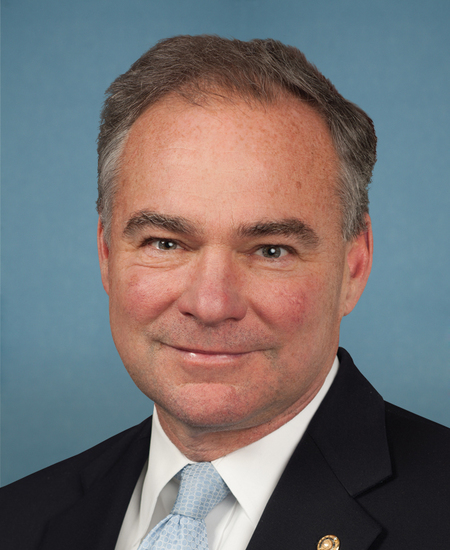
Maddy summarySRES 624 is a symbolic Senate resolution designating the week of March 2-6, 2026, as "National Social and Emotional Learning Week." It recognizes the role of social and emotional learning (SEL) in supporting students' academic success, well-being, and long-term outcomes, citing research on SEL's benefits. The resolution does not create new laws or funding but encourages federal agencies to advance SEL initiatives. It directly affects no specific group, as it is a non-binding expression of support. The resolution was introduced by Senators Durbin, Kaine, Van Hollen, and others.
Sponsored bills
Maddy summaryThe Smarter Sentencing Act of 2026 reduces mandatory minimum prison sentences for certain federal drug offenses involving couriers who only transport or store drugs or money. Under the bill, couriers face reduced minimum sentences of 5 years instead of 10 years for major drug offenses, and 2 years instead of 5 years for lesser offenses, while maintaining longer sentences for repeat offenders or those with serious prior convictions. The law applies to cases sentenced after enactment and allows courts to reduce sentences for past cases upon motion. The bill also directs the Sentencing Commission to update sentencing guidelines within 120 days and requires the Attorney General to report on how cost savings from reduced sentences will be used to address prison overcrowding and improve law enforcement spending.
Maddy summaryThis bill would transition Puerto Rico from its current nutrition assistance block grant system to the federal Supplemental Nutrition Assistance Program (SNAP), aligning it with how other U.S. states receive food aid. The legislation requires Puerto Rico to submit an operational plan within 180 days, with the Department of Agriculture providing technical assistance and approval or feedback on the plan. During a five-year transition period, Puerto Rico would continue receiving consolidated block grant funds while gradually shifting to SNAP, with annual reports tracking funding adjustments needed for the change. Once the transition is complete, Puerto Rico would be formally recognized as a state for SNAP purposes and would receive funding based on the same cost-of-living adjustments applied to other states.
Maddy summaryThis resolution designates February 21-28, 2026, as "National FFA Week" to honor the National FFA Organization’s work in agricultural education. It recognizes FFA’s role in developing leadership and career skills for students (with over 1 million members nationally) and celebrates the 50th anniversary of Alaska’s State FFA Association, which has 19 chapters and 493 members. As a symbolic resolution, it has no legal effect but formally expresses Senate support for FFA’s mission.
Maddy summaryThis resolution (SRES 617) designates February 2026 as "Career and Technical Education (CTE) Month" to symbolically recognize CTE programs nationwide. It supports CTE's role in preparing students for high-demand careers by promoting workforce readiness through academic and technical skills training. The resolution encourages educators, counselors, parents, and school administrators to advocate for CTE as a valid educational pathway. As a non-binding Senate resolution, it does not create new laws or allocate funds but affirms bipartisan support for CTE's importance in workforce development.
Maddy summarySRES 618 is a Senate resolution recognizing the vital role of career and technical education (CTE) educators and work-based learning coordinators in preparing students for careers, classrooms, and life. It highlights that these professionals deliver hands-on skills training, support workforce pipelines in critical economic sectors, and address persistent shortages in CTE staffing (reported in 25 states for the 2025-2026 school year). The resolution formally commends CTE educators and coordinators for their contributions and emphasizes that improving their wages, benefits, and working conditions would help reduce staffing gaps. It does not create new programs or funding but serves as a symbolic endorsement of CTE’s importance to U.S. economic competitiveness.
Maddy summarySRES 621 designates the week of February 23-27, 2026, as "National Public Schools Week" to recognize the role of public schools in U.S. education. The resolution highlights public schools' importance in fostering inclusive learning environments and preparing students for civic and economic participation, citing that 87% of U.S. children attend public schools. It does not create new laws, funding, or policy changes - it is a symbolic gesture by the Senate without binding effect. The resolution aligns with broader efforts to support public education but focuses solely on commemoration.
Maddy summaryThis bill, titled the Housing Tariff Exclusion Act, creates a formal process for U.S. companies to request that certain building materials used in home construction be exempt from specific tariffs. The legislation requires the Secretary of Commerce to establish a system where entities can apply for duty exclusions on products classified as critical homebuilding materials or other items whose tariffs would increase home construction costs. The bill mandates that exclusion requests for critical products be decided within 15 days and other requests within 60 days, with results published online and quarterly reports submitted to Congress. Additionally, it allows for retroactive refunds on duties paid for entries made before exclusions were issued, provided requests are filed within 180 days of the exclusion decision.
Maddy summaryThis bill amends the Community Development Banking and Financial Institutions Act of 1994 to require the Treasury Secretary to testify annually before Congress about the Fund's operations. It also strengthens the CDFI Bond Guarantee Program by adjusting guarantee limits and extending the program's authorization period. Additionally, the bill expands capital assistance options for community development financial institutions and creates a new lending program specifically for Native community development financial institutions to support homeownership in Tribal and Native communities.
Maddy summaryThis bill reauthorizes the Chesapeake Bay Office of the National Oceanic and Atmospheric Administration (NOAA) and establishes its role as the primary NOAA representative in the Chesapeake Bay watershed. The legislation creates a new Director position with expertise in Chesapeake Bay research and resource management, and expands the office's responsibilities to include coastal hazards, climate change, and education initiatives. Key provisions authorize programs for scientific peer review, coastal observing systems, education and training grants, and habitat restoration projects focused on oysters, blue crabs, and other living marine resources. The bill also requires biennial reports to Congress on the office's activities and progress in protecting and restoring the Chesapeake Bay ecosystem.