

Maddy summaryThe National Veterans Strategy Act of 2026 requires the President to establish measurable metrics for veteran well-being - covering health, employment, education, and social engagement - and develop a national strategy every four years to align federal, state, local, nonprofit, and private sector efforts toward improving veteran outcomes. This strategy must be developed with input from veterans, government agencies, and stakeholders like veterans' organizations and businesses, and it will guide how benefits and services are delivered to address gaps in veteran success. The bill mandates annual reports to Congress tracking progress, spending, and barriers, with a requirement for the President to update the strategy every four years based on public input and evaluation. It directly affects all veterans by creating a coordinated framework for service delivery, though specific benefits or programs are not defined by the bill itself.
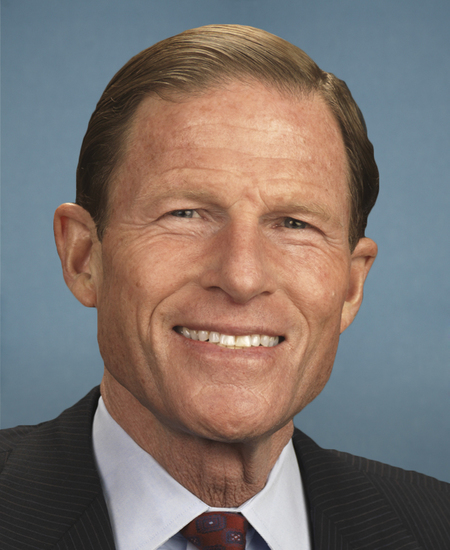
Sen. Richard Blumenthal
Sponsored bills
Maddy summaryS 3395, the Mammography Access for Veterans Act of 2025, permanently expands telehealth mammography services for veterans by ending the previous pilot program restrictions. It requires the Department of Veterans Affairs to provide at least one mammography option - full-service, tele-screening, or mobile - in every state and Puerto Rico within two years. All programs must comply with accessibility standards for veterans with paralysis, spinal cord injuries, or other disabilities. This directly affects veterans needing breast cancer screenings, particularly those in rural areas or with mobility challenges.
Maddy summaryThis bill modernizes the Veterans Affairs appeals process for benefit claims. It requires veterans to submit evidence within 90 days of a notice of disagreement (for both hearing and non-hearing cases), limits evidence considered beyond that timeframe, and adds flexibility for veterans to withdraw appeals or switch case tracking systems without losing progress. The bill also mandates clearer decision notices detailing issues, evidence considered, and reasons for denials, and requires the VA to create an integrated system for processing appeals across agencies. Finally, it establishes annual reports on appeal outcomes and directs third-party reviews to improve decision quality and reduce remands.
Maddy summaryThis bill (S 3098, Presumptive CLARITY Act of 2025) requires the Department of Veterans Affairs (VA) to publish a public website listing conditions and veteran groups the VA is considering for "presumptive service connection" related to toxic exposure during military service. It mandates the VA to detail the decision process, current status of each condition/cohort, and how the public can submit comments. This directly affects veterans seeking disability benefits for health issues linked to military toxic exposure (like burn pits or Agent Orange). The VA must begin publishing this information within 180 days of the bill becoming law.
Maddy summaryThis bill requires the Department of Veterans Affairs (VA) to identify and report fraud in disability benefit claims, directly affecting VA claim processors and veterans who submit disability forms. Key provisions include establishing a process for VA staff to flag suspicious forms, conducting regular audits of all submitted forms, and informing applicants if their forms raise fraud concerns. The VA must report suspected fraud to investigators like the Inspector General, but cannot change benefit decisions based solely on an investigation - only if fraud is proven in court. The VA must also submit annual reports to Congress on these efforts. (Bill: S 3000, "FRAUD in VA Disability Exams Act of 2025")
Maddy summaryThis Senate resolution formally welcomes King Charles III and Queen Camilla to the United States for a state visit where the King will address a joint session of Congress. The document highlights the long-standing diplomatic and security partnership between the two nations, noting shared values and cooperation on issues like defense and technology. It also marks the occasion as the first time a British monarch has addressed Congress since 1991, coinciding with the 250th anniversary of American independence.
Maddy summaryThe NOPE Act of 2026 expands the congressional review process for U.S. sanctions targeting Russia, specifically including new executive orders and energy-related actions involving Russian crude oil, petroleum products, natural gas, and other energy goods. Under this bill, Congress must review these specific energy sanctions until the Secretary of State certifies that Russia has ended its war in Ukraine and committed to a just peace settlement that compensates Ukraine for war damages. The legislation also creates an exception allowing the government to permit certain energy shipments during the initial review period if they are necessary for crew safety, emergency repairs, environmental protection, or to mitigate economic impacts in foreign countries.
Maddy summaryThe Protecting America's Workers Act expands workplace safety protections by including public employees and voluntary emergency responders under federal safety laws, while also strengthening whistleblower safeguards against retaliation. Key provisions require employers to report serious work-related injuries and deaths, mandate the posting of employee rights, and establish a process for victims and families to participate in enforcement proceedings. The bill also increases civil and criminal penalties for safety violations, improves oversight of state safety plans, and authorizes additional funding for training and hazard evaluations.
Maddy summaryThe Investing in the American Dream Act expands eligibility for Small Business Administration loans to include businesses owned by certain immigrants, such as refugees, asylees, and individuals with deferred action. To qualify, these businesses must be located in the United States and at least 51 percent owned and controlled by U.S. citizens or nationals of the United States. The law explicitly states that businesses meeting these ownership and location requirements cannot be denied loans solely because they are owned by eligible immigrants. Additionally, the bill clarifies that it does not grant the SBA authority to increase the 51 percent ownership threshold for any type of loan.
Maddy summaryThis bill proposes a new amendment to the U.S. Constitution that would establish voting as a fundamental right for all citizens of legal voting age. It requires any government denial of this right to be narrowly tailored to serve a compelling interest, while also repealing specific language from the 14th Amendment related to voting rights. The amendment would grant Congress the authority to pass laws enforcing these protections against any denial or abridgment of the right to vote.