

Maddy summaryThis Senate resolution expresses the non-binding opinion that federal laws regarding medication abortion should rely on scientific evidence rather than political influence. It specifically calls for the FDA to maintain its approval of mifepristone, a drug proven safe and effective over 25 years, and to allow patients to access it through telemedicine or mail-order pharmacies. The measure highlights that current restrictions disproportionately harm marginalized communities, including people of color, low-income individuals, and those in rural areas. By stating these points, the resolution aims to encourage policymakers to ensure equitable and transparent access to abortion care based on medical consensus.
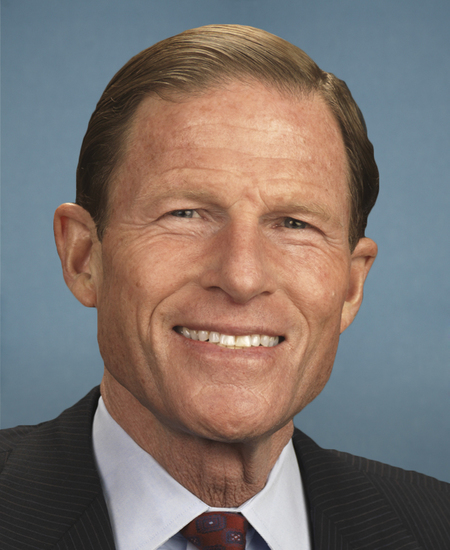
Sen. Richard Blumenthal
Sponsored bills
Maddy summaryThe Scientific Integrity Act requires federal agencies that fund, conduct, or oversee research to create and enforce policies ensuring that scientific work remains free from political influence and misconduct. These policies must explicitly prohibit actions such as suppressing data, altering findings, or retaliating against individuals who share research results, while also guaranteeing employees the right to publish their work and participate in professional organizations. To oversee these rules, each agency must appoint a career Scientific Integrity Officer, provide regular ethics training to staff, and publicly report on complaints and policy changes. Additionally, the law mandates that personnel decisions and scientific conclusions be based on expertise and established scientific processes rather than ideology, with periodic reviews to ensure compliance.
Maddy summaryThe Extinction Prevention Act of 2026 establishes four separate conservation funds to provide financial assistance for protecting specific species of butterflies, plants, freshwater mussels, and desert fish. The Department of the Interior will manage these funds by issuing competitive grants to eligible applicants, such as state agencies, nonprofits, and research institutions, while prohibiting federal agencies from being the primary recipients of funding. Each fund is authorized to receive $5 million annually from 2027 through 2032 and includes provisions for accepting donations, investing earnings, and requiring annual reports to Congress on project progress and species status. The legislation prioritizes projects that focus on threatened or endangered species and those designed for long-term sustainability, with a requirement for local community consultation and support.
Maddy summaryThe Reproductive Health Care Accessibility Act aims to improve access to reproductive health services for individuals with disabilities by addressing barriers such as inaccessible facilities and a lack of provider training. The bill creates several new funding programs to train medical professionals on disability-specific needs, recruit more disabled students into reproductive health careers, and provide accessible educational materials to patients. It authorizes millions of dollars in grants over five years to support these workforce development initiatives and establishes a national center to offer technical assistance on accessible care standards. Additionally, the legislation funds a study to identify effective programs and coordinate efforts across federal, state, and local agencies to ensure equitable health outcomes.
Maddy summaryThe Strength in Diversity Act of 2026 creates a competitive grant program for school districts and state agencies to develop and implement plans that increase racial and socioeconomic diversity in public schools. To receive funding, eligible entities must submit detailed applications outlining how they will reduce isolation in schools, engage with communities, and improve academic outcomes for all students. The bill authorizes the use of funds for activities such as redrawing school boundaries, revising student assignment methods, recruiting diverse staff, and creating transportation plans to encourage attendance across different neighborhoods. Grants are awarded based on the quality of the proposed plan and its potential to meaningfully decrease segregation while maintaining high academic standards.
Maddy summaryThe Universal School Meals Program Act of 2026 mandates that all children enrolled in participating schools receive free breakfast and free lunch, eliminating previous income-based eligibility requirements. The bill establishes specific funding rates for these meals, adjusts them annually for inflation, and requires states to disburse funds directly to selected schools. Additionally, the legislation prohibits schools from collecting unpaid meal debts from parents and forbids practices like segregating students or publicly identifying those who cannot pay. The act also expands summer food programs to include all children, updates poverty measurement standards for federal data, and extends free lunch eligibility to incarcerated juveniles in eligible detention centers.
Maddy summaryThis joint resolution seeks to overturn a Bureau of Consumer Financial Protection rule that would remove protections for digital marketing providers. The bill directly affects companies that market financial products online by restoring previous restrictions on how they can target consumers. If passed, the resolution would nullify the agency's decision to withdraw the "time or space" exception, which previously limited how long and where digital marketers could display certain financial advertisements. The measure uses Congress's legislative veto power to block the regulatory change without requiring new legislation.
Maddy summaryThe Full-Service Community School Expansion Act of 2026 authorizes billions of dollars in federal funding to expand a program that transforms public schools into community hubs offering integrated student supports, expanded learning time, and active family engagement. This legislation primarily affects local educational agencies, schools serving high-poverty populations, and eligible entities such as school districts, tribes, and nonprofits that apply for grants to implement or expand these school models. Key provisions establish new roles like community school coordinators and directors, mandate the creation of diverse leadership teams including parents and community members, and require schools to provide services such as health care, housing assistance, and after-school programs. The bill also updates definitions within the Elementary and Secondary Education Act to clarify eligibility criteria and outlines specific reporting requirements to track student outcomes and program effectiveness.
American Cures Act This bill permanently funds several federal agencies and programs that perform biomedical research. The bill provides specified funding for the National Institutes of Health, the Centers for Disease Control and Prevention, the Department of Defense health program, and the Department of Veterans Affairs medical and prosthetics research program. The bill exempts the funding from sequestration, which is a process of automatic, usually across-the-board spending reductions under which budgetary resources are permanently cancelled to enforce specific budget policy goals. It also exempts the budgetary effects of the funding from the Statutory Pay-As-You-Go (PAYGO) Act of 2010 and the Senate PAYGO rule.
Maddy summaryThis Senate resolution formally acknowledges the contributions of teachers to the United States and thanks them for their dedication. It encourages students, parents, and public officials to recognize National Teacher Appreciation Week.