

Maddy summaryThis bill amends the Immigration and Nationality Act to add new grounds for deporting non-citizens. It makes any non-citizen deportable if they have been convicted of a felony or two misdemeanors (under either state or federal law) after entering the United States. The key provision expands deportation eligibility beyond previous standards by explicitly including state misdemeanor convictions alongside federal offenses. This change directly affects non-citizens with specific criminal records, potentially increasing deportation risks for those with certain convictions. The policy alters the legal standard for removal but does not change sentencing or enforcement procedures.
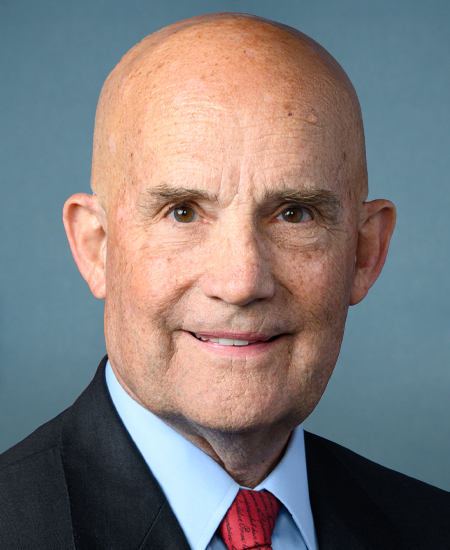
Rep. Keith Self
Sponsored bills
Maddy summaryHRES 866 is a non-binding House resolution condemning the systematic persecution of Christians in Nigeria by groups like Boko Haram and Fulani militants, and criticizing Nigeria's government for failing to protect Christian communities or acknowledge the violence. It calls on the U.S. government to support President Trump in using diplomatic, economic, and security tools to pressure Nigeria to end impunity for attacks, protect Christians, return displaced persons, and repeal blasphemy laws. The resolution specifically demands action against religiously motivated violence, including the release of those imprisoned for their faith, and urges coordination with international partners for humanitarian aid. It does not create new laws but expresses congressional support for U.S. policy actions targeting Nigeria's religious freedom violations.
Maddy summaryThis bill requires the Government Accountability Office (GAO) to study foreign government programs that may help U.S. individuals avoid taxes through remittance transfers. The GAO must identify such programs, determine if they bypass U.S. tax or reporting laws, and analyze their financial scale and policy impact. Within 180 days of enactment, the GAO must submit a report to Congress with findings and recommendations for potential enforcement or regulatory actions. The bill itself does not change tax laws or impose new requirements but mandates this study to inform future policy decisions.
Maddy summaryHR 5979, the Immigration Document Delivery Accountability Act of 2025, requires U.S. Citizenship and Immigration Services (USCIS) to implement a tracking system for immigration documents mailed by the U.S. Postal Service. Within 180 days of the law’s passage, USCIS must mandate either a USPS barcode for document tracking or a recipient signature requirement for all mailed immigration documents - excluding in-person deliveries. This applies directly to USCIS and the U.S. Postal Service when delivering documents related to an individual’s immigration status. The law aims to create a verifiable record of document delivery to improve accountability.
Maddy summaryThis is a procedural resolution (HRES 860), not a bill with legislative effect. It expresses the U.S. House of Representatives' support for former President Trump's 2020 decision to redesignate Nigeria as a "Country of Particular Concern" (CPC) under religious freedom laws. The resolution commends this action due to documented religious persecution in Nigeria, including violence against Christians and minority religious groups. It does not create new policy or alter U.S. assistance; it solely states congressional support for holding Nigeria accountable for religious freedom violations.
Maddy summaryHRES 858 is a resolution by the U.S. House of Representatives to impeach Chief Judge James E. Boasberg of the U.S. District Court for the District of Columbia. It alleges he abused his authority by issuing "frivolous" nondisclosure orders that prevented Members of Congress from being notified of legal process and covered conservative organizations and individuals. These orders, the resolution claims, violated constitutional protections for Congress and a federal law (2 U.S.C. § 6628) safeguarding Senate communications. The resolution would send the impeachment charge to the U.S. Senate for trial, seeking removal from office.
Maddy summaryHRES 842 is a non-binding resolution expressing the House's support for placing a statue of Charles "Charlie" James Kirk in the Capitol's House wing. It honors Kirk, founder of Turning Point USA and a conservative political figure assassinated in 2025, for his advocacy of free expression, civic engagement, and conservative principles. The resolution directs the House Fine Arts Board to accept the statue and display it permanently by January 2, 2027, though actual placement remains subject to the Board's approval. This is a symbolic gesture to commemorate Kirk's legacy, not a new law with policy impacts.
Maddy summaryThe No Tax Exemptions For Terror Act would deny tax-exempt status under section 501(c)(3) of the Internal Revenue Code to the Council on American-Islamic Relations (CAIR) and any organization determined to have ties to terrorism or terrorist groups. This means these organizations would no longer qualify for federal tax-exempt status, requiring them to pay income taxes on their earnings. The provision applies to taxable years ending after the bill's enactment date. The bill directly affects organizations identified by the government as having connections to terrorism.
Maddy summaryThis bill would prevent anyone holding foreign citizenship from being elected to the U.S. House of Representatives or Senate. It disqualifies candidates who are citizens of any country besides the United States, regardless of their U.S. citizenship status. The law would apply directly to congressional election candidates and would take effect upon the bill's passage.
Maddy summaryThis resolution proposes impeaching Judge Deborah Boardman of the U.S. District Court for the District of Maryland, alleging she violated judicial standards by sentencing Nicholas John Roske - a man who attempted to assassinate Supreme Court Justice Brett Kavanaugh - to eight years (instead of the 30-year recommendation) - based on Roske’s transgender identity. The resolution claims Judge Boardman’s decision, which cited Roske as a "transgender woman" in sentencing, undermined the law and impartiality required of federal judges. It argues this conduct constitutes "high crimes and misdemeanors" by violating the constitutional standard for judicial "good behavior." The resolution is now referred to the House Judiciary Committee for further review.