

Maddy summaryThe Less Bureaucracy, Better Family Engagement Act transfers several federal programs related to family engagement and school safety from the Department of Education to the Department of Health and Human Services. These programs include funding for family engagement initiatives, community support for school success, school safety activities, and ready-to-learn programming grants. The bill mandates that the new department head can delegate these responsibilities to specific staff members while ensuring that the total number of federal employees does not increase. Existing grants, contracts, and legal proceedings involving these programs will continue without interruption during the transition, which is scheduled to take effect six months after the law is passed.
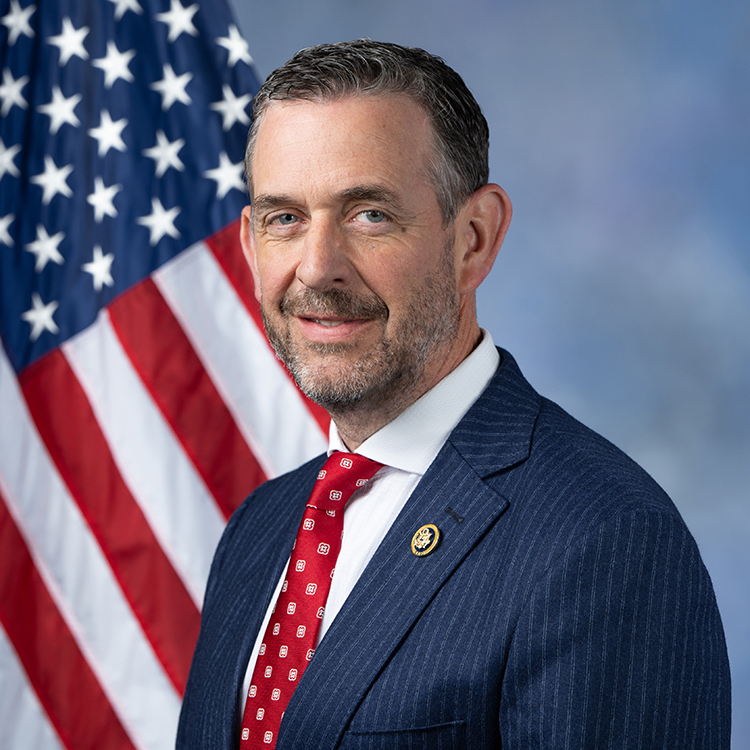
Rep. Michael A. Rulli
Sponsored bills
Maddy summaryThis bill transfers the federal program that provides child care assistance to low-income student parents from the Department of Education to the Department of Health and Human Services. The key mechanism involves moving all related duties, staff, contracts, and funding to the new agency, while ensuring that existing applications and legal cases continue without interruption. An official from the Office of Management and Budget will oversee the transition to ensure no net increase in federal employees and will certify that the transfer is complete. The law takes effect six months after enactment, though the agencies may begin moving resources earlier if they choose.
Maddy summaryThis bill transfers the responsibility for accrediting foreign medical schools from the Department of Education to the Department of Health and Human Services. The key mechanism involves moving all related staff, funds, and legal authority to the new agency, while ensuring that existing accreditation decisions and ongoing legal cases remain valid and unaffected. The Office of Management and Budget will oversee the transition to ensure no net increase in federal employees and will certify that the transfer is completed correctly. The changes are designed to streamline bureaucracy by placing medical education oversight within the department that already handles health-related matters.
Maddy summaryThe Less Bureaucracy, Better Tribal Education Act transfers federal programs and funding for tribal education and job training from the Department of Education to the Department of the Interior. This shift includes specific initiatives such as grants for American Indian and Alaska Native children, language preservation programs, and career and technical education support for Native-serving institutions. The bill also mandates that the Secretary of Education consult with Indian Tribes within six months of enactment before the transfer takes effect one year later. Additionally, the law ensures that existing contracts, grants, and legal proceedings continue without interruption during the transition period.
Maddy summaryThis bill transfers the responsibility for managing disclosures of foreign gifts received by U.S. colleges and universities from the Department of Education to the Department of State. The key mechanism involves moving all related duties, personnel, and funds to the Secretary of State, who will then have the authority to administer these functions under existing laws. To ensure a smooth transition, the Office of Management and Budget is tasked with certifying that the move does not increase the total number of federal employees and that all pending applications and legal proceedings continue without interruption. The changes are designed to centralize oversight of international gift transparency within the foreign affairs department while maintaining the status of existing administrative actions.
Maddy summaryHR 7651, the Chloe Cole Act of 2026, prohibits healthcare providers from performing certain medical interventions on minors under 18 aimed at altering physical development to align with gender identity. These "covered interventions" include puberty blockers, hormone treatments, and specific surgeries, but exclude medically necessary care for conditions like disorders of sexual development or traumatic injuries. The bill creates a federal civil lawsuit right for affected minors or their parents against providers who perform such interventions, allowing claims for damages including emotional distress and punitive awards, with strict liability for providers after the law's enactment. It explicitly allows exceptions for legitimate medical treatments and requires providers to prove such exceptions apply if challenged.
Maddy summaryThis bill requires Medicare Advantage plans to implement electronic pre-approval systems for medical services by 2028 and meet transparency reporting standards starting in 2027. Plans must publicly report data on approval/denial rates, appeal outcomes, response times, and technology use for pre-approval requests, including details on how denials relate to clinical criteria. It establishes a 24-hour response timeframe for certain requests and mandates annual reviews of pre-approval requirements based on data and input from seniors and providers. The law directly affects Medicare Advantage plans, seniors enrolled in these plans, and healthcare providers who submit pre-approval requests. These changes aim to make the pre-approval process faster, more transparent, and more accountable for seniors seeking covered medical services.
Protecting Privacy in Purchases Act This bill prohibits payment card networks from using merchant codes that distinguish firearms retailers from general-merchandise retailers or sporting-goods retailers. The Department of Justice must enforce this bill and report annually on the resulting investigations and cases.
Maddy summaryThe Diesel Engine Flexibility Act establishes a ten-year regulatory stability period for diesel engines used in on-road vehicles, non-road equipment, and heavy-duty trucks. During this time, the Environmental Protection Agency is prohibited from issuing new or stricter emission standards beyond the 2007 and 2010 rules for on-road vehicles, or the Tier 4 rules for non-road engines, unless specific exceptions for repairs or fraud enforcement apply. After the decade concludes, any new regulations must include a five-year delay before taking effect and must consider the financial and operational impacts on vehicle owners and manufacturers. The bill also provides legal protection for manufacturers using specific guidance documents to manage engine performance and monitor fluid quality without facing penalties.
Maddy summaryThis resolution honors the memory of Corey Comperatore, a veteran and volunteer firefighter from Sarver, Pennsylvania, who passed away on July 13, 2024. It formally acknowledges his service to his community and country while mourning his loss as a husband, father, and hero. The House of Representatives is asked to express its condolences and celebrate his life through this commemorative measure.