

Maddy summaryThe STRONG Kids Act establishes a new grant program to support youth sports organizations in improving health outcomes and increasing access to physical activity for children under 18. The Department of Health and Human Services will award competitive grants to national and regional nonprofits, which must then distribute smaller subgrants to local groups for specific initiatives such as coach training, injury prevention, and safety protocols. Eligible recipients can use funds to lower barriers for underserved populations, implement background checks to prevent abuse, and promote positive character development through structured sports programs. The legislation authorizes funding starting in fiscal year 2027 and requires organizations to prioritize youth with limited resources while submitting regular reports to Congress on program effectiveness.
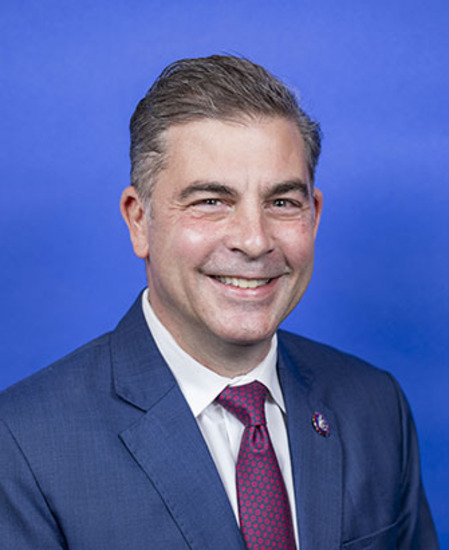
Rep. Mike Carey
Sponsored bills
Maddy summaryThe Anti-Fraud Fund Act of 2026 increases funding for the Health Care Fraud and Abuse Control Account by $7 billion annually from fiscal year 2027 through 2030. This additional money is intended to support the government's efforts in detecting and preventing fraud within the healthcare system. The bill modifies existing laws to ensure these funds are available for the specified period without altering other spending limits.
Maddy summaryThe AADAPT Act reauthorizes and expands Project ECHO grants to improve Alzheimer’s and dementia care through technology-enabled training. It specifically funds grants for healthcare providers in rural, frontier, or medically underserved areas to enhance early diagnosis, quality care, and provider retention for dementia patients. The bill authorizes $1 million annually (2027-2032) for these dementia-focused training programs, requiring funds to supplement - not replace - existing resources. This directly supports primary care providers licensed to serve underserved communities, using collaborative online learning to address care gaps.
Maddy summaryHR 2821, the FDA Modernization Act 3.0, requires the FDA to update regulatory language within one year of enactment. It directs the agency to replace all references to "animal tests" with "nonclinical tests" in 22 specific sections of the Code of Federal Regulations related to drug development and approval processes. The bill also adds a definition for "nonclinical test" into relevant FDA regulations to align with prior legislative changes. This update applies directly to pharmaceutical manufacturers and FDA reviewers who follow these regulatory guidelines during drug development. The changes aim to modernize terminology without altering current testing requirements.
Maddy summaryHR 1266, the Combating Illicit Xylazine Act, adds xylazine - a veterinary sedative increasingly found in illicit drug mixtures - to Schedule III of the Controlled Substances Act, regulating its use and trafficking. It directly affects veterinarians, animal owners, and manufacturers by allowing xylazine to be legally dispensed for animal use under specific veterinary prescriptions, while prohibiting non-veterinary human use. The bill includes transition periods (60 days for practitioners, 1 year for labeling) to ease compliance for manufacturers and practitioners, and requires the DEA and FDA to expedite necessary applications. It also mandates two congressional reports on xylazine's illicit use and trafficking patterns, and directs the Sentencing Commission to review penalties for offenses involving xylazine.
Maddy summaryThe Fertility Cost Relief Act allows individuals to withdraw up to $20,000 from their retirement accounts to pay for fertility treatments without incurring the usual early withdrawal penalty. This provision directly affects people seeking assisted reproductive technologies, such as in vitro fertilization, egg or sperm preservation, and fertility medications, as well as their spouses or domestic partners. The bill defines eligible expenses broadly and sets a lifetime limit on penalty-free withdrawals, with the dollar amount adjusted for inflation after 2026. To use this benefit, the funds must be spent on qualifying treatments within one year of being withdrawn from an eligible retirement plan.
Maddy summaryThe Essential Caregivers Act of 2026 requires nursing homes, long-term care hospitals, rehabilitation facilities, and intermediate care facilities to allow two chosen family members or friends to visit residents during times when regular visitation is suspended. These essential caregivers must agree to follow the facility's existing safety and infection control rules, which are no more restrictive than those applied to staff. While facilities can limit access for the first seven days of a suspension or deny entry if a caregiver shows symptoms of a serious infectious disease, they cannot block visits for end-of-life care. Additionally, the bill mandates that complaints about denied access to essential caregivers be investigated and resolved within three days.
Maddy summaryThe Saving Today's Acute-Care Resources Act modifies how Medicare calculates payment rates for long-term care hospitals to ensure they receive appropriate funding for treating complex patients. Starting in fiscal year 2027, the bill expands the criteria for avoiding payment reductions by adding a "high acuity" standard that considers patients transferred from acute care or critical access hospitals with severe diagnoses. It also updates existing rules to include discharges from long-term care hospitals that have undergone significant construction projects or hold state certificates of need. These changes aim to adjust reimbursement levels based on the severity of patient conditions and the specific history of the hospital treating them.
Maddy summaryThis bill, known as the Voter ID Act, requires voters in federal elections to present a valid photo identification to cast a ballot in person or to mail in their vote. It allows individuals who cannot produce such ID to cast a provisional ballot, provided they later submit the ID or an affidavit explaining a religious objection to being photographed. The law defines acceptable forms of identification to include state-issued driver's licenses, state ID cards, passports, military IDs, and tribal government documents with photos and expiration dates. To assist those who need copies of their ID, the bill mandates that states provide free access to digital imaging devices at various government buildings and establishes a federal grant program to help states and tribes issue identification documents at no cost to eligible residents who cannot afford the fees.
Maddy summaryHR 7184, the PRESS Act, targets equipment used to manufacture illegal drugs by making it unlawful to sell specific items like tableting machines, gelatin capsules, or related chemicals when the seller knows the equipment will be used to produce controlled substances for unlawful U.S. importation. It directly affects manufacturers and distributors of these drug-making tools who have knowledge or reasonable cause to believe their products will facilitate illegal drug trafficking. The bill adds new prohibitions to the Controlled Substances Act and increases potential prison sentences for violations, with penalties reaching up to 20 years for major offenses involving large quantities of equipment or chemicals. These changes aim to disrupt the supply chain for illicit synthetic drugs by holding equipment sellers accountable for their intended use.