

Maddy summaryThe FISH Act of 2025 transfers responsibility for managing migratory fish species (such as salmon that spawn in freshwater and migrate to the ocean, or eels that spawn in the ocean and migrate to freshwater) from the Department of Commerce to the Department of the Interior. It amends the Endangered Species Act to update the "Secretary" reference for these species to the Secretary of the Interior and adds clear definitions for "anadromous" and "catadromous" species. The bill ensures existing permits, decisions, and legal cases involving these fish continue without interruption during the transition. It also allows for reconsideration of certain administrative decisions made by the Commerce Department within three years before the transfer, if requested within one year of the transfer.
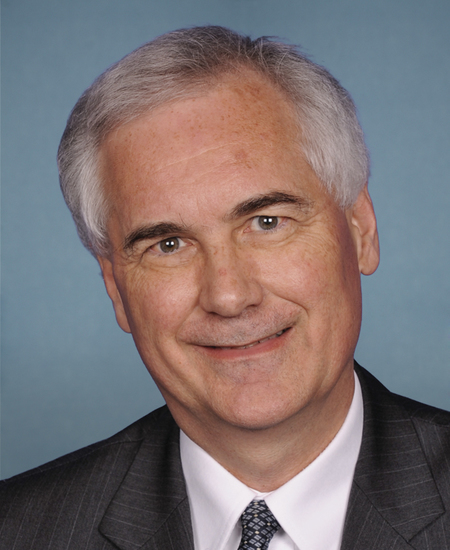
Rep. Tom McClintock
Sponsored bills
Maddy summaryHR 471, the Fix Our Forests Act, establishes a new system for identifying and managing high-risk wildfire areas called "firesheds" and creates a centralized Fireshed Center to coordinate wildfire risk management across federal agencies. The bill streamlines environmental reviews for wildfire risk reduction projects, allowing for faster implementation of hazardous fuels management activities in designated areas. It includes provisions for community wildfire risk reduction programs, water source protection, and specific initiatives for restoring white oak forests. The legislation also includes litigation reforms to expedite forest management projects and reduce delays from legal challenges. These provisions aim to reduce wildfire risk and improve forest health through more coordinated, data-driven management approaches.
Maddy summaryHJRES 65 is a congressional resolution disapproving an Internal Revenue Service (IRS) rule published in the Federal Register on December 23, 2024 (89 Fed. Reg. 104419). The resolution blocks the IRS rule that established procedures for supervisory approval of penalties imposed on taxpayers. If passed, this resolution would immediately invalidate the IRS rule, preventing it from taking effect. The bill directly affects the IRS’s penalty enforcement process and taxpayers subject to IRS penalties. This is a procedural disapproval measure, not a new tax law.
Maddy summaryHRES 166 is a non-binding House resolution expressing U.S. support for the Iranian people's desire for a democratic, secular, and nonnuclear republic. It condemns the Iranian regime's terrorism, regional proxy wars, internal suppression of ethnic and religious minorities, and human rights abuses - including executions and repression of women-led protests. The resolution calls for holding the regime accountable through sanctions, supports the Ten-Point Plan for Iran’s democratic transition, and urges protection for Iranian political refugees in Albania. It does not create new laws but affirms U.S. policy alignment with Iranian protesters' demands.
Maddy summaryHR 1502 authorizes the creation of a Congressional Gold Medal to honor the volunteers and communities (primarily from Nebraska, Colorado, and Kansas) who supported the North Platte Canteen during World War II. The bill directs the Treasury Secretary to design and strike the medal, which will be presented to the individuals who contributed to the canteen’s operations and then permanently displayed at the Lincoln County Historical Museum in North Platte, Nebraska. It also permits the sale of bronze duplicates to cover production costs, with proceeds going to the U.S. Mint. This is a commemorative measure recognizing historical service, not a policy change affecting current laws or programs.
Maddy summaryHR 1301, the Death Tax Repeal Act, would eliminate the federal estate tax and generation-skipping transfer tax for estates of individuals dying on or after its enactment date. It directly affects individuals inheriting significant assets, as it removes taxes on estates exceeding $10 million (adjusted for inflation) and repeals taxes on large transfers between generations. The bill modifies the gift tax by establishing a $10 million lifetime exemption with annual inflation adjustments, replacing previous tax brackets. It applies to estates, gifts, and transfers occurring on or after the bill's effective date.
Maddy summaryHR 1233 prohibits federal agencies from using taxpayer money to fund specific research programs. It bans spending on disinformation research grants, Secure and Trustworthy Cyberspace grants, and the National Science Foundation's Track F program focused on "Trust and Authenticity in Communications Systems." This directly affects federal departments and agencies that would otherwise allocate funds for these research areas, as well as researchers or institutions seeking such grants. The bill makes a concrete change by blocking federal funding for these particular research initiatives, without altering broader disinformation policies or creating new regulations.
Security And Fairness Enhancement for America Act of 2025 or SAFE for America Act of 2025 This bill eliminates the diversity visa program. This program provides up to 55,000 visas annually to individuals from countries with low rates of immigration to the United States.
Maddy summaryThe Laken Riley Act expands mandatory detention for immigrants convicted of certain property crimes like burglary, theft, or shoplifting by adding these offenses to existing immigration detention criteria. It requires the federal government to issue detainers for such individuals and take custody if not detained by local authorities. The bill also grants state attorneys general standing to sue federal officials in federal court if they believe immigration enforcement actions (like releasing detained immigrants) cause the state financial harm exceeding $100. This creates new legal pathways for states to challenge federal immigration decisions through expedited lawsuits.
Maddy summaryHR 1133, the Repeal Community Development Block Grants Act of 2025, would eliminate the federal Community Development Block Grant (CDBG) program by repealing key sections of the 1974 Housing and Community Development Act. This bill directly affects local governments and community organizations that currently receive CDBG funds for projects like affordable housing, infrastructure improvements, and economic development. The repeal would end all CDBG funding starting October 1, 2025, removing this specific federal funding stream. The bill does not create new programs or alter other housing assistance; it solely targets the repeal of the existing CDBG authority.