

This bill designates the facility of the United States Postal Service located at 15642 Sand Canyon Avenue in Irvine, California, as the "Mary Kageyama Nomura Post Office Building".
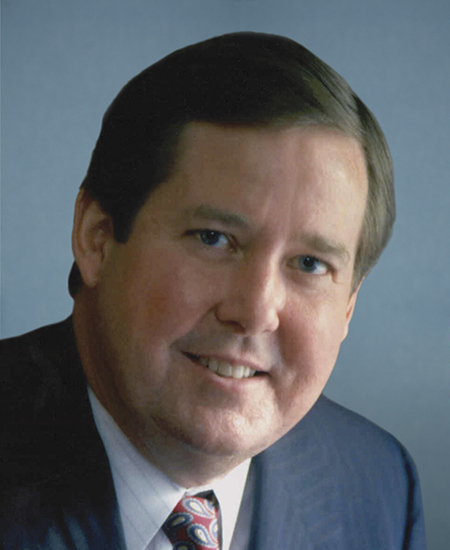
Rep. Ken Calvert
Sponsored bills
Maddy summaryThis House resolution formally honors the life and legacy of the late Representative Kay Granger from Texas, recognizing her historic achievements in public service. The bill highlights her roles as the first woman elected mayor of Fort Worth, the first Republican woman to represent Texas in the U.S. House, and the first Republican woman to chair the House Committee on Appropriations. It also acknowledges her contributions to national defense, including her work on the F-35 fighter jet program and the naming of a Navy ship for Fort Worth. The resolution expresses sympathy to Granger's family and directs the Clerk of the House to send an official copy of the document to her loved ones.
Maddy summaryThis joint resolution seeks to overturn an Environmental Protection Agency rule that granted California permission to enforce its own stricter pollution standards for small off-road engines. If enacted, the measure would revoke this waiver, effectively preventing California from implementing regulations that exceed federal requirements for equipment such as lawn mowers and generators. The bill operates under congressional review authority to nullify the agency's decision, ensuring that national uniformity is maintained for these specific engine emissions standards.
Maddy summaryThis joint resolution seeks to overturn a specific Environmental Protection Agency rule that granted California the authority to enforce its own nonroad engine pollution standards for commercial harbor craft. If enacted, the bill would render the EPA’s decision invalid and prevent it from taking effect. The measure directly affects California by removing its ability to impose stricter local emissions regulations on these vessels.
Maddy summaryThis bill proposes to reject a specific rule issued by the Environmental Protection Agency regarding pollution control standards for ocean-going vessels at ports in California. If passed, the measure would use a congressional veto to cancel the rule, preventing it from taking legal effect. The legislation directly impacts the EPA's ability to enforce these specific emission limits and affects shipping companies and ports in California that would have been subject to the new standards.
This bill designates the facility of the United States Postal Service located at 6444 San Fernando Road in Glendale, California, as the "Paul Ignatius Post Office".
Maddy summaryHR 2175 designates the U.S. Postal Service facility at 130 South Patterson Avenue in Santa Barbara, California, as the "Brigadier General Frederick R. Lopez Post Office Building." The bill updates all official U.S. government references to this location to reflect the new name. This is a ceremonial naming bill with no policy changes or direct impact on residents or services.
Maddy summaryThis resolution formally recognizes the 100th anniversary of the Golf Course Superintendents Association of America, honoring its century-long contribution to the golf industry. The bill does not change any laws or allocate funds; instead, it serves as a symbolic commendation for the organization's work in advancing greenkeeping standards, promoting environmental stewardship, and supporting education and workforce development. By acknowledging the association's role in managing golf courses and its impact on the economy and communities, the measure highlights the professional achievements of its members without imposing new regulatory requirements.
Maddy summaryThis bill, known as the No Leniency for Fentanyl Dealers Act, aims to increase penalties for trafficking fentanyl and other synthetic opioids while enhancing detection efforts by the U.S. Postal Service. It lowers the quantity thresholds required for federal felony charges and mandates that sentencing guidelines be updated to reflect these stricter penalties. Additionally, the legislation directs the Postmaster General to purchase more chemical screening devices and hire scientists to identify illegal drugs in mail shipments, authorizing $9 million in funding to support these interdiction activities.
Maddy summaryThis bill, known as the Ban Birth Tourism Act of 2026, aims to prevent non-immigrants from entering the United States specifically to give birth and secure citizenship for their children. It directly affects foreign nationals who plan to visit the U.S. with the primary goal of having a child there to obtain a U.S. passport. Under the new rules, immigration officials can deny entry to anyone suspected of engaging in birth tourism or deport those who have already entered for that purpose. The law defines birth tourism as entering the country with the main intent of obtaining citizenship for a child or being likely to give birth within 10 months of arrival to achieve that status. Decisions on whether someone is engaging in birth tourism will be based on the reasonable judgment of government officials such as those at the Department of Homeland Security.