

Maddy summaryThis bill changes visa rules for foreign graduate students pursuing STEM master's or doctoral degrees in the U.S. It requires these students to apply for admission before starting their program and adds background checks and credential verification to their visa process. It also creates a new pathway to permanent residency for STEM degree holders who secure jobs in their field at median wage levels, and allows students to seek permanent residency while on student visas (dual intent). The bill directly affects international students in STEM fields, U.S. universities, and employers hiring these graduates.
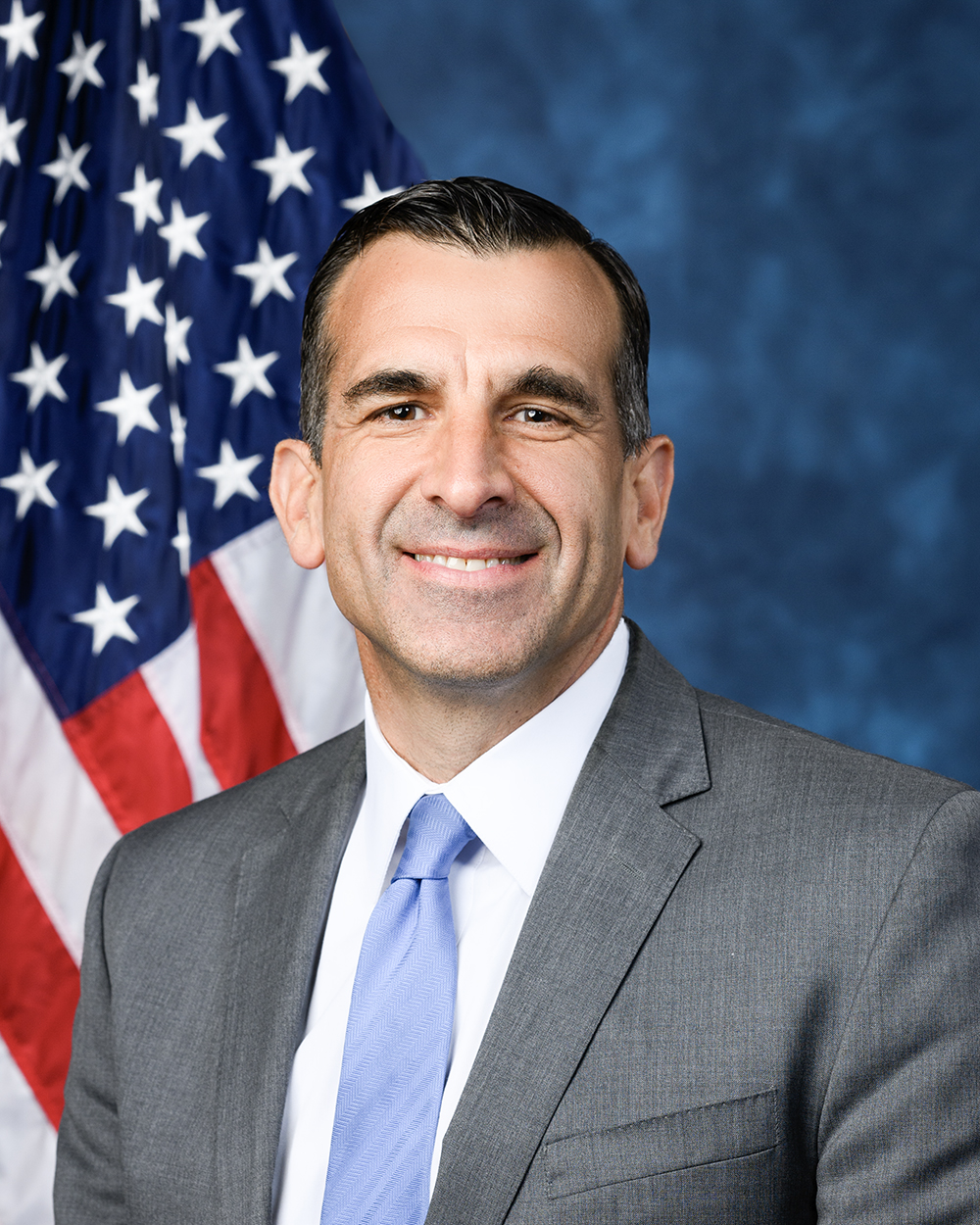
Rep. Sam T. Liccardo
Sponsored bills
Maddy summaryHRES 259 is a House resolution requesting the President to provide documents about access to the Bureau of Consumer Financial Protection (CFPB) systems. It specifically asks for details on individuals from the "Department of Government Efficiency" (DOGE), including named staff like Elon Musk, who were granted access to CFPB systems, accounts, or information. The resolution demands records on the type of access granted, clearance levels, any sensitive data viewed, and documentation like access requests and training records. It also seeks employee headcount data for the CFPB as of specific dates. This is a procedural request for transparency, not a law changing policy.
Maddy summaryThe IDEA Full Funding Act (HR 2598) mandates specific annual federal funding levels for the Individuals with Disabilities Education Act (IDEA), directly affecting schools and students with disabilities nationwide. It requires the federal government to appropriate either a fixed dollar amount or a specified percentage (increasing annually from 4.5% to 40%) of a calculated total - based on the number of eligible students and average per-pupil costs - starting in fiscal year 2026 through 2035. The bill sets clear, escalating funding targets, with the higher of two calculated amounts (dollar figure or percentage) becoming available for obligation each fiscal year. This establishes a binding financial commitment to address long-standing underfunding of special education services under IDEA.
Maddy summaryHCONRES 25 is a symbolic congressional resolution stating that the Trump administration's planned 25% tariffs on imports from Canada and Mexico violate the USMCA trade agreement. It directly addresses the administration's tariff announcement (set for April 2, 2025), which Congress claims undermines the USMCA's terms. The resolution emphasizes that these tariffs threaten established trade relationships, harm the $1.6 trillion annual trade between the U.S. and these nations, and contradict the agreement's goal of maintaining a level playing field. As a non-binding expression of congressional opinion, it does not alter tariffs but highlights concerns about USMCA compliance.
Maddy summaryThis bill expands the boundaries of the Golden Gate National Recreation Area by adding a specific parcel of land. The addition is defined by the map titled "Golden Gate National Recreation Area Proposed Boundary Addition" (map number 641/193973), dated July 2024. It directly affects the management of that designated land within the recreation area. The bill makes a technical boundary adjustment without altering existing land use or creating new policies.
Maddy summaryThe Paycheck Fairness Act strengthens equal pay protections by expanding the definition of "sex" to include pregnancy, childbirth, sexual orientation, gender identity, and sex characteristics. It modifies employer defenses for pay disparities to require proof that any pay difference is job-related, not based on sex, and accounts for the entire pay gap. The bill prohibits employers from asking about salary history, enhances penalties for violations, and requires employers with 100+ employees to collect and report detailed pay data by race, sex, and job category. It also establishes training programs for employers on eliminating pay bias and creates a National Equal Pay Enforcement Task Force to coordinate enforcement efforts. This legislation directly affects employers, particularly those with 100+ employees, and aims to address pay disparities impacting women, people of color, and other underrepresented groups.
Maddy summaryH.J. Res. 80 would declare the Equal Rights Amendment (ERA) part of the U.S. Constitution, asserting it has been ratified by 38 states (three-fourths of the states) despite the original 1972 deadline. If passed, this resolution would formally establish the ERA as a constitutional amendment, requiring all federal and state laws to align with its gender equality protections. The bill does not create new laws but confirms the ERA's status as part of the Constitution, affecting how laws are interpreted and enforced. It is a procedural step to resolve the legal dispute over the ERA's validity after decades of debate.
Maddy summaryThis bill requires the Federal Reserve Board to study how U.S. tariffs since 2017 have impacted the cost of goods and services for consumers and small businesses. The study must cover every tariff issued annually beginning in 2017, analyzing their collective effect. The Federal Reserve must submit a report of its findings to Congress within 270 days of the bill's enactment. The bill does not change existing tariff policies but mandates this analysis to provide data on tariff-related economic effects.
Homes for Every Local Protector, Educator, and Responder Act of 2025 or the HELPER Act of 2025 This bill establishes a program administered by the Department of Housing and Urban Development to provide mortgage assistance to law enforcement officers, elementary and secondary school teachers, firefighters, or other first responders. Specifically, these individuals may be eligible for a first-time mortgage on a primary family residence with no down payment. Instead, the mortgage is subject to a one-time, up-front mortgage insurance premium.
Maddy summaryHR 2129, the "No Round Up Act," repeals outdated provisions from the 1940 Alien Registration Act within U.S. immigration law. It specifically removes requirements for aliens to register, provide fingerprints, and submit forms under sections 261-266 of the Immigration and Nationality Act. This directly affects immigrants who would have been subject to these mandatory registration procedures under the repealed law. The bill eliminates these specific administrative mandates without creating new requirements or altering broader immigration enforcement mechanisms.