

Maddy summaryHB 37 amends Ohio law to increase penalties for operating a vehicle or watercraft while under the influence of alcohol or drugs. The bill specifically raises the legal blood alcohol concentration limit for drivers under twenty-one years old and establishes specific thresholds for various controlled substances, including marijuana, cocaine, and methamphetamine, that constitute impairment. These changes directly affect individuals who operate vehicles or watercraft while impaired, subjecting them to stricter legal consequences if they exceed the new limits. By defining precise chemical concentrations for different substances, the legislation aims to clarify what constitutes a violation for law enforcement and the courts.
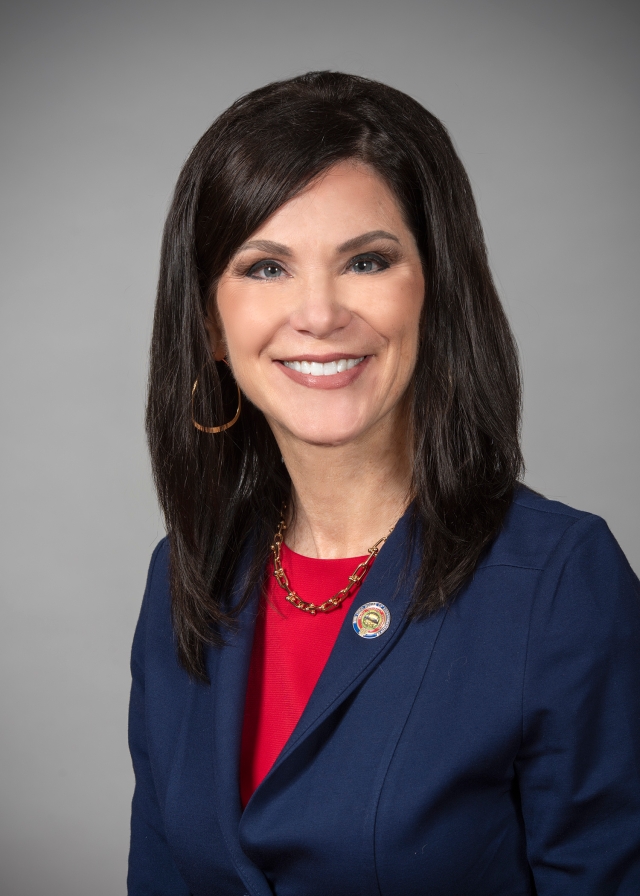
Rep. Angie King
Sponsored bills
Maddy summaryHB 531, known as Braden's Law, establishes new criminal penalties for sexual extortion, which involves threatening to release private images to force someone into performing acts, paying money, or providing additional photos. The bill specifically defines private images to include content involving nudity, sexual activity, or extreme violence, and it sets felony charges that become more severe if the victim is a minor, elderly person, or disabled adult. Additionally, the legislation clarifies the legal responsibilities of digital service providers regarding deceased users' accounts, requiring them to comply with court orders for disclosure or termination while protecting them from liability when acting in good faith.
Maddy summaryThis bill prohibits local governments in Ohio from requiring firearm liability insurance or charging fees for the possession of firearms and knives. It asserts that owning these items is a fundamental right and declares any local rules mandating insurance or fees as null and void. The legislation also allows individuals to sue local governments for damages and legal costs if they enforce conflicting ordinances. However, the law does not prevent cities from using zoning regulations to restrict where firearms and knives can be sold commercially.
Maddy summaryHB 106, known as the Pay Stub Protection Act, requires employers to provide every employee with a clear statement detailing their earnings and deductions for each pay period. This written or electronic document must include specific information such as the employee's name and address, the employer's name, total gross and net wages, a breakdown of all additions or deductions, and for hourly workers, the total hours worked, hourly rate, and any overtime hours. If an employer fails to provide this statement upon request, the employee can report the violation to the director of commerce, who may then issue a public notice to the employer. The bill directly affects all employers and their employees by standardizing pay transparency and establishing a process for addressing non-compliance.
Maddy summaryThis bill modifies how the state handles childhood sexual abuse registrants and child abuse reporting by shifting the penalty for failing to register from criminal to civil, while removing restrictions on where these individuals can live. It also establishes a new crime called grooming and extends the time limits for prosecuting violations of laws requiring the reporting of child abuse or neglect. Specifically, the legislation sets longer windows for legal action in cases involving DNA matches, fraud, or when victims discover the offense later, ensuring that prosecutions can occur even years after the original incident.
Maddy summaryThis bill is a commemorative resolution honoring the memory of Jerry W. Krupinski, a former coal miner, insurance professional, and long-serving Ohio state representative. It formally expresses the House of Representatives' sympathy to his family and acknowledges his contributions to public service and community organizations. The resolution directs the Clerk to send an official copy of the tribute to Krupinski's family, serving as a formal record of respect rather than enacting new policy.
Maddy summaryThis resolution expresses the Ohio House of Representatives' condemnation of the People's Republic of China for its alleged role in the global drug trade, specifically regarding fentanyl smuggling. The measure cites claims that Chinese authorities tolerate money laundering and drug trafficking within their borders while failing to cooperate with U.S. investigations or apprehend key cartel leaders. It further asserts that the Chinese government provides financial incentives, such as tax rebates and special enterprise designations, to companies involved in producing and exporting fentanyl. Ultimately, the bill calls for the distribution of this resolution to federal officials and the media to highlight these accusations of destabilization.
Maddy summaryHB 274 expands property tax relief for homeowners in Ohio by creating a new enhanced homestead exemption for specific groups. The bill primarily affects disabled veterans, their surviving spouses, and the surviving spouses of public service officers killed in the line of duty, offering a tax reduction based on a $50,000 property value threshold. It also extends similar benefits to certain long-term homeowners, including those who are permanently disabled, sixty-five or older, or surviving spouses of disabled or elderly individuals who meet specific age and income criteria. The amount of tax reduction is calculated using a formula that considers the property's value, local assessment rates, and tax rates, with annual adjustments made by the tax commissioner to account for economic changes. This legislation aims to provide greater financial relief to these qualifying residents by reducing their real property taxes on their primary residences.
Maddy summaryThis bill modifies Ohio's state income tax rules to allow residents to deduct contributions made to 529 college savings plans and ABLE disability savings accounts. It sets a yearly deduction limit of $8,000 for married couples filing jointly or $4,000 for individual filers, with any unused amount carried forward to future years. The legislation also adjusts how refunds and non-qualified withdrawals are taxed and includes a mechanism to automatically update the annual contribution limits based on inflation.