

Maddy summaryThis bill requires Ohio's state education board to update high school financial literacy and entrepreneurship standards to include specific concepts about free market capitalism. The new curriculum for grades nine through twelve must teach students that raw materials, labor, and capital are privately owned, that individuals control their own work and earnings, and that market prices help consumers and producers make informed decisions. It also mandates that these standards explain how wealth is created through profit-seeking transactions and how free markets drive entrepreneurship and innovation. Additionally, the legislation directs the state board to develop these academic standards independently rather than as part of a multi-state group and to include related political features like property rights and contract enforcement.
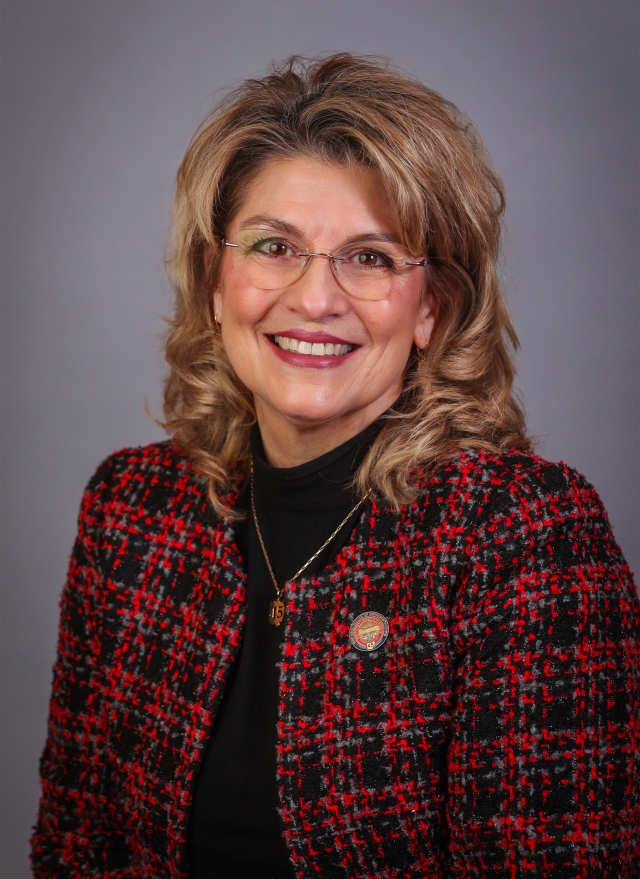
Rep. Jennifer Gross
Sponsored bills
Maddy summaryThis bill is a commemorative resolution honoring the life and public service of Ronald Mottl, Sr., who recently passed away. It formally expresses the House of Representatives' condolences to his family and acknowledges his significant contributions as a politician, educator, and community leader in Ohio. The measure directs the Clerk of the House to send an official copy of the resolution to Mottl's family as a tribute to his legacy.
Maddy summaryHB 617 prohibits individuals from being forced to wear masks or other facial coverings in specific public settings, including businesses, schools, government facilities, and courts. The law defines these settings broadly to cover places like restaurants, stores, hospitals, and transportation hubs, while explicitly excluding private residences. If someone believes they have been wrongly required to wear a mask, they can sue for money damages and legal fees if they prove the violation occurred.
Maddy summaryThis bill requires state employees, including legislators, judges, and agency staff, to complete annual training on how to interact with neurodivergent individuals. The Ohioans with Disabilities Agency is tasked with creating this training program, which must cover topics related to autism spectrum disorder and be offered multiple times throughout the year. Appointing authorities will set specific deadlines for each employee to finish the required training, and the program may be delivered electronically.
Maddy summaryThis bill designates August 24 as "Ukraine Independence Day" in Ohio to formally recognize the date Ukraine declared itself an independent, sovereign, and democratic nation. The legislation requires the state to acknowledge this specific day in official records or ceremonies as a symbol of Ukrainian statehood. It does not alter existing laws or create new government programs, but rather establishes a commemorative observance within the state.
Maddy summaryHB 232 amends Ohio law to establish a "Historical and Patriotic Education" specialty license plate, allowing vehicle owners to contribute funds to support various causes. The bill directs money collected from this plate to a wide range of organizations, including groups focused on cancer research and patient care, autism awareness, disability support, and youth scholarship programs. Additionally, the legislation allocates funds to specific universities to provide scholarships for Ohio residents attending those institutions. Motor vehicle registrants who choose this plate will directly fund these designated initiatives through their registration fees.
Maddy summaryThis bill prohibits foreign nationals from directly or indirectly funding political campaigns, ballot issues, or election-related communications within the state. It also bars state political entities from accepting or using money from foreign nationals for these purposes and makes it illegal for anyone to knowingly help facilitate such transactions. Violations of these rules carry criminal penalties, including fines and potential jail time, with the attorney general responsible for investigating and prosecuting cases.
Maddy summaryThis bill amends election laws to ensure that state ballot questions are numbered consecutively based on the sequence from the previous election, resetting to number one once the count reaches 500. It also establishes a specific order for grouping local issues on ballots, such as county and municipal questions, and requires that the percentage of votes needed to pass each measure be clearly printed. Additionally, the legislation mandates that full text for ballot proposals be posted at polling places if a condensed version appears on the ballot itself. These changes aim to standardize how voters see and number ballot measures while ensuring transparency about voting requirements.
Maddy summaryHB 305 amends several Ohio Revised Code sections to update definitions and restrict how public funds can be used by local governments and legal aid organizations. The bill clarifies what constitutes a "political subdivision" and prohibits these entities from using taxpayer money to publish content that supports political candidates, promotes illegal activities, or engages in electioneering. Additionally, it limits legal aid funds to specific services for indigent clients and bars their use in criminal or fee-generating cases. The legislation also introduces new rules for public depositories, requiring them to notify governing boards if they are involved in federal regulatory corrective actions.
Maddy summaryHB 385 allows individuals convicted of crimes while being victims of human trafficking to apply for the expungement of their criminal records. The bill permits applicants to request relief for any offense except murder, requiring them to file a formal application with specific details and supporting evidence. A judge will hold a hearing to evaluate the request, considering factors such as the level of duress faced and the seriousness of the crime, before deciding whether to clear the record. If approved, the conviction will be treated as if it never occurred, and the applicant will be legally protected from having the record used in future background checks.