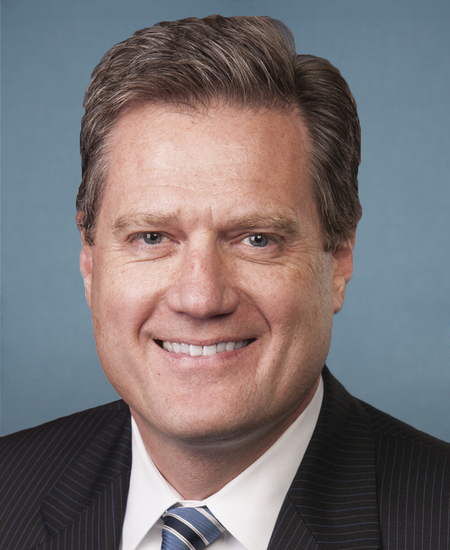
The Doctors Not AI Act of 2026 prohibits health insurance plans from using artificial intelligence systems to issue or dictate adverse benefit determinations that involve clinical judgment, such as decisions based on medical necessity or treatment appropriateness. Instead, these determinations must be made by a licensed healthcare professional who conducts an independent evaluation of the patient's specific medical circumstances without deferring to AI outputs. The bill requires insurers to disclose in written notices if any AI system was used during the review process and mandates that detailed documentation regarding the AI's role and outputs be maintained as part of the administrative record, available to patients upon request. Additionally, the legislation classifies the use of AI in utilization review as a treatment limitation for parity purposes, ensuring it is evaluated equally across mental health and medical-surgical benefits under existing federal laws.
This bill, titled the Permanent CBDC Ban Act, aims to permanently prohibit the Federal Reserve from issuing a central bank digital currency. It achieves this by amending the Federal Reserve Act to remove the specific legal authority that allows the Reserve to create such a digital currency. The legislation directly affects the Federal Reserve by stripping away its power to launch a digital version of the dollar. By deleting the relevant subsection of the law, the bill ensures that the Reserve cannot issue a CBDC in the future.
The End EPA Abuse Act of 2026 amends the Clean Air Act to limit the Environmental Protection Agency's authority to create new regulations. Specifically, it prohibits the EPA Administrator from issuing rules that restrict the sale or use of internal combustion engine vehicles, force power plants to switch fuel sources, or reduce the reliability of the electric grid. The bill also bars the agency from mandating technologies that are commercially unavailable, too expensive without subsidies, or technically unfeasible due to geographic or infrastructure limitations. Additionally, the law prevents the EPA from expanding its regulatory power beyond what Congress originally intended. These changes directly affect the EPA's ability to enforce environmental standards and impact industries such as automotive manufacturing and energy production.
The SIMS Act prohibits companies from creating or operating chatbots that simulate minors engaging in sexually explicit conduct or conversations. This law applies to any person offering such software in the United States and defines a minor as anyone under 18 years old. While the ban covers simulations of real or fictional minors, it includes specific exemptions for law enforcement agencies investigating child sexual exploitation. Violations can result in criminal fines of up to $100,000 or civil penalties, and the Attorney General is required to submit annual reports on enforcement actions and investigations related to the new rules.
The SAFE for Kids Act of 2026 requires internet platforms that host more than one-third sexual material harmful to minors to verify the age of users before they can access that content. Covered entities must implement systems using government-issued IDs, transactional data, or other reliable methods to confirm users are not under 18, while strictly prohibiting the retention or sale of the personal information collected during this process. The Federal Trade Commission is tasked with enforcing these rules through civil penalties and rulemaking, while the Department of Justice can pursue criminal charges against violators, including fines and imprisonment. Additionally, the law allows parents to sue platforms directly in civil court if their children gain access to prohibited material, and it mandates regular reports to Congress on enforcement activities.
The Connected Vehicle Security Act of 2026 restricts the importation, sale, and use of connected vehicles and related technology from China, Russia, Iran, and North Korea to protect national security. Starting in 2027, the bill generally bans these vehicles if they originate from or are controlled by these countries, with separate restrictions on software and hardware taking effect in 2030. The Secretary of Commerce is authorized to issue specific exemptions for items that do not pose a security risk and must publish a list of approved products. The law also requires companies to submit declarations confirming their vehicles comply with the rules and imposes heavy fines for violations.
This bill, known as the Email Privacy Act, amends existing federal laws to clarify how information about stored emails can be shared and how government agencies can access email content. It requires internet service providers to use the term "disclose" rather than "divulge" when sharing subscriber data and expands the definition of who can receive this information to include agents of the customer. The legislation also changes rules for government warrants by allowing providers to notify customers about the receipt of a warrant unless the government requests otherwise, while maintaining exceptions for communications made public by the sender. Additionally, the bill removes a specific time limit that previously required a warrant for emails stored for less than 180 days, ensuring consistent warrant requirements for all stored communications.
The Connected Vehicle Security Act of 2026 restricts the importation, sale, and manufacture of vehicles and related technology from specific countries, including China, Russia, Iran, and North Korea, to address national security concerns. The law defines prohibited items as connected vehicles, their software, and hardware components and sets different effective dates, with vehicle bans starting in 2027 and hardware restrictions beginning in 2030. A government official can grant exceptions for specific items after reviewing security risks and notifying Congress, while the agency must publish annual reports on enforcement actions and compliance.
HR 729, the Teleabortion Prevention Act of 2025, prohibits healthcare providers from administering chemical abortions (using drugs to terminate pregnancy) via telehealth or remote means without being physically present during the procedure. It requires providers to physically examine the patient, be present at the location of the abortion, and schedule a follow-up visit within 14 days. The bill directly affects healthcare providers offering telemedicine abortion services, imposing fines up to $1,000 or up to 2 years in prison for violations. Exceptions apply for life-threatening medical emergencies, and the law explicitly excludes treatment for verified ectopic pregnancies. This bill targets the remote provision of abortion drugs, making in-person provider presence mandatory for such procedures.
HR 1919, the "Anti-CBDC Surveillance State Act," prohibits the Federal Reserve from developing, testing, or issuing any central bank digital currency (CBDC) or similar digital assets. It specifically bans the Fed from offering direct financial products to individuals, maintaining individual accounts, or issuing CBDCs directly or indirectly through intermediaries like banks. The bill also blocks the Fed from using any digital asset for monetary policy and clarifies that physical currency's privacy protections remain intact. This policy directly affects the Federal Reserve System's ability to create or manage digital monetary tools.