Issue · Healthcare

Healthcare

Every healthcare bill, vote, and legislator stance in Ohio, automatically classified by Maddy, our AI policy reader.

Total bills
498
119th Congress
Top supporter
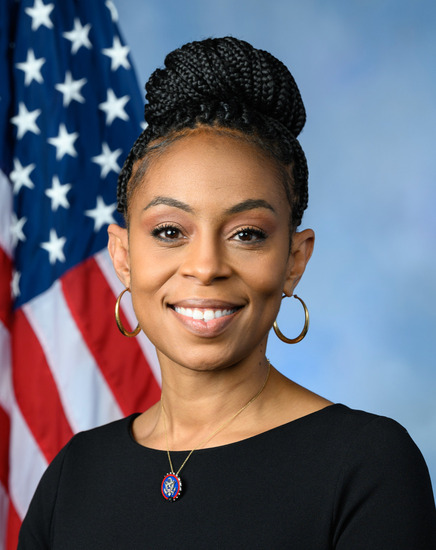
Shontel M. Brown
61% support rate
Top opponent
Bernie Moreno
24% support rate
Ranked legislators
10
5 support · 5 oppose
Key legislators

Who's moving healthcare in Ohio

Legislators moving healthcare in Ohio
Legislator Party Stance Support rate Votes
Shontel M. Brown
Shontel M. Brown House · District 11
D
Support
61% 211
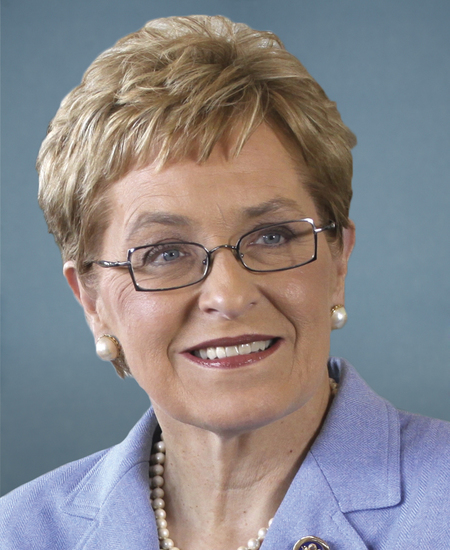
Marcy Kaptur
Marcy Kaptur House · District 9
D
Mixed
59% 201
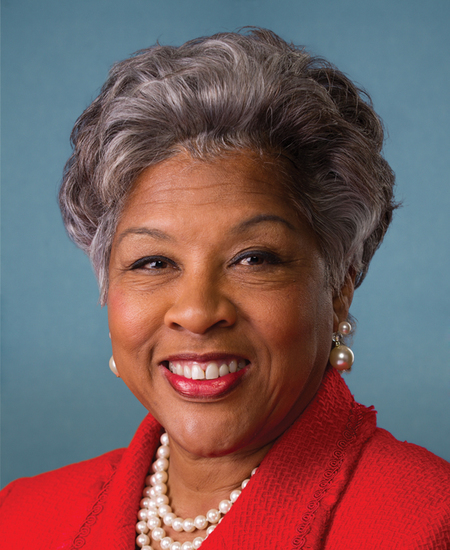
Joyce Beatty
Joyce Beatty House · District 3
D
Mixed
59% 200
Emilia Strong Sykes
Emilia Strong Sykes House · District 13
D
Mixed
56% 205
Greg Landsman
Greg Landsman House · District 1
D
Mixed
56% 209
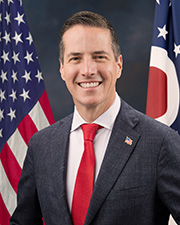
Bernie Moreno
Bernie Moreno Senate
R
Oppose
24% 221
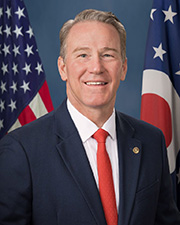
Jon Husted
Jon Husted Senate
R
Oppose
24% 223
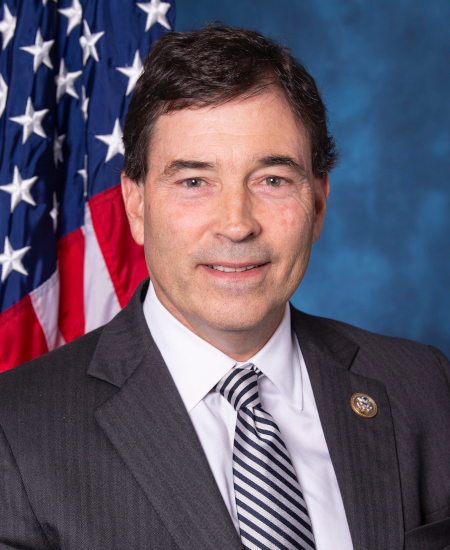
Troy Balderson
Troy Balderson House · District 12
R
Oppose
33% 211
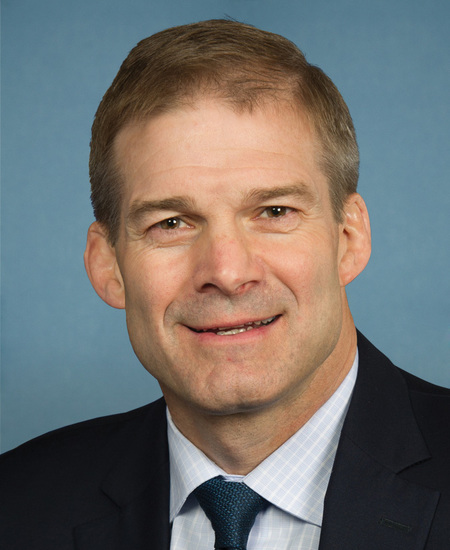
Jim Jordan
Jim Jordan House · District 4
R
Oppose
33% 201
Max L. Miller
Max L. Miller House · District 7
R
Oppose
38% 204
Showing 1–10 of 498 bills

All healthcare bills

in committee · United States · House Sep 10, 2026

HRES 1528: Recognizing suicide as a serious public health problem and expressing support for the designation of September, 2026, as "National Suicide Prevention Month" as well as September 10, 2026, as "World Suicide Prevention Day".

This House resolution formally recognizes suicide as a serious public health problem in the United States and expresses support for designating September 2026 as National Suicide Prevention Month and September 10, 2026, as World Suicide Prevention Day. The bill cites data from the CDC, SAMHSA, and the VA to highlight that suicide is a leading cause of death among young people, veterans, and during the postpartum period, while also noting the significant economic costs associated with it. It declares suicide prevention a national priority and emphasizes that mental health is as important as physical health. The resolution supports the development of strategies to improve access to quality mental health, substance abuse, and suicide prevention services for all communities.
in committee · United States · House Sep 1, 2026

HR 10210: Doctors Not AI Act of 2026

The Doctors Not AI Act of 2026 prohibits health insurance plans from using artificial intelligence systems to issue or dictate adverse benefit determinations that involve clinical judgment, such as decisions based on medical necessity or treatment appropriateness. Instead, these determinations must be made by a licensed healthcare professional who conducts an independent evaluation of the patient's specific medical circumstances without deferring to AI outputs. The bill requires insurers to disclose in written notices if any AI system was used during the review process and mandates that detailed documentation regarding the AI's role and outputs be maintained as part of the administrative record, available to patients upon request. Additionally, the legislation classifies the use of AI in utilization review as a treatment limitation for parity purposes, ensuring it is evaluated equally across mental health and medical-surgical benefits under existing federal laws.
in committee · United States · House Aug 27, 2026

HR 10182: CEDS Act

The Care is an Economic Development Strategy (CEDS) Act amends the Public Works and Economic Development Act of 1965 to require that local economic development plans include strategies for increasing access to affordable, quality care-based services. These services specifically include child care, early childhood education, disability and long-term care, and elder care. The bill directs the Secretary of Commerce to issue implementation guidance within one year of enactment to help grant recipients integrate these requirements into their existing plans. To minimize administrative burden, communities with previously approved development strategies are only required to update their plans for compliance during their next regularly scheduled revision cycle.
Sub-Topics Early Childhood Long-Term Care Tags Economic Development
in committee · United States · Senate Aug 8, 2026

S 5383: End Gas Station Heroin Act

The End Gas Station Heroin Act adds two specific kratom compounds, 7-hydroxymitragynine and mitragynine pseudoindoxyl, to the federal list of Schedule I controlled substances. However, it includes an exemption for these compounds when they occur naturally in finished kratom products that meet strict concentration limits, while explicitly excluding synthetically produced or chemically concentrated versions from this protection. The bill also creates a new enforcement mechanism that treats any emerging synthetic opioid with greater potency than morphine as a Schedule I controlled substance if it is manufactured or distributed for commercial sale. This provision targets the production and distribution of these substances but explicitly prohibits criminal or civil penalties for simple possession or personal use by consumers.
in committee · United States · House Aug 27, 2026

HR 10164: BEDROCK Act

The BEDROCK Act directs the Secretary of Commerce to designate a senior official who will lead federal efforts to boost the competitiveness and supply-chain resilience of the U.S. biomanufacturing industry. This official is tasked with identifying barriers to private sector investment, mapping complex regulatory pathways across agencies like the FDA and EPA, and publishing a prioritized action plan to address vulnerabilities in critical inputs such as enzymes and cell lines. The bill also requires the government to create a public web resource that consolidates federal information and designates specific agency points of contact to help businesses navigate commercialization processes. These requirements are set to terminate five years after the law is enacted, with periodic reports submitted to Congress to track progress.
in committee · United States · House Aug 3, 2026

HRES 1475: Expressing support for the designation of the first week of August as "National Community Health Center Week", and encouraging all Americans to participate by visiting their local community health center and celebrating the important partnership between health centers and the communities they serve.

This resolution expresses support for designating the first week of August as National Community Health Center Week to honor the contributions of these facilities. It encourages all Americans to visit their local health centers during this time to celebrate the partnership between these organizations and the communities they serve. The bill highlights how community health centers provide affordable, comprehensive care to millions of people, particularly in rural and underserved areas, while integrating services like dental care, behavioral health, and pharmacy support. By recognizing these centers, the resolution aims to raise awareness of their role in improving public health outcomes and supporting local economies.
in committee · United States · House Jul 30, 2026

HR 9988: FASTER Act of 2026

The FASTER Act of 2026 expands the list of major food allergens regulated by the FDA to include barley, rye, and oats alongside wheat. This change requires food manufacturers to clearly label these gluten-containing grains, helping consumers with allergies and Celiac disease identify potential triggers. The law also mandates that the FDA update its compliance guides within a year to reflect these new allergen categories. Additionally, the bill directs the Department of Health and Human Services to produce a comprehensive report on Celiac disease, covering data on prevalence, diagnostic methods, prevention strategies, and potential treatments. These provisions apply to all foods entering the market starting one year after the law is enacted.
in committee · United States · House Jul 21, 2026

HR 9817: Justice for Incarcerated Moms Act

The Justice for Incarcerated Moms Act aims to improve maternal health outcomes for pregnant and postpartum individuals in the criminal justice system by restricting financial incentives for states that use restraints on pregnant inmates. Under the bill, states receiving federal justice grants would face a 25 percent funding penalty if they fail to implement laws limiting the use of shackles on pregnant individuals, with those withheld funds redirected to compliant states. The legislation also directs the Bureau of Prisons and the Department of Justice to create and fund programs in at least six federal facilities and across various state and local prisons that provide specialized prenatal care, mental health support, and reentry assistance. These programs are designed to address specific health disparities, particularly for racial and ethnic minority groups, by offering culturally competent care, nutrition counseling, and opportunities to maintain contact with newborn children. Additionally, the act requires an independent oversight organization to monitor program implementation and mandates a Government Accountability Office report to analyze maternal and infant health data within the correctional system.
in committee · United States · House Jul 23, 2026

HR 9941: Right to IVF Act of 2026

This bill establishes federal protections and funding to expand access to in vitro fertilization and intrauterine insemination for individuals, military service members, and veterans. It requires most private health plans, Medicaid programs, and Medicare to cover these fertility treatments without imposing higher cost-sharing than other medical services. Additionally, the legislation mandates that the Department of Defense and the Department of Veterans Affairs provide specific fertility preservation and treatment benefits to uniformed service members and eligible veterans. The bill also includes preemption clauses that override state laws restricting these procedures and prohibits discrimination based on marital status, sex, or sexual orientation in the provision of care.
in committee · United States · House Jul 22, 2026

HR 9839: STRONG Kids Act

The STRONG Kids Act establishes a new grant program to support youth sports organizations in improving health outcomes and increasing access to physical activity for children under 18. The Department of Health and Human Services will award competitive grants to national and regional nonprofits, which must then distribute smaller subgrants to local groups for specific initiatives such as coach training, injury prevention, and safety protocols. Eligible recipients can use funds to lower barriers for underserved populations, implement background checks to prevent abuse, and promote positive character development through structured sports programs. The legislation authorizes funding starting in fiscal year 2027 and requires organizations to prioritize youth with limited resources while submitting regular reports to Congress on program effectiveness.
Sub-Topics Children's Health
Showing 1 to 10 of 498 bills
1 2 3 50 Next