

Maddy summarySB 109, the Veterans Appreciation Act, increases property tax relief for disabled veterans in North Carolina by expanding the homestead exclusion to cover the value increase from U.S. Department of Veterans Affairs (VA) housing grants. It directly affects disabled veterans who receive VA housing grants for service-connected disabilities, allowing them to exclude up to $45,000 of their home’s appraised value plus grant-funded improvements from property taxes. The bill adds a prequalification process, letting veterans apply in advance of purchasing a home to confirm eligibility, with county assessors required to notify applicants within 30 days. This change takes effect for property taxes on homes owned after July 1, 2025.
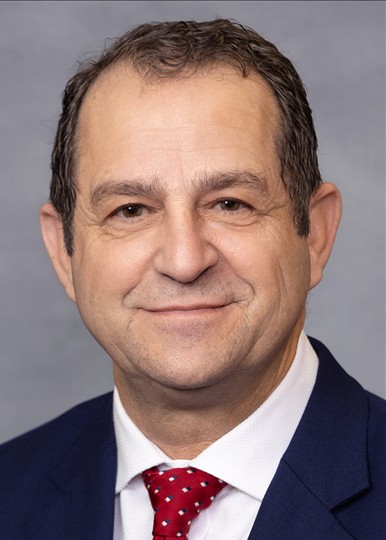
Sen. Michael Lazzara
Sponsored bills
Maddy summarySB 113 creates a new process for property owners to quickly remove unauthorized occupants (squatters) from residential property. Property owners or their authorized representatives must file a sworn affidavit with a court clerk or magistrate, pay a $25 fee, and provide specific details proving the occupant has no legal claim (e.g., no rent paid, not a tenant, and directed to leave). Once the affidavit is processed, local law enforcement must remove the person within 24 hours. This process does not apply to tenants with valid leases or rental agreements.
Maddy summarySB 73 authorizes the Town of Richlands to impose a 3% occupancy tax on hotel and short-term rental stays, in addition to existing state and local sales taxes. The tax revenue must be sent quarterly to the Richlands Tourism Development Authority, which is required to spend at least two-thirds promoting tourism (e.g., advertising, marketing) and the remainder on tourism-related projects like facility improvements. The bill also establishes the Tourism Development Authority with specific membership rules, including at least one-third of members from tourism businesses and half from tourism promotion roles. It mandates quarterly financial reports to the town council on how funds are allocated.
Maddy summarySB 86 increases North Carolina firefighters' monthly pension payments from $175 to $180 starting January 1, 2025, for eligible members who reach age 55 with 20 years of service. It updates disability benefit rules, clarifies death benefits for firefighters killed on duty (including monthly payments to surviving spouses or beneficiaries), and adds protections for members displaced by city annexations or department takeovers. These changes directly affect current and future firefighters, rescue squad workers, their families, and members whose departments are absorbed by municipalities. The bill modifies existing pension fund statutes without creating new programs or altering contribution requirements.
Maddy summarySB 71 creates a new process for North Carolina property owners or their authorized representatives to expedite the removal of unauthorized occupants from residential properties. To use this process, the property owner must file a sworn affidavit (with a $25 fee) with a court clerk or magistrate, confirming the occupant meets strict criteria like having no lease, no rent paid, and the owner having previously requested their departure. Law enforcement must remove the occupant within 24 hours of receiving the affidavit, and the bill grants immunity to law enforcement and property owners acting in good faith. It also allows civil lawsuits against property owners for wrongful removal, with potential damages including triple the fair market rent.
Maddy summarySB 56, the Disaster Recovery Act of 2025 - Part I, authorizes the transfer of funds from North Carolina's State Emergency Response and Disaster Relief Fund (SERDRF) to the Hurricane Helene Disaster Recovery Fund. It applies to counties designated as part of the "affected area" under a federal disaster declaration for Hurricane Helene. The bill directs the General Assembly to use existing SERDRF funds for Helene recovery efforts, without creating new programs or changing eligibility. This procedural bill focuses solely on redirecting existing disaster relief funding to support recovery in Helene-impacted counties.
Maddy summaryThis bill allows students attending public, private, or homeschools without a specific sport or extracurricular program to participate at the nearest public high school offering that activity. It requires public schools to permit such participation under the same terms as enrolled students, with schools able to charge a reasonable, board-approved fee for non-enrolled students. The law mandates that school districts publish all approved participation fees online by October 15 each year. It applies beginning with the 2025-2026 school year.
Maddy summaryThis bill adopts the permanent procedural rules for the North Carolina Senate during the 2025 legislative session. It establishes how the Senate operates, including requirements for quorum (a majority of members), session order (e.g., committee reports before bill introductions), debate conduct, voting procedures, and emergency convening rules. These rules directly affect all senators, committee staff, and legislative officers during the session. The rules cover core Senate functions like handling bills, managing debate, and resolving procedural disputes, without creating new policy or affecting the public.
Maddy summaryThis procedural bill (SJR 2) sets the official reconvene date for North Carolina's 2025 legislative session. It directs the General Assembly to adjourn on January 8, 2025, after organizing, and reconvene on January 29, 2025, at noon. The resolution follows existing law (G.S. 120-11.1) and applies only to the session's organizational schedule. It does not change any substantive laws or affect constituents.
Maddy summaryThis North Carolina bill adjusts the 2023 state budget by extending the spending deadline for certain one-time funds until December 31, 2024, rather than letting them expire on June 30. It also reassigns money from the State Fiscal Recovery Fund, reducing specific allocations to agencies like the Department of Health and Human Services and the University of North Carolina while redirecting those funds to other programs. A major provision moves $800 million from the State Fiscal Recovery Fund to the Office of State Budget and Management to offset other state expenses, while simultaneously appropriating $800 million from the General Fund to the Department of Environmental Quality for water and wastewater projects. Additionally, the legislation continues funding for childcare stabilization grants to support the Department of Health and Human Services.