

Maddy summaryThis bill establishes the Nursing Fellows Program at Winston-Salem State University to support students pursuing degrees in nursing or nursing education. The legislation creates a trust fund that provides forgivable loans to high-achieving students who commit to working as nurses or instructors within North Carolina after graduation. Funds from the trust are used to cover tuition and fees, with loan amounts increasing for those who plan to become nursing instructors. The program includes provisions for mentoring, administrative costs, and extracurricular activities to enhance student success.
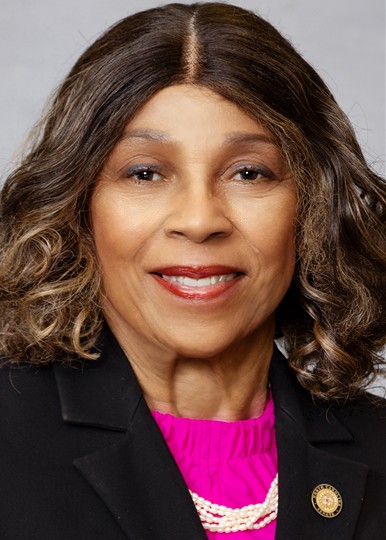
Sen. Joyce Waddell
Sponsored bills
Maddy summaryThis bill creates a new advisory council and grant program in North Carolina to support high-quality after-school activities for children and youth up to age 18. It establishes the LEAP Advisory Council to guide the Department of Public Instruction on grant criteria, program quality standards, and strategies to serve rural and underserved communities. The legislation also sets up the LEAP Fund, which will be financed by state appropriations, federal funds, private donations, and any legal settlements against social media companies, to distribute grants to eligible community-based organizations and schools. These grants, limited to a maximum of two years per award, must provide structured programs with adult mentors focused on positive youth development rather than basic classroom instruction. The bill ensures that grant funds supplement existing programs and includes requirements for evaluating outcomes such as attendance, skill development, and community engagement.
Maddy summaryThis bill expands North Carolina Medicaid coverage to include doula services during pregnancy and the postpartum period while establishing a licensing system for certified professional midwives and birth centers. To support these changes, the state will seek approval from the federal government to cover doula care, create a new council to oversee midwife licensing, and appropriate funds to reimburse doulas and assist the workforce. The legislation defines specific skills doulas must possess, such as newborn care and cultural awareness, and sets up a regulatory framework that distinguishes licensed midwives from other healthcare providers like nurses and physicians.
Maddy summaryThis bill mandates that all public schools in North Carolina, including charter and laboratory schools, provide free breakfast and lunch to every student starting in the 2026-2027 school year. To support this requirement, the state will allocate $116 million from the General Fund to the Department of Public Instruction, with additional flexibility to use existing state aid if necessary. The legislation outlines specific criteria for distributing these funds, such as school size, the number of eligible students, and the quality of food provided, while ensuring that state money supplements rather than replaces other funding sources.
Maddy summaryThis bill introduces a new 7% state income tax specifically on earnings that exceed $1 million. The revenue generated from this tax, after deducting administrative costs, will be sent directly to the Public School Fund to support local schools. The law applies to individual taxpayers and is scheduled to take effect for tax years starting on or after January 1, 2026.
Maddy summaryThis bill expands tuition waivers at North Carolina community colleges to children of public safety workers who are injured or disabled in the line of duty. It specifically allows children aged 17 to 24 to attend classes for free if their parent is a law enforcement officer, firefighter, volunteer firefighter, or experienced correctional officer with at least 10 years of service. The legislation removes previous time limits on these waivers for community college students, ensuring they can attend for the full duration needed to complete their program. Eligible students must still meet standard admission requirements, and the changes will take effect starting with the 2026-2027 academic year.
Maddy summaryThis North Carolina bill allocates $359.3 million in recurring funds to hire additional school psychologists and counselors starting in the 2026-2027 school year. The legislation establishes specific staffing ratios, requiring one psychologist for every 700 students and one counselor for every 250 students statewide. These positions are intended to create a tiered support system for students within the Leandro Comprehensive Remedial Plan.
Maddy summaryThis bill directs the North Carolina State Education Assistance Authority to conduct a feasibility study on creating a student loan forgiveness program for graduates of public colleges and universities in the state. The study will evaluate the costs, eligibility requirements, and potential economic benefits of offering debt relief to encourage graduates to remain in North Carolina after graduation. To fund this analysis, the bill appropriates $150,000 from the state's General Fund for the 2026-2027 fiscal year. The Authority must complete the study and submit a report with recommendations to the legislature by October 1, 2027. The bill does not establish a forgiveness program itself but rather authorizes a review to determine if such a program is viable.
Maddy summaryThis bill establishes a new fund called the Contaminated Parks Remedial Account to help clean up environmental hazards in public parks across North Carolina. It directs money from taxes on trash disposal and corporate income to pay for assessing and fixing pre-1983 landfills or other inactive hazardous sites that make parks unusable. Local governments that own the affected parks must contribute one dollar for every four dollars provided by the state to share the cost of cleanup. The program is scheduled to begin in 2026, with funding amounts gradually increasing over time as more tax revenue is generated.
Maddy summaryThis bill directs $250,000 to the North Carolina Association of County Commissioners to fund grants for counties that advertise property tax relief programs. It also modifies the state's homestead circuit breaker program by raising the income eligibility limit to $45,000 for single applicants starting in 2027, with a higher threshold for married couples. Additionally, the law requires counties to report their total tax deferrals to the Secretary of Revenue by September 1 to receive reimbursement for those amounts. These changes take effect for tax years beginning on or after July 1, 2027, and July 1, 2026, respectively.