

Maddy summaryThis bill proposes adding a new section to the North Carolina Constitution to explicitly protect the right of people to farm and practice forestry. The amendment would declare activities such as growing crops, raising livestock, and harvesting timber as essential parts of the state's heritage that must be preserved for the public good. It clarifies that these rights are subject only to laws passed by the state legislature, meaning the change would not override existing regulations but rather affirm the practice of agriculture and forestry. Currently, the bill is in the process of being reviewed by state committees and would be voted on by eligible voters in a statewide election in November 2026.
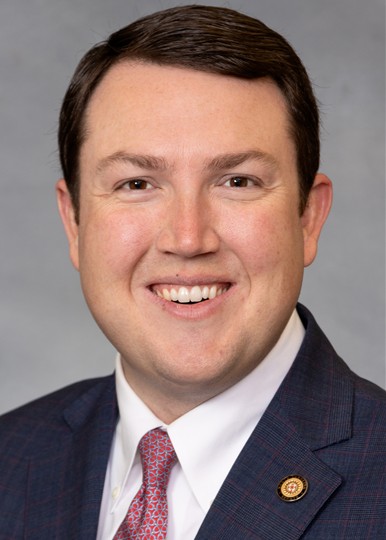
Sen. Dave Craven
Sponsored bills
Maddy summarySB 1062 directs the North Carolina Department of Transportation to conduct a study on improving commuter transportation in the Piedmont Triad region, specifically focusing on Winston-Salem, High Point, and Greensboro. The bill requires the study to evaluate the feasibility of a commuter rail system while also considering other options like bus rapid transit, regional bus networks, and roadway expansions. It mandates an analysis of funding sources, governance structures for a potential regional transit authority, and the economic impacts of various transportation modes through 2050. The legislation appropriates $250,000 for this study, which must be completed and reported to state committees by December 29, 2026.
Maddy summaryThis bill modifies teacher licensure rules in North Carolina by removing a specific testing requirement for admission into educator preparation programs. It extends the deadline for completing licensure exams to the third year of a teacher's career, provided the individual takes the exam at least once during their first year. Additionally, the legislation simplifies the process for out-of-state applicants by allowing them to obtain a North Carolina license if they have three years of teaching experience and hold a valid license from another state with similar requirements. The act also allocates $50,000 in funding for implementation and takes effect on July 1, 2026, with other provisions becoming law immediately upon passage.
Maddy summarySB 693 regulates fees for non-attorney service providers assisting veterans with benefits claims in North Carolina. It requires a written agreement with veterans that includes a mandatory disclosure about free government services (in 12-point font), prohibits upfront fees and guarantees of specific benefits, and limits fees to no more than five times the monthly benefit increase upon successful claim resolution. The bill also bans aggressive solicitation, the use of medical professionals in employment relationships for exams, and misleading advertising. Violations are treated as violations of North Carolina's Unfair Trade Practices Act.
Maddy summaryThis North Carolina bill directs the Department of Health and Human Services to provide new luggage, such as suitcases or backpacks, to children entering or currently in the foster care system when they are removed from a household. The legislation appropriates specific funds for this purpose and allows the department to accept additional donations, while explicitly defining new luggage as unused containers and excluding disposable bags. To ensure accountability, the bill requires an annual report detailing how often disposable bags are still used and how the new luggage inventory is managed. These changes take effect on July 1, 2026, aiming to improve the personal belongings provided to children in state care.
Maddy summarySB 50, "Freedom to Carry NC," allows most North Carolina residents aged 18 or older (who are U.S. citizens) to carry concealed handguns without a permit, while maintaining existing permit options for reciprocity. The bill prohibits concealed carry for individuals with certain felony convictions, domestic violence misdemeanors, active warrants, or specific mental health or substance use conditions. It also requires carrying valid ID and disclosing concealed weapons to law enforcement upon request. Additional provisions include increased penalties for assaults on first responders, new offenses for felons discharging firearms during crimes, and expanded benefits for law enforcement families. The bill does not change current restrictions on carrying firearms in sensitive locations like schools or government buildings.
Maddy summaryThe provided context does not include the text or specific provisions of SB 254, only its procedural history (e.g., committee referrals and withdrawal). Without details on the bill's actual content, such as proposed changes to charter school funding, oversight, or operational rules, a substantive summary cannot be created. Legislative actions like "Re-ref to Judiciary" or "Withdrawn From Com" describe process, not policy. To summarize the bill's purpose or effects, the full text or official description would be required.
Maddy summarySB 311, titled "The Law and Order Act," increases penalties for assaulting utility and communications workers while they are identifiable in uniform and performing duties. It also creates new offenses, including criminal possession of embalming fluid, larceny of gift cards, and unlawful possession of certain explosive devices. The bill enhances punishments for reckless driving causing death, hit-and-run offenses, and firearm use by felons during crimes, while adding a mitigating factor for impaired drivers using ignition interlocks. Additional provisions revise burglary penalties, expand workplace violence prevention to cover mass picketing, and establish civil liability for gift card theft. The bill directly affects workers in essential services and individuals committing specified violent or property crimes.
Maddy summarySB 479, the SCRIPT Act, requires health insurers in North Carolina to allow patients to choose any participating pharmacy without restrictions. It prohibits insurers from imposing unequal copayments, financial penalties, or incentives that steer patients toward specific pharmacies. The bill directly affects insurers offering prescription drug coverage, independent pharmacies (defined as groups of 10 or fewer under common ownership), and patients seeking pharmacy services. Key provisions ensure equal treatment for all pharmacies in a plan and prevent insurers from limiting patient choice based on financial incentives.
Maddy summarySB 429 creates new criminal offenses for knowingly exposing children under 16 to controlled substances (like drugs or opioids), with penalties ranging from a Class H felony (exposure alone) to a Class B1 felony (if exposure causes death). It also revises rules for sharing autopsy records: medical examiners must provide finalized toxicology and autopsy reports to prosecutors during criminal investigations, but public disclosure is restricted to specific recipients like family members or estate representatives. The law applies to offenses occurring on or after December 1, 2025, and excludes cases where a medical professional administers prescribed medication to a child. This bill directly affects caregivers, medical examiners, and prosecutors handling child exposure cases.