

Maddy summaryThis bill formally defines "license-exempt family, friend, and neighbor" child care providers in North Carolina law to clarify their legal status. It applies to individuals caring for children outside their own families in settings that do not require a license, such as relatives, neighbors, or family friends. The legislation ensures these caregivers are not subject to new licensing requirements while allowing the state to update its public materials, internal policies, and data systems to better track and support this group. Additionally, the bill allocates $30,000 to help the Department of Health and Human Services implement these changes and improve communication regarding the distinction between licensed and unlicensed care arrangements.
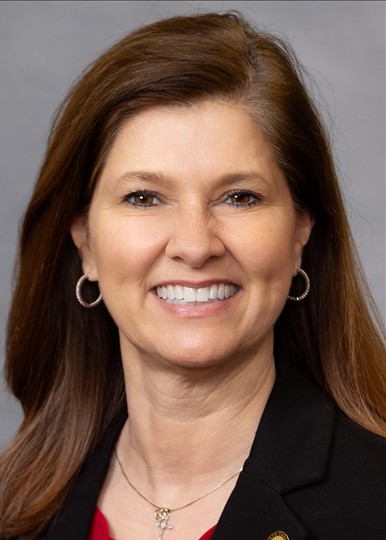
Sen. Sophia Chitlik
Sponsored bills
Maddy summaryThis North Carolina bill directs the Department of Health and Human Services to study health challenges faced by women serving in the military. The study will examine how to improve maternity care coordination, access to community resources, and mental health support for pregnant and postpartum veterans, while also looking at ways to reduce maternal mortality and address racial disparities. To complete this research, the state has allocated $100,000 for the 2026-2027 fiscal year, and the final report with recommendations is due by April 1, 2027.
Maddy summaryThis North Carolina bill aims to improve access to affordable child care by increasing subsidy rates and providing financial support to providers. Starting in October 2026, the state will raise payment rates for licensed centers and homes to match the 75th percentile of market rates, with a specific provision to maintain higher local rates in counties with very few children if the statewide rate would be too low. The legislation appropriates $110 million in recurring funds to implement these rate increases and reinstitutes a $50 million stabilization grant program to help providers with compensation. Additionally, the bill allocates $50 million for matching grants to counties and private employers for physical improvements and capacity expansion, and $60 million for a two-year pilot program that offers subsidies to help child care workers afford care for their own children. To qualify for the worker assistance pilot, providers must be full-time employees earning below 85% of the state median income, and the program requires a 25% match from the employer while prioritizing areas with the highest unmet demand for care.
Maddy summaryThis bill establishes the Small Farmers Support Grant Program to provide financial assistance to North Carolina residents who are small farmers earning $1 million or less annually. The program offers grants to help eligible individuals purchase essential inputs, equipment, and make operational improvements to their farms, with funding prioritized based on factors like farm size and economic hardship. An initial $15 million in recurring funds is allocated for the 2026-2027 fiscal year to support these efforts, and the bill creates an advisory committee to monitor the program's effectiveness.
Maddy summaryThis bill creates a one-time grant program for the 2026-2027 school year to help public school districts in North Carolina start Parent-Teacher Associations (PTAs) where they do not currently exist. The state will provide $2,000 for each school without a PTA, up to a total of $30,000 per district, but requires the district to match every dollar of state funding with two dollars of their own money. Districts must use these funds specifically to establish new PTAs and return any unspent money if a PTA is not formed for each school that received a grant. The program includes a requirement for the state education department to report on how many PTAs were created and any effects on student outcomes by April 2027.
Maddy summaryThis North Carolina bill allocates $4.2 million in recurring state funds starting in the 2026-2027 fiscal year to support local courts that handle cases involving substance use and mental health issues. The money is designated for the Administrative Office of the Courts to establish and maintain judicially managed accountability and recovery courts, which are designed to help defendants diagnosed with alcoholism, substance use disorders, or mental health conditions. These courts will operate by creating personalized treatment plans for participants and monitoring their progress while they remain involved in the criminal justice system. The funding applies to both new and existing programs that fall under specific state statutes governing these specialized courts.
Maddy summaryThis bill modifies North Carolina's sales tax laws to exempt feminine hygiene products, diapers, and groceries from state and local sales taxes. It specifically adds items like tampons, menstrual cups, and sanitary napkins to the list of tax-free feminine hygiene goods and clarifies that certain grooming products such as soap and shampoo remain taxable. Additionally, the legislation ensures that children's and adult diapers purchased with a prescription from a Medicaid provider are not subject to sales tax. The bill also includes a provision to distribute $1.6 million in state funds to regional councils of government to inform the public about these new tax exemptions.
Maddy summaryThis bill establishes a Tropical Storm Chantal Mitigation Fund within North Carolina's Division of Emergency Management to assist homeowners in seven specific counties affected by the storm. The fund will provide financial support for buying out homes, relocating residents, or repairing and rebuilding properties, with each person eligible to receive up to $500,000. A total of $25 million is allocated from the state's general fund for these purposes, with unused money returning to a disaster relief fund by June 2028. The legislation is scheduled to take effect on July 1, 2026.
Maddy summaryThis North Carolina bill creates a new Human Trafficking Records Commission within the Department of Justice to review and release records related to the Jeffrey Epstein investigation, while redacting victim information. The legislation modifies existing laws on legislative privilege to allow the commission to investigate lawmakers and authorizes the State Bureau of Investigation to assist with inquiries into individuals identified in the released documents. Additionally, the bill establishes a legal mechanism for courts to issue Extreme Risk Protection Orders that temporarily remove firearms from people named in the commission's records. To support these new operations, the act appropriates ten million dollars in state funds for the commission and investigative activities for the 2026-2027 fiscal year.
Maddy summaryThis North Carolina legislation creates a Military Sexual Trauma Study Commission and a two-year pilot program to assist survivors of military sexual trauma. The Commission will investigate barriers to reporting and support access among active duty, reserve, and veteran populations, with a requirement to submit findings to the General Assembly by April 2027. The pilot program, managed by the Department of Military and Veterans Affairs, provides a confidential hotline, counseling, legal referrals, and emergency assistance to affected service members and families. These provisions aim to improve care coordination and inform future statewide implementation without duplicating existing federal services.