

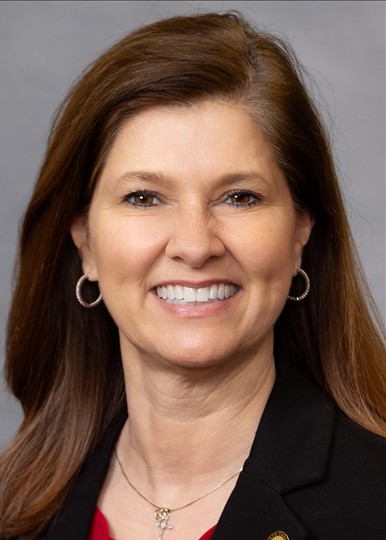
Photo of Sophia Chitlik
D North Carolina Senate · District 22 On the 2026 ballot

Sen. Sophia Chitlik

Compare
Total votes
293
all sessions
Attendance
88%
34 missed
Near the chamber average
With party
94%
of cast votes
Lower than 80% of chamber peers
Bipartisan score
3%
crosses aisle rarely
Higher than 77% of chamber peers
Sponsored
199
bills & resolutions
Higher than 88% of chamber peers
Committees
6
assignments
199 bills and resolutions

Sponsored bills

Total
199
Primary
47
Co-sponsor
152
This page
199
matching current filters
Primary SB 247
died · North Carolina Senate · Lead sponsor
Redirect Crisis Pregnancy Center Funds.

Maddy summarySB 247 redirects $6.25 million annually from crisis pregnancy centers to evidence-based maternal and infant health programs administered by North Carolina's Department of Health and Human Services, starting July 2025. It requires the State Auditor to audit Carolina Pregnancy Care Fellowship by March 2026 and mandates detailed reporting from all crisis pregnancy centers receiving state funds. These centers must disclose service types, demographics of clients, funding sources, and whether they misrepresent as medical facilities. The bill aims to increase transparency and reallocate resources toward proven maternal health initiatives.

died Mar 6, 2025 0 co-sponsors
Co-sponsor SB 239
died · North Carolina Senate · Co-sponsor
Raise DSP Pay to $25 Per Hour.

Maddy summarySB 239 increases the hourly wage for Direct Support Professionals (DSPs) serving Medicaid beneficiaries under North Carolina's Innovations waiver program by $5 per hour for the 2025-2026 fiscal year and another $5 per hour for 2026-2027. The law requires providers receiving this funding to use at least 90% of the increased payments to raise DSP wages directly, with verification through payroll documentation. The Department of Health and Human Services (DHB) will adjust payments to managed care organizations (LME/MCOs), which must pass the increase to providers and report quarterly on DSP wage changes. This policy directly affects DSPs working with people with intellectual and developmental disabilities (I/DD) and their employers under the waiver program.

died Mar 6, 2025 1 co-sponsor
Co-sponsor SB 246
died · North Carolina Senate · Co-sponsor
Create 13,000 Jobs Serving People With I/DD.

Maddy summarySB 246 increases North Carolina's Medicaid Innovations Waiver slots by 5,000 for the 2025-2026 fiscal year and another 5,000 for 2026-2027, directly serving approximately 19,000 people with intellectual or developmental disabilities (I/DD) currently on a waiting list. The bill allocates $134 million (2025-2026) and $357.34 million (2026-2027) in state funds to cover a state match for federal funds, enabling these slots to be distributed based on waitlist length. It requires that direct care workers receive at least $20 per hour and ensures unused slots are redistributed to providers meeting wage and service capacity standards. This policy aims to reduce the waiting list, support caregivers in returning to work, and stimulate local economies through new jobs and community-based services.

died Mar 6, 2025 1 co-sponsor
Co-sponsor SB 211
In committee · North Carolina Senate · Co-sponsor
Reenact the Earned Income Tax Credit.

Maddy summarySB 211 reenacts North Carolina's state Earned Income Tax Credit (EITC), providing a cash refund to low-to-moderate income workers. It allows eligible residents to claim a credit equal to 5% of the federal EITC amount they qualify for, which is refundable (meaning they receive a cash payment even if they owe no state tax). The credit applies to taxable years beginning on or after January 1, 2025, and directly benefits working individuals and families with low earnings. The bill reinstates a previously sunsetted provision, ensuring continued state-level support aligned with the federal EITC.

In committee Mar 3, 2025 1 co-sponsor
Co-sponsor SB 210
In committee · North Carolina Senate · Co-sponsor
Funds/Durham Co. Wastewater Utility/RTP.

Maddy summarySB 210 appropriates $30 million in one-time state funds to Durham County for wastewater infrastructure upgrades in the Research Triangle Park (RTP) area. The bill directly affects Durham County (as the grant recipient) and RTP businesses/developers (by improving infrastructure supporting growth). Key provisions include directing all funds specifically toward enhancing wastewater utility systems in RTP to enable economic development, with the grant effective July 1, 2025. This is a funding bill with no new regulations, solely allocating state resources for infrastructure modernization.

In committee Mar 3, 2025 1 co-sponsor
Primary SB 208
In committee · North Carolina Senate · Lead sponsor
SchCalFlex/Durham/Aug 10 and Assmnts.

Maddy summarySB 208 provides Durham County Schools with flexibility to adjust their school calendar start and end dates. It allows the district to set an earlier opening date (around August 19 instead of August 26) if they meet the "good cause" standard (having averaged eight weather-related closures annually over the past decade). The bill also permits Durham to administer standardized assessments earlier if their calendar ends the fall semester before December 31. This law specifically applies only to Durham County Schools for the 2025-2026 school year and does not affect other districts.

In committee Mar 3, 2025 0 co-sponsors
Primary SB 217
In committee · North Carolina Senate · Lead sponsor
Funds to Repair Orphan Roads in Durham County.

Maddy summaryThis bill appropriates $500,000 in one-time state funds to Durham County for repairing and improving "orphan roads" - roads in non-municipal areas that are not maintained by either the county or the state. The funds will allow Durham County to fix these roads, enabling the North Carolina Department of Transportation (NCDOT) to take over their maintenance as state roads. The bill directly affects Durham County residents living on these neglected roads by improving safety and upkeep, and it changes the responsibility for road maintenance from local to state oversight. The funding becomes effective July 1, 2025.

In committee Mar 3, 2025 0 co-sponsors
Primary SB 209
In committee · North Carolina Senate · Lead sponsor
Data Privacy for Minors.

Maddy summarySB 209 expands data privacy protections for minors participating in local government programs or specific child-focused initiatives in North Carolina. It requires local governments in designated areas (including Chatham County, Durham County, Raleigh, and several towns like Apex and Cary) to redact minors' personal details - such as name, address, phone number, and parent information - from public records. The bill specifies that only a minor’s county, municipality, and zip code remain public (with other details redacted), while clarifying that the protected information is not considered confidential. This applies to programs funded by the North Carolina Partnership for Children or local partnerships, but does not affect scholarship award details. The bill is currently pending in the Senate after passing its first reading.

In committee Mar 3, 2025 0 co-sponsors
Co-sponsor SB 175
In committee · North Carolina Senate · Co-sponsor
Flexibility in Filling Vacancies/Durham.

Maddy summarySB 175 (Durham City Council Vacancy Procedure) extends the deadline for Durham's City Council to appoint someone to fill an empty council seat or the mayor's position from 60 to 120 days after the vacancy occurs. It maintains the requirement that appointees for ward-specific seats must reside in that ward and specifies that if the council fails to appoint within the new timeframe, a special election must be held. The bill changes procedural timing under Durham's city charter without altering eligibility rules or election mechanics. This affects Durham residents whose council members or mayor leave office unexpectedly.

In committee Feb 27, 2025 1 co-sponsor
Co-sponsor SB 159
In committee · North Carolina Senate · Co-sponsor
Elderly Prop. Tax Appreciation Exclusion.

Maddy summarySB 159 creates a property tax relief program for North Carolina seniors aged 65+ who own and occupy their primary residence for at least five consecutive years. It allows qualifying owners to defer taxes on increases in their home's appraised value above the "qualifying value" (the value when first applying for relief), freezing tax increases on appreciation. The deferral ends if the owner sells the home, dies (unless inherited by a spouse or co-owner who continues living there), or stops using it as a primary residence. This program applies to taxes for 2026 and beyond, with applications accepted through June 1 each year.

In committee Feb 26, 2025 1 co-sponsor
Showing 181 to 190 of 199 bills