

Maddy summaryThis bill creates a one-time grant program for the 2026-2027 school year to help public school districts in North Carolina start Parent-Teacher Associations (PTAs) where they do not currently exist. The state will provide $2,000 for each school without a PTA, up to a total of $30,000 per district, but requires the district to match every dollar of state funding with two dollars of their own money. Districts must use these funds specifically to establish new PTAs and return any unspent money if a PTA is not formed for each school that received a grant. The program includes a requirement for the state education department to report on how many PTAs were created and any effects on student outcomes by April 2027.
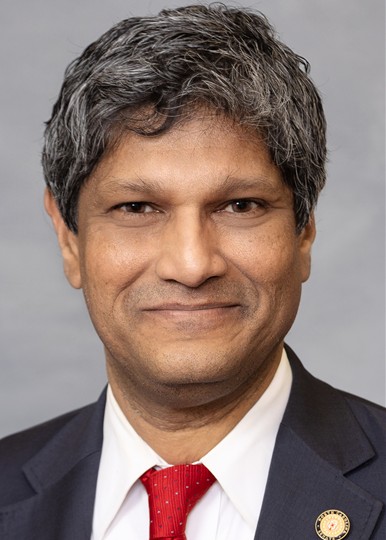
Sen. Jay Chaudhuri
Sponsored bills
Maddy summaryThe Workforce Act of 2026 allocates state funding to modernize education-to-workforce pathways and improve credit transfer for students in North Carolina. A primary provision directs $3.1 million to the ApprenticeshipNC program to support work-based learning and increase employer participation in apprenticeships. The bill also provides $350,000 to the Department of Commerce to create a list of industry-valued credentials and link them to labor market data such as wages and job placement. Additionally, it increases funding for short-term workforce development grants and requires private colleges to be included in the state's common digital transcript system by March 2027.
Maddy summarySB 975 directs the North Carolina Department of State Treasurer to conduct two studies regarding digital assets and remittance costs. The first study will evaluate the feasibility and risks of accepting digital assets, specifically stablecoins, for certain state fees, while the second study will examine ways to reduce transaction costs for residents sending money abroad. The bill explicitly prohibits the state from accepting digital assets for taxes or criminal fines and does not authorize agencies to hold or invest in these assets. A final report with recommendations is due by January 15, 2027, and the legislation appropriates $50,000 to fund these studies.
Maddy summaryThis North Carolina bill prevents public utilities from disconnecting residential service during declared periods of extreme heat, extreme cold, or poor air quality, requiring instead that customers be offered deferred payment plans. It also allows landlords to restrict tenants from installing portable cooling or air filtration devices only under specific conditions, such as when the device violates safety codes, damages the property, or requires electrical capacity that cannot be provided. Additionally, the legislation defines what constitutes an extreme weather or air quality event based on official alerts from agencies like the National Weather Service and the Environmental Protection Agency.
Maddy summaryThis bill requires North Carolina public schools to create policies limiting the use of wireless devices like phones and tablets during instructional time. It mandates that students in kindergarten through fifth grade cannot use any such devices in classrooms, while older students face stricter limits on device usage and access to non-instructional content like social media. To support these restrictions, the legislation appropriates funds to hire one teacher assistant for every classroom serving students in grades K through five. Additionally, the law grants parents the right to opt out of their children being issued wireless devices by the school and ensures that printed materials are used for instruction in elementary and middle schools.
Maddy summaryThis bill establishes the North Carolina-Ireland Trade Commission, a new body designed to strengthen economic and cultural ties between the two regions. The commission will consist of seven members appointed by state leaders, including legislators, business experts, and representatives from Irish-American and higher education communities, with terms lasting three years. Its primary duties include encouraging trade and investment, promoting exchanges in business and culture, and submitting an annual report to the state legislature. The commission will be funded with $10,000 for administrative support starting in the 2026-2027 fiscal year and is required to hold at least two meetings per year.
Maddy summaryThis bill updates the North Carolina Department of Administration's responsibilities for managing state real property and changes how seized vehicles are sold. It requires the department to create a five-year facilities plan to better utilize state-owned buildings and mandates quarterly reports on abandoned or underused properties. Additionally, the bill allows for the expedited sale of seized vehicles with low market value or high storage costs to reduce liability, and it encourages state agencies to use existing state-owned office space instead of leasing new ones.
Maddy summaryThis bill creates a new advisory council and grant program in North Carolina to support high-quality after-school activities for children and youth up to age 18. It establishes the LEAP Advisory Council to guide the Department of Public Instruction on grant criteria, program quality standards, and strategies to serve rural and underserved communities. The legislation also sets up the LEAP Fund, which will be financed by state appropriations, federal funds, private donations, and any legal settlements against social media companies, to distribute grants to eligible community-based organizations and schools. These grants, limited to a maximum of two years per award, must provide structured programs with adult mentors focused on positive youth development rather than basic classroom instruction. The bill ensures that grant funds supplement existing programs and includes requirements for evaluating outcomes such as attendance, skill development, and community engagement.
Maddy summaryThis bill clarifies the legal definition of electric assisted bicycles in North Carolina by categorizing them into three classes based on motor power and speed limits. It authorizes local governments, including cities and counties, to create their own rules regarding where these bikes can be ridden, such as restricting them from sidewalks or setting speed limits on shared paths. While the bill generally allows electric bikes on all roadways, it mandates that riders under 18 wear helmets when using Class 3 bikes and permits cities to require helmets for younger riders on Class 1 and 2 bikes. Additionally, the legislation directs the Department of Transportation to create educational materials about safe e-bike usage and provides funding to support this effort.
Maddy summaryThis North Carolina legislation allows property owners and contractors to hire private construction inspectors if local government departments fail to perform inspections within ten business days. The bill establishes a state registration and certification system for private inspection firms and individuals who verify that buildings meet state building codes. It outlines specific rules for these private inspectors, including requirements for fees, conflict of interest disclosures, and standardized reporting forms. Local agencies are required to accept private certificates of compliance under certain conditions, particularly if they refuse without legal authority. Additionally, the law grants the state Board authority to set minimum standards for public code-enforcement officials and requires agencies to submit data on their employees' training.