

Maddy summaryHB 593 is a procedural amendment that modifies the text of a larger bill containing various local laws for North Carolina. The amendment specifically restructures the formatting of a section regarding the reallocation of $7 million in state funds to Duplin County for a senior resource center and a sheriff's office facility. Additionally, it clarifies the language for a provision that transfers approximately 62 acres of former state quarry land to the City of Monroe for one dollar, noting that the city assumes all costs and risks associated with the property. This change does not alter the substantive policy decisions but adjusts how the bill is written to ensure clarity and compliance with state statutes.
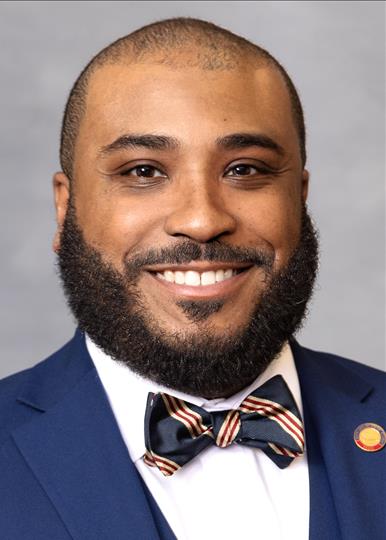
Rep. Terry Brown
Sponsored bills
Maddy summaryThis bill amends the state constitution to eliminate the literacy test requirement for voting. By removing this specific provision, the legislation ensures that all eligible citizens can vote regardless of their reading or writing abilities. The change directly affects voters who previously might have been disenfranchised by this barrier. It does not alter other voting qualifications or the overall structure of the election process.
Maddy summaryHB 1042 establishes a reimbursement program in North Carolina to help cover veterinary expenses for retired law enforcement and correctional dogs. To qualify, the dogs must have served in official capacities such as detection, apprehension, or search and rescue and hold certification from a national organization. Owners can apply for up to $1,500 annually for essential care like check-ups, vaccinations, emergency surgeries, and euthanasia, but not for elective procedures. The Department of Public Safety will manage a dedicated fund, initially seeded with $300,000, to process these claims and maintain records. The law applies to dogs retiring on or after July 1, 2024, and allows owners to participate voluntarily without affecting any other existing benefits.
Maddy summaryThis North Carolina bill establishes a legal mechanism to hold manufacturers of per- and polyfluoroalkyl substances (PFAS) financially responsible for cleaning up contaminated drinking water. It defines "responsible parties" as companies that produce PFAS chemicals and orders them to pay for the actual costs public water systems incur to remove or fix contamination that exceeds safety limits. If a manufacturer refuses to pay, the state can take legal action in court to enforce the order, and the bill allows water systems to lower future customer rates if they recover these costs. The legislation also creates a special fund with initial funding to support implementation and requires the state to report annually on how these funds and enforcement orders are used.
Maddy summaryHB 935 reorganizes the Advisory Council on Rare Diseases in North Carolina by moving it from the University of North Carolina at Chapel Hill to the Department of Health and Human Services. The bill establishes a 19-member council composed of physicians, researchers, patient advocates, industry representatives, and other stakeholders to advise state leaders on rare disease research, diagnosis, treatment, and education. Key provisions include setting specific term lengths for members, providing administrative support and funding for the council's operations, and requiring annual reports on council activities and recommendations.
Maddy summaryThis bill amends the charter of the Town of Pineville to allow the town council to pay members of its auxiliary police division when they are called to active duty. Under the new provision, the council would have the authority to set the specific amount of compensation for these services. The change directly affects the town's budget and the auxiliary police officers who serve in a reserve capacity.