

Maddy summaryHB 153 increases vehicle safety and emissions inspection fees in North Carolina, directly affecting vehicle owners who require these inspections. The bill raises the safety inspection fee from $12.75 to $13.75, emissions/safety from $23.75 to $24.75, and authorization fees proportionally, effective October 1, 2025. It specifies these are maximum allowable fees (inspection stations may charge less) and maintains existing rules for re-inspections after failure within 60 days. The bill does not create new requirements or studies but modifies fee structures for vehicle safety and emissions compliance.
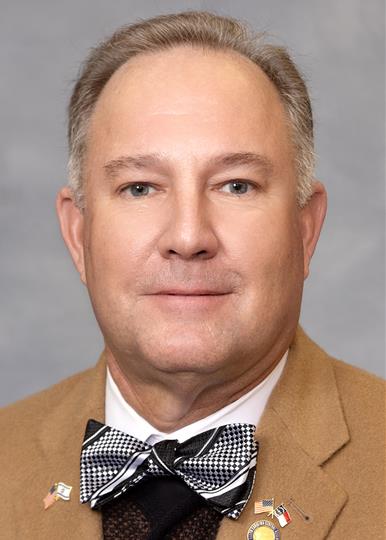
Rep. Jeff McNeely
Sponsored bills
Maddy summaryHB 264, the Wire Fraud Prevention Act, requires banks to verify payment orders through specific security procedures (like verbal checks with customers and beneficiaries) before processing transfers. It mandates that banks refund full amounts for unauthorized payments within 90 days of notification, or 25% within 30 days for certain cases, while customers must report issues promptly to avoid losing interest. The law also obligates beneficiary banks to pay recipients within specific timeframes (including delaying full payment for new accounts over $100,000) and notify recipients of payment receipts by midnight the next business day. This directly affects banks handling wire transfers and their customers, with changes taking effect October 1, 2025.
Maddy summaryHB 800 directs North Carolina's Department of Health and Human Services to study the effectiveness of state child care programs like NC Pre-K and Smart Start, including funding allocation and quality rating systems, with findings due by April 2026. It also allocates $10 million for a pilot program that automatically enrolls preschool-age children (8 weeks-5 years) of full-time licensed child care teachers in state subsidy programs, provided teachers commit to completing early childhood education coursework within 18 months. The pilot targets counties with the highest historical child care capacity loss, requires centers to accept standard subsidy rates without extra fees, and mandates quarterly participation reports starting in 2026. This directly affects licensed child care teachers and their preschool children, aiming to improve child care access and workforce retention.
Maddy summaryHB 794 mandates the North Carolina State Highway Patrol to study and develop recommendations on four specific areas: overall and regional staffing needs, and overall and rank-specific salary scales. The study requires the Patrol to assess staffing requirements based on state and regional needs, along with salary structures for all ranks. The Patrol must submit findings and recommendations to relevant legislative committees by March 1, 2026. This bill is procedural and does not enact new policies or funding; it solely requires a study to inform future legislative decisions.
Maddy summaryHB 791, the Women's Safety and Protection Act, defines "biological sex" (based on physical characteristics at birth) and "gender" in North Carolina law and mandates that single/multiple occupancy restrooms, changing facilities, and sleeping quarters in state-funded facilities (including public schools, prisons, domestic violence centers, and juvenile facilities) be designated for use by one biological sex at a time. The bill requires facilities to have policies ensuring only one biological sex uses these spaces simultaneously, with exceptions for family use, maintenance, medical emergencies, or safety threats. It specifically prohibits students from sharing sleeping quarters with individuals of another biological sex in public schools unless family members or with parental permission. The law applies to all covered facilities receiving state funds, including public schools and domestic violence centers, and subjects its provisions to "intermediate scrutiny" under constitutional review.
Maddy summaryHB 774 ("School Breakfast for All") mandates that all North Carolina public schools (pre-K through 12) provide free breakfast to every student, eliminating costs for families. It establishes a Farm-to-Table Initiative requiring schools to partner with local farmers for fresh, locally sourced ingredients in breakfast meals. The bill allocates $39 million in recurring state funds for the 2025-2026 fiscal year to cover program costs, while requiring annual reports on participation rates, costs, and impacts on student health and academic performance. This directly affects all public school students, school districts, and North Carolina agricultural producers.
Maddy summaryHB 776, the North Carolina Religious Freedom Restoration Act, requires state and local governments to apply strict scrutiny before restricting religious practices. It protects religious gatherings in places of worship, homes, and neighborhoods from neutral laws or regulations that incidentally burden faith, such as housing rules or emergency orders. The law defines a "burden" as any government action limiting religious exercise (including withholding benefits or imposing penalties) and mandates that such restrictions must serve a compelling government interest through the least restrictive means. It explicitly does not affect constitutional protections against government establishment of religion or alter existing housing nondiscrimination laws.
Maddy summaryHB 780 appropriates $2 million to expand the All Pro Dad program in North Carolina through Family First, Inc., funding school-based chapters, father-child engagement events, and parenting resources. It also creates the "Responsible Fatherhood NC" program under the Department of Health and Human Services, requiring a nonprofit manager to run a statewide media campaign, provide father-focused resources, and promote existing fatherhood initiatives. The bill directs grants to community organizations addressing fathers' needs - such as employment, child support, and parenting skills - with priority given to areas facing high unemployment, incarceration, or single-parent households. The program directly supports North Carolina fathers and their children, aiming to improve family well-being through increased paternal involvement.
Maddy summaryHB 71, the Respiratory Care Modernization Act, updates North Carolina's laws governing respiratory care practice. It creates a new "Advanced respiratory care practitioner" (ARCP) category for licensed professionals with postgraduate training, requiring Board-endorsed competency for advanced procedures. The bill clarifies that ARCPs cannot diagnose, prescribe, or perform invasive procedures without physician supervision, while defining their scope to include cardiopulmonary care and tasks delegated by physicians. This directly affects respiratory care practitioners and patients by standardizing advanced practice rules and ensuring procedures align with current professional standards. The changes aim to reflect modern respiratory care practices without altering basic licensing requirements.
Maddy summaryHB 716 modifies North Carolina's bail bond laws to clarify when a bail bond forfeiture can be overturned. It directly affects defendants, bail bondsmen (sureties), and courts by adding specific requirements for setting aside forfeitures related to defendant incarceration. The key provision requires that if a defendant is held in any U.S. jail or prison during a failure to appear, the jail must notify the local district attorney in writing (via hand delivery, electronic filing, or certified mail) and provide proof the defendant remained incarcerated for 10 days after notification. This replaces vague prior language with clear, documented procedures for bondsmen to avoid liability when defendants are incarcerated. The bill does not change bail amounts or eligibility but streamlines how forfeitures are resolved in cases of incarceration.