

Maddy summaryHB 1201 creates a temporary pilot program within the Department of Health and Human Services to place high-needs youth in safer, lower-level settings instead of overcrowded emergency rooms or social service offices. The bill authorizes the department to seek waivers that allow experienced providers to operate with simplified approval processes and introduces clinical exception pathways to reduce hesitation in admitting these youth. Additionally, the legislation mandates a study by October 1, 2026, to evaluate the pilot's success and recommend reforms on provider licensure, emergency admission flexibility, and youth reintegration outcomes. To fund these initiatives, the bill appropriates $100,000 from the General Fund for the 2026-2027 fiscal year.
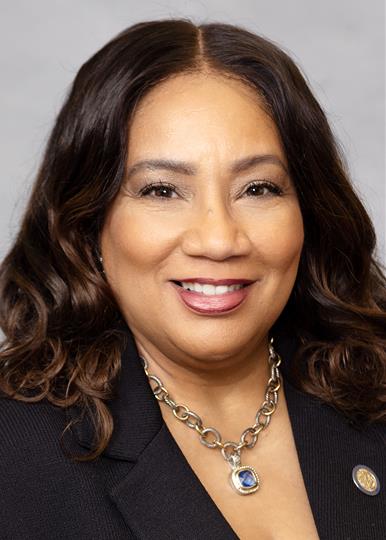
Rep. Amber Baker
Sponsored bills
Maddy summaryHB 1209 appropriates $1 million in recurring state funds starting in the 2026-2027 fiscal year to expand the North Carolina New Teacher Support Program. The money is directed to the University of North Carolina Board of Governors to provide embedded instructional coaching and professional development for beginning teachers within local school districts. Key provisions include partnering with teacher training programs to extend support after graduation, aligning coaching with evidence-based practices, and prioritizing high-need rural areas to help retain new educators. This legislation aims to create a more coherent system for teacher development by connecting pre-service training with ongoing in-district support.
Maddy summaryThis bill appropriates $1 million in nonrecurring funds for the 2026-2027 fiscal year to help Forsyth County and the City of Winston-Salem build a shared emergency operations center. The money will be given as a grant to the county to improve how the city and county coordinate their responses during emergencies. The legislation becomes effective on July 1, 2026, and does not include any conditions on how the funds must be spent beyond supporting the creation of the joint facility.
Maddy summaryThis bill allocates state funding to help a nonprofit organization in Winston-Salem convert an abandoned industrial building into a community center. Specifically, it provides a one-time grant of $210,800 from the General Fund to Bodegas Alvarado, Inc. for the 2026-2027 fiscal year. The funds are intended to support the renovation of the site for multiple uses, such as recreation and sports activities for the community. The legislation takes effect on July 1, 2026.
Maddy summaryThis bill creates a new advisory council and grant program in North Carolina to support high-quality after-school activities for children and youth up to age 18. The legislation establishes a dedicated fund that will receive state appropriations, federal money, private donations, and any future legal settlements from social media companies, with the Department of Public Instruction managing the distribution of these funds. Eligible organizations, such as community groups and schools, can apply for grants to run structured programs that focus on positive youth development, provided they serve rural or underserved areas and meet specific quality standards. The program includes a two-year limit on individual grants, requires regular evaluation of participant outcomes, and allows for renewal based on performance, while ensuring that new funding supplements rather than replaces existing resources.
Maddy summaryThis bill allocates $200 million in recurring state funds to expand access to the North Carolina Pre-K program for all income-eligible four-year-olds. The additional money is directed to the Department of Health and Human Services to ensure these children can participate in the program starting in the 2026-2027 fiscal year. The legislation becomes effective on July 1, 2026, and does not alter existing eligibility criteria or program requirements.
Maddy summaryHB 1178, known as the NC Teacher Pay Competitiveness Act, establishes a permanent salary increase plan for public school teachers in North Carolina to help the state compete with neighboring regions. The bill creates a new salary schedule that begins in the 2026-2027 school year and mandates annual raises of 3.67% until 2033, after which increases will be tied to federal employment cost data. Additionally, the legislation provides specific monthly bonuses for teachers with advanced certifications or degrees and adjusts funding for the Opportunity Scholarship program.
Maddy summaryThis bill aims to improve support for people with intellectual and developmental disabilities in North Carolina through three main changes. It mandates a minimum wage increase of $18 per hour for direct care workers by raising Medicaid reimbursement rates for providers and facilities, with funds appropriated starting in fiscal year 2026-2027. Additionally, the legislation adds at least 1,000 slots to the state's Medicaid waiver program and requires the creation of a ten-year plan to address unmet service needs. Finally, it seeks to remove income and asset limits for the state's Medicaid buy-in program for workers with disabilities, allowing more individuals to qualify for coverage regardless of their earnings or savings.
Maddy summaryThis North Carolina bill appropriates approximately $1.3 million from the state's General Fund to the Department of Health and Human Services for the 2026-2027 fiscal year. The funds are designated to expand access to Teen Mental Health First Aid and Youth Mental Health First Aid training programs across the state. These training courses are designed to teach high school students how to recognize signs of mental health and substance use challenges among their peers and connect them with support. The legislation takes effect on July 1, 2026.
Maddy summaryHB 1141 allocates over one billion dollars in state funding to adjust Medicaid payments for North Carolina starting in 2025, ensuring the program can cover rising costs and new services. The bill also permits Medicaid managed care plans to create exclusive networks of providers specifically for research-based behavioral health treatments, while requiring all other essential services to remain available to all providers in the area. Additionally, the legislation removes specific rules that could cause people enrolled in Medicaid expansion to lose their coverage, thereby stabilizing access to care for this population.