

Maddy summaryHouse Bill 433 allows licensed registered nurses (RNs) to serve as school nurses in North Carolina public schools. The bill prohibits the State Board of Education from requiring a four-year degree for school nurse employment. It specifies that RNs with at least two years of experience in a hospital or health clinic can work as school nurses without needing additional certifications or licenses. These qualified registered nurses will be paid under the certified school nurse pay scale.
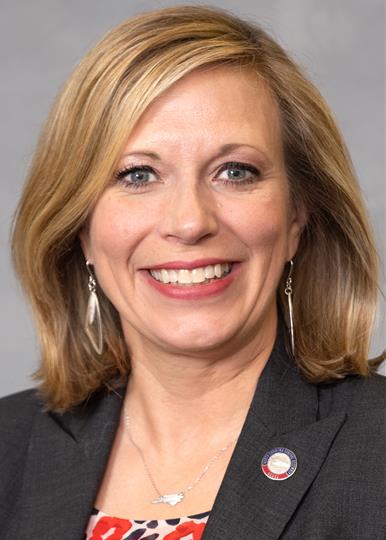
Rep. Sarah Crawford
Sponsored bills
Maddy summaryHB 1191, titled the Fostering Care in NC Act 2026, introduces several changes to how North Carolina handles cases involving juveniles and child welfare. The bill increases privacy protections by sealing court records in abuse and neglect cases and clarifying who can access them. It also updates procedures for expunging names from the responsible individuals list and requires courts to schedule permanency planning hearings within 30 days. Additionally, the act mandates that siblings be placed together whenever possible and ensures counties communicate before transferring cases to improve coordination on care and financial support.
Maddy summaryHB 1179 modifies North Carolina's property tax relief programs to help seniors and disabled homeowners by allowing them to combine two existing benefits and removing a strict income cutoff that previously denied aid to those just above the limit. The bill introduces a gradual phaseout for the elderly homestead exclusion, reducing benefits by 3.33% for every 1% of income earned above 55% of the state median, while also permitting eligible owners to stack this relief with the circuit breaker program. Additionally, the legislation clarifies rules for seniors living in shared or inherited properties to ensure they can receive full relief if no other non-spouse owner resides there. To offset the increased costs for local governments, the bill requires the state to reimburse counties for revenue losses and provides funding to support more frequent property tax reappraisals.
Maddy summaryThis bill requires local public school districts and charter schools in North Carolina to allow students with disabilities who attend private schools to enroll part-time in public programs. It mandates that schools create written policies permitting these students to access specific courses, services, or specialized education while remaining enrolled in their nonpublic schools. Additionally, the legislation clarifies that part-time students will not count toward a charter school's official enrollment growth numbers and provides $10,000 in funding to help schools cover the administrative costs of implementing these changes.
Maddy summaryThis bill authorizes the North Carolina Division of Motor Vehicles to issue a special "Red Wolf" license plate for vehicle owners who wish to support the conservation of this native species. The plates will feature an image of a red wolf and carry an additional $30 fee, with specific portions of those funds directed to the North Carolina Wildlife Resources Commission for conservation, research, and habitat restoration efforts. To help launch the program, the state has appropriated $15,000 for plate design and production, while North Carolina State University is tasked with promoting the plate to its campus community and will report on its marketing efforts by September 2027.
Maddy summaryThis bill creates a new advisory council and grant program in North Carolina to support high-quality after-school activities for children and youth up to age 18. The legislation establishes a dedicated fund that will receive state appropriations, federal money, private donations, and any future legal settlements from social media companies, with the Department of Public Instruction managing the distribution of these funds. Eligible organizations, such as community groups and schools, can apply for grants to run structured programs that focus on positive youth development, provided they serve rural or underserved areas and meet specific quality standards. The program includes a two-year limit on individual grants, requires regular evaluation of participant outcomes, and allows for renewal based on performance, while ensuring that new funding supplements rather than replaces existing resources.
Maddy summaryThis bill establishes a paid bereavement leave program for state employees, public school staff, and community college workers in North Carolina, effective July 1, 2026. It grants up to 40 hours of paid time off for the death of an immediate family member and up to eight hours for the death of a colleague who worked at the same agency within the past year. The legislation requires employees to provide documentation of the death and mandates that leave for family members be used within 180 days, while also allocating $2 million from the state budget to fund these benefits.
Maddy summaryThis bill allocates $200 million in recurring state funds to expand access to the North Carolina Pre-K program for all income-eligible four-year-olds. The additional money is directed to the Department of Health and Human Services to ensure these children can participate in the program starting in the 2026-2027 fiscal year. The legislation becomes effective on July 1, 2026, and does not alter existing eligibility criteria or program requirements.
Maddy summaryHB 1178, known as the NC Teacher Pay Competitiveness Act, establishes a permanent salary increase plan for public school teachers in North Carolina to help the state compete with neighboring regions. The bill creates a new salary schedule that begins in the 2026-2027 school year and mandates annual raises of 3.67% until 2033, after which increases will be tied to federal employment cost data. Additionally, the legislation provides specific monthly bonuses for teachers with advanced certifications or degrees and adjusts funding for the Opportunity Scholarship program.
Maddy summaryThis bill aims to improve support for people with intellectual and developmental disabilities in North Carolina through three main changes. It mandates a minimum wage increase of $18 per hour for direct care workers by raising Medicaid reimbursement rates for providers and facilities, with funds appropriated starting in fiscal year 2026-2027. Additionally, the legislation adds at least 1,000 slots to the state's Medicaid waiver program and requires the creation of a ten-year plan to address unmet service needs. Finally, it seeks to remove income and asset limits for the state's Medicaid buy-in program for workers with disabilities, allowing more individuals to qualify for coverage regardless of their earnings or savings.