

Maddy summaryHB 941 expands North Carolina's Teaching Fellows Program to address teacher shortages by providing forgivable loans to students pursuing teaching careers in high-need areas like special education, STEM, elementary education (K-6), and specific secondary subjects. The bill establishes a Trust Fund to cover loan amounts (up to $12,000 annually for up to four years), administrative costs, mentorship, and extracurricular programs like summer initiatives and alumni engagement. It requires selected colleges to meet strict standards, including high graduate effectiveness rates, alignment with "Science of Reading" training for elementary programs, and diverse school practicum opportunities. The program directly affects prospective teachers enrolled at up to 14 approved institutions of higher education who commit to teaching in qualifying licensure areas across North Carolina public schools.
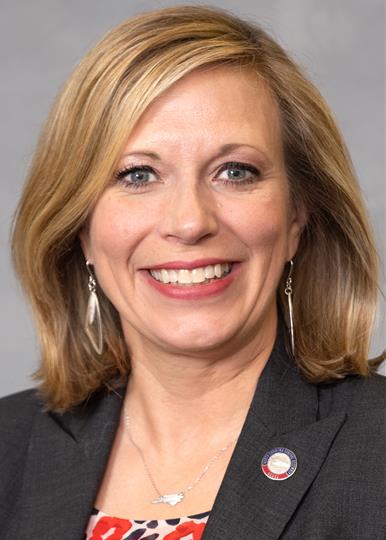
Rep. Sarah Crawford
Sponsored bills
Maddy summaryHB 911 requires North Carolina local school boards to create and publicly share experience-based salary schedules for full-time occupational and physical therapists employed in public schools, ensuring these pay scales align with existing noncertified education salary ranges. For the 2025-2026 school year, therapists must receive at least the higher of their current salary or the new schedule amount, plus a monthly supplement equal to 10% of a teacher's salary for five additional years plus $350. School boards must also submit annual workforce reports detailing therapist staffing levels, contractor use, and vacancies to the state education department. The bill directly affects school-employed therapists and local school boards, with supplements contingent on legislative funding.
Maddy summaryHB 974 requires North Carolina's Department of Health and Human Services (DHHS) to study how hospice care facilities handle complaints from patients and families. The study will analyze complaint data, engage hospice administrators and care associations, and identify common issues and best practices for improving complaint procedures, investigations, communication, and family involvement. DHHS must submit findings and recommendations to legislative committees by April 2026, focusing on actionable steps for hospice facilities to enhance accountability. This bill does not change current laws but mandates a review to inform future policy.
Maddy summaryHB 397 allows schools in North Carolina to use epinephrine nasal spray as an emergency treatment option alongside traditional auto-injectors for students experiencing anaphylaxis. The bill amends school health policies to include nasal spray devices in the definition of "epinephrine auto-injector delivery systems," requiring all schools to maintain at least two emergency epinephrine supplies (now including nasal spray) in secure but accessible locations. Schools must train staff to recognize anaphylaxis symptoms, store devices properly, and follow emergency action plans developed with school nurses. This applies to public schools, charter schools, and regional schools starting in the 2025-2026 school year. The policy directly affects school staff, students with severe allergies, and school health protocols.
Maddy summaryHB 842 clarifies that North Carolina public schools may conduct vision, hearing, dental, and developmental screenings for students without requiring parental consent, but must notify parents at the start of each school year about all screenings offered and provide results for their child. This bill directly affects parents of students in public schools across North Carolina, particularly for kindergarten through third grade as noted in the bill text. Key provisions require schools to provide written notice of screenings and results to parents (instead of seeking consent for each screening), while maintaining existing requirements for other health services that do require consent. The law updates school health screening procedures under North Carolina General Statutes § 115C-76.46.
Maddy summaryHB 861 requires pregnancy centers in North Carolina receiving state funds through the Carolina Pregnancy Care Fellowship (CPCF) to participate in a competitive grant process. It mandates detailed applications covering staff credentials, services offered (including medical testing and ultrasounds), equipment use, and advertising practices, along with annual reporting on client demographics (by age, race, income), services provided, and fund expenditures. The bill sets strict limits on administrative spending (10-15% of funds) and requires all grant funds to be used for nonsectarian purposes only. This directly affects nonprofit pregnancy centers receiving state funding under CPCF, requiring them to disclose operational details and report service outcomes to state agencies.
Maddy summaryHB 863 appropriates $582 million in state funds to address unmet recovery needs in Western North Carolina following Hurricane Helene. It directly affects residents and businesses in the impacted area by funding affordable housing repairs, disaster-related home improvements, business grants, park restoration, flood protection, and emergency services. Key provisions include $105 million for local housing grants (covering repairs, homelessness assistance, and mortgage help), $75 million for stream restoration and food banks, and a $75,000 business grant program for eligible companies with sales tax declines. The funds are distributed across state agencies like Housing Finance, Agriculture, and Public Safety to support physical recovery and economic stabilization.
Maddy summaryHB 840 modifies North Carolina's school grading system to provide separate "achievement" and "growth" scores for all public schools, replacing a single combined score. Achievement grades reflect current student performance (based on test scores, graduation rates, and proficiency), while growth grades measure how much students improved over time using the EVAAS system. Schools earn an overall performance grade combining 80% achievement and 20% growth scores, displayed on school websites and report cards. This affects all North Carolina public schools (K-12), their administrators, and parents, who will receive detailed grade breakdowns for each school annually. The bill does not create new funding rewards but changes how school performance is measured and reported.
Maddy summaryHB 868 requires North Carolina law enforcement to use confirmatory lab tests before relying on field drug tests for arrests or convictions related to drug possession. It mandates that colorimetric field drug tests alone cannot establish probable cause for arrest, initiate charges, lead to conviction, or influence sentencing after January 1, 2026. Law enforcement must adopt policies ensuring cases without a lab-confirmed result lead to release (via citation or written promise to appear) rather than continued detention. The bill directly affects all North Carolina law enforcement agencies and prosecutors handling drug possession cases under G.S. 90-95(a)(3), requiring them to implement these changes by 2026.
Maddy summaryHB 266 designates June 12th of each year as Women Veterans Day in North Carolina. The bill directly affects North Carolinians by establishing an annual state observance to recognize women veterans' service. It adds this date to North Carolina's official calendar through a simple statutory change in Chapter 103 of the General Statutes, requiring no new funding or administrative implementation. The bill creates a ceremonial recognition without altering existing veteran benefits or programs.