

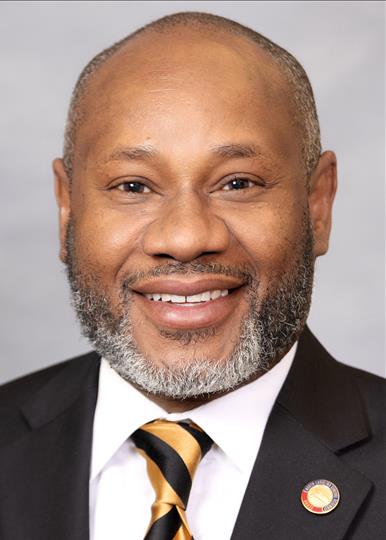
Photo of Amos Quick
D North Carolina House · District 58 On the 2026 ballot

Rep. Amos Quick

Compare
Total votes
2,369
all sessions
Attendance
90%
235 missed
Near the chamber average
With party
96%
of cast votes
Near the chamber average
Bipartisan score
3%
crosses aisle rarely
Near the chamber average
Sponsored
1,019
bills & resolutions
Near the chamber average
Committees
8
assignments
1,019 bills and resolutions

Sponsored bills

Total
1,019
Primary
62
Co-sponsor
957
This page
1,019
matching current filters
Co-sponsor HB 1076
In committee · North Carolina House · Co-sponsor
The Innovations Waitlist Reduction Act.

Maddy summaryThis bill expands access to North Carolina's Innovations waiver for families with children who have significant medical needs by adding 6,635 new slots and funding them with $240 million starting in 2026. It also modifies the Opportunity Scholarship Program to prioritize students from lower-income households by capping eligibility at 200% of the federal free lunch income threshold and adjusting grant amounts based on family income levels. To support these changes, the legislation reduces the overall scholarship fund by $240 million while simultaneously directing substantial recurring funding to the program's reserve for the next 15 years.

In committee Apr 29, 2026 1 co-sponsor
Co-sponsor HB 1055
In committee · North Carolina House · Co-sponsor
Guilford Technical Community College Aviation Center Expansion.

Maddy summaryThis legislation allocates $1.8 million in state funds to Guilford Technical Community College for the expansion of its Aviation Center. The money is drawn from the General Fund and is intended for capital expenses associated with the project during the 2026-2027 fiscal year. These funds will remain available until spent and are set to take effect on July 1, 2026.

In committee Apr 28, 2026 1 co-sponsor
Co-sponsor HB 1063
In committee · North Carolina House · Co-sponsor
Ratepayer and Resource Protection Act.

Maddy summaryHB 1063 establishes new regulations for large-scale data centers in North Carolina to protect utility customers and local resources. The law defines a large data center as a facility requiring 40 megawatts of electricity or consuming over a billion liters of water annually. Operators must obtain a certificate of operation and submit detailed disclosures regarding their energy and water usage before construction begins. Facilities are required to generate at least 25% of their power on-site using clean energy and pay full costs for any infrastructure upgrades needed to serve them. Additionally, the bill limits state and local incentives for these facilities to prevent shifting utility costs to residential and small business customers.

In committee Apr 28, 2026 1 co-sponsor
Co-sponsor HB 1056
In committee · North Carolina House · Co-sponsor
Relieving Housing Bottlenecks.

Maddy summaryHB 1056 aims to increase housing supply in North Carolina by allowing residential construction in commercial zones and banning minimum parking requirements for new developments. The bill also creates a state program to reimburse local governments for costs associated with speeding up housing permit reviews and provides additional funding to the state housing finance agency. These measures are designed to reduce regulatory barriers that currently limit the number of homes being built and help address rising housing costs.

In committee Apr 28, 2026 1 co-sponsor
Primary HB 1053
In committee · North Carolina House · Lead sponsor
Additional Funding for School Supplies.

Maddy summaryHB 1053 directs the North Carolina General Assembly to allocate additional state funds to the Department of Public Instruction for classroom supplies and equipment. Starting in the 2026-2027 school year, the bill provides $28.6 million, with further increases of $15.1 million and $22.6 million planned for the 2027-2028 and 2028-2029 fiscal years respectively. These recurring funds are intended to increase the specific allotment given to schools for instructional materials and equipment. The legislation becomes effective on July 1, 2026.

In committee Apr 28, 2026 0 co-sponsors
Co-sponsor HB 1045
In committee · North Carolina House · Co-sponsor
Fair Wages in Health Care Act/Funds.

Maddy summaryHB 1045, known as the Fair Wages in Health Care Act, establishes minimum hourly wages for five specific direct care occupations in North Carolina: home care aides, direct support professionals, certified nursing assistants, psychiatric aides, and licensed practical nurses. The bill sets wage floors ranging from $18 to $24 per hour depending on the role, with protections against employers using different job titles to avoid paying the required rates. To help healthcare providers meet these new costs, the Department of Health and Human Services must adjust reimbursement rates for publicly funded programs and update contracts with managed care organizations. The law takes effect on October 1, 2027, and applies to all employers in the state, regardless of whether they are public or private entities.

In committee Apr 28, 2026 1 co-sponsor
Co-sponsor HB 1059
In committee · North Carolina House · Co-sponsor
Fair Minimum Wage Act.

Maddy summaryHB 1059 establishes a new state minimum wage of $15.00 per hour in North Carolina, which will automatically increase each year based on inflation starting in 2027. The bill creates the North Carolina Wage Board to review wage competitiveness and allows local governments to set their own higher minimum wages if they choose. It also introduces a short-time compensation program to help businesses manage layoffs during economic downturns and sets a lower minimum wage of $11.00 for small businesses with annual revenue under $400,000. Additionally, the legislation maintains existing provisions for subminimum wages for students, individuals with disabilities, and seasonal food service workers while clarifying rules around tip credits and pooling.

In committee Apr 28, 2026 1 co-sponsor
Co-sponsor HB 1057
In committee · North Carolina House · Co-sponsor
Affordable Food Act.

Maddy summaryHB 1057, known as the Affordable Food Act, aims to improve food security in North Carolina by expanding access to nutritious food and supporting local agriculture. The bill authorizes the state to request a federal waiver to create a program that matches SNAP benefits for purchases of fruits, vegetables, and other healthy foods at retailers and farmers markets. It also allocates state funding to administer these incentive programs and covers potential administrative losses due to recent federal changes to SNAP. Additionally, the legislation seeks to protect agricultural land from development and prohibits dynamic pricing in grocery stores to stabilize food costs.

In committee Apr 28, 2026 1 co-sponsor
Co-sponsor HB 1020
In committee · North Carolina House · Co-sponsor
Personal Education Student Account Class Aides and Children of Wartime Veterans Funds.

Maddy summaryThis bill allows parents of students in private schools to use their education savings accounts to pay for one-on-one classroom aides, provided the aide is not a family member or school employee. It also updates the rules for these accounts by clarifying which specific services and expenses are eligible for funding and which are not. The legislation further allocates state funds to increase scholarship amounts for children of wartime veterans and to create new scholarships for them starting in the 2026-2027 school year. These changes apply to the North Carolina Personal Education Student Account program and the Children of Wartime Veterans Scholarship Program.

In committee Apr 22, 2026 1 co-sponsor
Co-sponsor HB 1017
In committee · North Carolina House · Co-sponsor
Sound Basic Education for Every Child.

Maddy summaryHB 1017 aims to improve teacher quality and availability in North Carolina by creating new roles, funding recruitment programs, and launching studies to address workforce challenges. The bill directs the state to develop a comprehensive plan for reforming teacher licensing and compensation to attract more educators, while also studying how to better prepare and graduate 5,000 in-state teachers annually. Significant funding is allocated to support existing and new teacher recruitment initiatives, such as "Grow-Your-Own" programs and the Teaching Fellows loan program, specifically targeting high-need schools and subjects like special education and STEM. Additionally, the legislation mandates a study to coordinate recruitment efforts between universities and local school districts to ensure a more efficient statewide system.

In committee Apr 22, 2026 1 co-sponsor
Showing 51 to 60 of 1,019 bills
Previous 1 … 5 6 7 … 102 Next