

Maddy summaryThis North Carolina bill appropriates approximately $1.3 million from the state's General Fund to the Department of Health and Human Services for the 2026-2027 fiscal year. The funds are designated to expand access to Teen Mental Health First Aid and Youth Mental Health First Aid training programs across the state. These training courses are designed to teach high school students how to recognize signs of mental health and substance use challenges among their peers and connect them with support. The legislation takes effect on July 1, 2026.
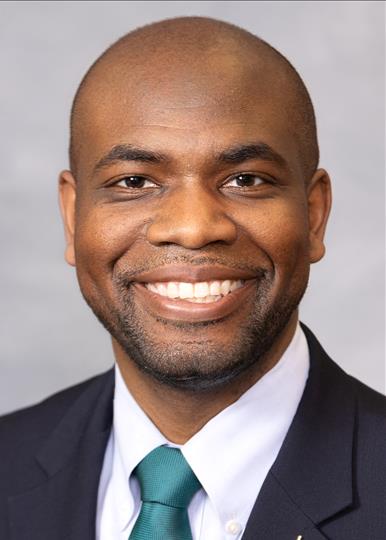
Rep. Allen Buansi
Sponsored bills
Maddy summaryHB 1141 allocates over one billion dollars in state funding to adjust Medicaid payments for North Carolina starting in 2025, ensuring the program can cover rising costs and new services. The bill also permits Medicaid managed care plans to create exclusive networks of providers specifically for research-based behavioral health treatments, while requiring all other essential services to remain available to all providers in the area. Additionally, the legislation removes specific rules that could cause people enrolled in Medicaid expansion to lose their coverage, thereby stabilizing access to care for this population.
Maddy summaryThis bill reduces the amount low-income families must pay for state-subsidized child care in North Carolina starting in October 2026. It lowers the required parent contribution from 10% of gross family income to 7%, with specific adjustments for part-time and blended-rate care. To fund this reduction, the state will allocate $25 million from the General Fund to the Department of Health and Human Services beginning in the 2026-2027 fiscal year. The legislation takes effect on July 1, 2026, and applies to families currently participating in the child care subsidy program.
Maddy summaryHB 1133 aims to support Historically Black Colleges and Universities (HBCUs) and other minority-serving institutions in North Carolina through three main actions. First, it establishes a temporary committee to study the physical condition of HBCU buildings, including safety risks, age, and maintenance needs, with a report due in early 2027. Second, it creates a permanent financial aid program for students at specific UNC constituent institutions, providing up to $1,000 per year to help cover costs for those who need financial assistance to graduate on time. Third, the bill allocates nonrecurring funds in the 2026-2027 fiscal year for specific infrastructure repairs and renovations at Winston-Salem State University.
Maddy summaryHB 1146 establishes the 2026 Governor's Budget for North Carolina by allocating specific funding amounts to state departments, institutions, and agencies for the 2025-2027 fiscal biennium. The bill directly affects public education, health and human services, agriculture, justice, and general government entities by setting their operational budgets for the upcoming fiscal year. Key provisions include detailed dollar amounts for various programs, such as funding for public instruction, university operations, and health services, while also allowing for savings to revert to the state fund if not fully utilized. This legislation provides the financial framework necessary for state agencies to carry out their mandated duties and services during the specified period.
Maddy summaryHB 1138, known as the Aging With Dignity Act, aims to improve long-term care for older North Carolinians by prioritizing home-based services over institutional care for Medicaid beneficiaries aged 55 and older. The bill mandates that institutional placement be the exception rather than the rule, requiring documented medical justification and regular reassessments to ensure individuals remain in the most integrated setting possible. It also establishes a requirement for periodic medication reviews to prevent adverse drug interactions and reduce hospitalizations, while integrating behavioral health services into geriatric care plans. Additionally, the legislation appropriates funds for strategic investments in the state's aging infrastructure and reestablishes a study commission to address the needs of the growing senior population.
Maddy summaryThis North Carolina legislation aims to reduce healthcare expenses and boost competition by adding a low-cost plan option to the state's insurance marketplace. It establishes a purchasing consortium for public entities to negotiate better rates and allocates funds for chronic disease prevention initiatives. The bill also removes regulatory barriers for rehabilitation facilities and limits hospital consolidation to maintain market diversity. These provisions impact residents seeking coverage, public employers, healthcare providers, and hospital systems within the state.
Maddy summaryHB 1167 establishes the 2026 Governor's Budget for North Carolina by providing specific funding amounts to state departments, institutions, and agencies for their current operations. The bill directly affects a wide range of public services, including education, health and human services, agriculture, justice, and general government functions. Key provisions include allocating funds for public schools, universities, healthcare programs, and law enforcement, with detailed dollar amounts specified for each fiscal year of the 2025-2027 biennium. Any unused funds from these appropriations will revert to the appropriate state funds at the end of the fiscal year.
Maddy summaryHB 1082, titled the Tax Relief for Working Families Act, would reinstate North Carolina's state Earned Income Tax Credit for families with children. The bill establishes a refundable tax credit equal to 5% of the federal credit amount claimed by eligible taxpayers, with a specific provision for the 2013 tax year that sets the rate at 4.5%. If the calculated credit exceeds the taxpayer's state tax liability, the difference is refunded to them. Although the legislation includes a sunset clause that would repeal the credit after the 2013 tax year, the act is scheduled to take effect for taxable years beginning on or after January 1, 2026.
Maddy summaryThis bill reduces the cost for North Carolina public school teachers to purchase credit for their military service. Under the new provision, eligible veterans would only need to pay 25% of the usual cost, while the state would cover the remaining 75% through general appropriations. The law applies to full-time employees of the Teachers' and State Employees' Retirement System who served in the U.S. Armed Forces and allows them to buy up to four years of service credit. These changes would take effect on July 1, 2027, for any service credit purchases made on or after that date.