

Maddy summaryThis bill, known as the Mike Clampitt 1st Responder Tax Fairness Act, aims to expand tax exemptions for volunteer fire departments and rescue squads in North Carolina. Specifically, it allows these independent groups, which have two or fewer paid employees and are already exempt from state income tax, to avoid paying a highway use tax on specific emergency vehicles like fire trucks, forest firefighting units, and other emergency service vehicles. The change applies to vehicles when a certificate of title is issued on or after July 1, 2026, ensuring these organizations can acquire necessary equipment without incurring this particular tax. By broadening the existing exemption, the legislation directly benefits volunteer responders who operate outside of local government units.
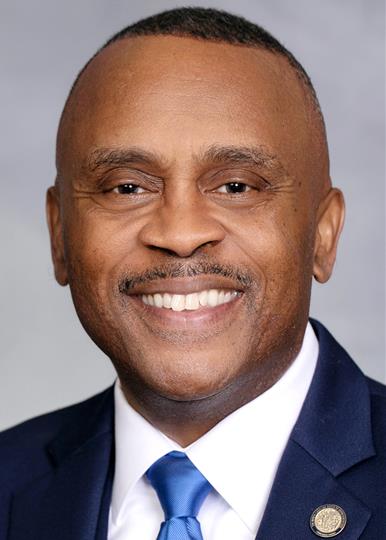
Rep. Robert Reives
Sponsored bills
Maddy summaryThis bill proposes to allocate $2,178,000 in state funds to hire at least 25 additional Adult Protective Services workers across North Carolina counties starting in the 2026-2027 fiscal year. The money is intended specifically to cover salaries and benefits for new staff who will investigate reports of elder abuse, neglect, and exploitation, with distribution based on factors like case volume and the number of seniors in each area. The legislation explicitly prohibits using these funds to replace existing staff or for any purpose other than paying the new workers. Although the bill was withdrawn from committee in May 2026, its primary function is to increase state funding for local social services agencies to address a growing demand for elder abuse investigations.
Maddy summaryThis bill directs Harnett County to adopt specific land-use planning overlays for its jetport area. By amending state law, it allows the county to create zoning rules tailored to the airport that operate outside standard local zoning restrictions. The legislation applies exclusively to Harnett County and becomes effective immediately upon passage.
Maddy summaryHB 1207 establishes a state grant program to help North Carolina municipalities prepare for and respond to winter snow and ice events. The bill allows local governments to receive up to 75% reimbursement for purchasing snow removal equipment, hiring private contractors, and covering operational costs like fuel and staffing, provided they also contract with private companies within the state. To ensure accountability and transparency, the program requires all funded vehicles to be equipped with cameras and GPS trackers, and participating municipalities must publish a real-time map showing their snow clearing progress. The legislation appropriates $20 million for initial equipment purchases, $10 million for ongoing operational costs, and $5 million to create a reserve of salt and brine for distribution to local areas in need.
Maddy summaryThis bill authorizes the North Carolina Division of Motor Vehicles to issue a special "Red Wolf" license plate for vehicle owners who wish to support the conservation of this native species. The plates will feature an image of a red wolf and carry an additional $30 fee, with specific portions of those funds directed to the North Carolina Wildlife Resources Commission for conservation, research, and habitat restoration efforts. To help launch the program, the state has appropriated $15,000 for plate design and production, while North Carolina State University is tasked with promoting the plate to its campus community and will report on its marketing efforts by September 2027.
Maddy summaryThis bill directs North Carolina's Utilities Commission to adjust electricity rates to reflect fuel costs that utilities incurred after a previous rate-setting period ended. It requires the commission to include these recent fuel expenses in rate calculations, provided they were reasonable and prudently spent, while explicitly excluding costs from before that earlier period. The law also mandates that any difference between what utilities collected and what they actually spent on fuel be corrected over a 12-month period with interest applied. Additionally, the bill allocates $10,000 in state funds to the commission to support the administrative work needed to implement these changes, which will take effect on July 1, 2026.
Maddy summaryHB 1178, known as the NC Teacher Pay Competitiveness Act, establishes a permanent salary increase plan for public school teachers in North Carolina to help the state compete with neighboring regions. The bill creates a new salary schedule that begins in the 2026-2027 school year and mandates annual raises of 3.67% until 2033, after which increases will be tied to federal employment cost data. Additionally, the legislation provides specific monthly bonuses for teachers with advanced certifications or degrees and adjusts funding for the Opportunity Scholarship program.
Maddy summaryThis bill aims to improve support for people with intellectual and developmental disabilities in North Carolina through three main changes. It mandates a minimum wage increase of $18 per hour for direct care workers by raising Medicaid reimbursement rates for providers and facilities, with funds appropriated starting in fiscal year 2026-2027. Additionally, the legislation adds at least 1,000 slots to the state's Medicaid waiver program and requires the creation of a ten-year plan to address unmet service needs. Finally, it seeks to remove income and asset limits for the state's Medicaid buy-in program for workers with disabilities, allowing more individuals to qualify for coverage regardless of their earnings or savings.
Maddy summaryThis bill raises child care subsidy rates in North Carolina to the 75th percentile of market costs, directly benefiting low-income families who use state-funded care. Starting in July 2026, the state will automatically update these rates based on future market studies and establish a minimum payment floor for providers in counties where local rates are lower. The legislation appropriates $60 million from the General Fund and $20 million from federal grants to cover the initial increase, with an additional $160 million allocated to maintain the statewide rate floor. While most counties will adopt the new statewide standard, areas with very few children in specific age groups may keep their current rates if the state rate would be too low to secure care for eligible families.
Maddy summaryThis North Carolina bill appropriates approximately $1.3 million from the state's General Fund to the Department of Health and Human Services for the 2026-2027 fiscal year. The funds are designated to expand access to Teen Mental Health First Aid and Youth Mental Health First Aid training programs across the state. These training courses are designed to teach high school students how to recognize signs of mental health and substance use challenges among their peers and connect them with support. The legislation takes effect on July 1, 2026.