

Maddy summaryHB 1153 aims to increase transparency in North Carolina's state budget process by requiring more public involvement before final budget votes. The bill mandates that the General Assembly hold at least one public hearing and three committee meetings while also providing a week for citizens to submit comments online. Additionally, it makes requests for funding from state agencies and legislators public records once the budget is enacted, though it preserves legal protections for attorney-client communications. To support these new requirements, the legislation allocates $250,000 annually to the Legislative Services Commission for maintaining the online comment portal and covering hearing expenses.
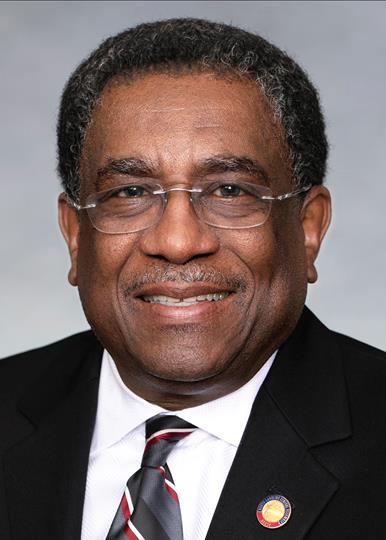
Rep. Garland Pierce
Sponsored bills
Maddy summaryThis bill establishes a Child Welfare Case Escalation Team to provide an extra layer of safety review for juveniles with complex histories of abuse or neglect. The team, composed of state and local representatives, will be activated when cases meet specific risk criteria, such as multiple prior reports, patterns of medical neglect, or a history involving child fatalities. Once triggered, the team will conduct a thorough assessment of the case, identify gaps in services, and collaborate with county social services to develop improved safety plans. This new mechanism aims to ensure consistent quality assurance and better protect vulnerable children by addressing chronic issues that may have been missed in previous interventions.
Maddy summaryThis bill directs North Carolina's Utilities Commission to adjust electricity rates to reflect fuel costs that utilities incurred after a previous rate-setting period ended. It requires the commission to include these recent fuel expenses in rate calculations, provided they were reasonable and prudently spent, while explicitly excluding costs from before that earlier period. The law also mandates that any difference between what utilities collected and what they actually spent on fuel be corrected over a 12-month period with interest applied. Additionally, the bill allocates $10,000 in state funds to the commission to support the administrative work needed to implement these changes, which will take effect on July 1, 2026.
Maddy summaryThis bill establishes a paid bereavement leave program for state employees, public school staff, and community college workers in North Carolina, effective July 1, 2026. It grants up to 40 hours of paid time off for the death of an immediate family member and up to eight hours for the death of a colleague who worked at the same agency within the past year. The legislation requires employees to provide documentation of the death and mandates that leave for family members be used within 180 days, while also allocating $2 million from the state budget to fund these benefits.
Maddy summaryThis bill allocates $200 million in recurring state funds to expand access to the North Carolina Pre-K program for all income-eligible four-year-olds. The additional money is directed to the Department of Health and Human Services to ensure these children can participate in the program starting in the 2026-2027 fiscal year. The legislation becomes effective on July 1, 2026, and does not alter existing eligibility criteria or program requirements.
Maddy summaryHB 1178, known as the NC Teacher Pay Competitiveness Act, establishes a permanent salary increase plan for public school teachers in North Carolina to help the state compete with neighboring regions. The bill creates a new salary schedule that begins in the 2026-2027 school year and mandates annual raises of 3.67% until 2033, after which increases will be tied to federal employment cost data. Additionally, the legislation provides specific monthly bonuses for teachers with advanced certifications or degrees and adjusts funding for the Opportunity Scholarship program.
Maddy summaryThis bill aims to improve support for people with intellectual and developmental disabilities in North Carolina through three main changes. It mandates a minimum wage increase of $18 per hour for direct care workers by raising Medicaid reimbursement rates for providers and facilities, with funds appropriated starting in fiscal year 2026-2027. Additionally, the legislation adds at least 1,000 slots to the state's Medicaid waiver program and requires the creation of a ten-year plan to address unmet service needs. Finally, it seeks to remove income and asset limits for the state's Medicaid buy-in program for workers with disabilities, allowing more individuals to qualify for coverage regardless of their earnings or savings.
Maddy summaryThis North Carolina bill appropriates approximately $1.3 million from the state's General Fund to the Department of Health and Human Services for the 2026-2027 fiscal year. The funds are designated to expand access to Teen Mental Health First Aid and Youth Mental Health First Aid training programs across the state. These training courses are designed to teach high school students how to recognize signs of mental health and substance use challenges among their peers and connect them with support. The legislation takes effect on July 1, 2026.
Maddy summaryHB 1141 allocates over one billion dollars in state funding to adjust Medicaid payments for North Carolina starting in 2025, ensuring the program can cover rising costs and new services. The bill also permits Medicaid managed care plans to create exclusive networks of providers specifically for research-based behavioral health treatments, while requiring all other essential services to remain available to all providers in the area. Additionally, the legislation removes specific rules that could cause people enrolled in Medicaid expansion to lose their coverage, thereby stabilizing access to care for this population.
Maddy summaryThis bill reduces the amount low-income families must pay for state-subsidized child care in North Carolina starting in October 2026. It lowers the required parent contribution from 10% of gross family income to 7%, with specific adjustments for part-time and blended-rate care. To fund this reduction, the state will allocate $25 million from the General Fund to the Department of Health and Human Services beginning in the 2026-2027 fiscal year. The legislation takes effect on July 1, 2026, and applies to families currently participating in the child care subsidy program.