

Maddy summaryHB 60 increases Medicaid dental reimbursement rates from 35% to 46% of average dentist charges (2023 rates) to align with neighboring states. The bill allocates $52 million annually from North Carolina's General Fund, matched by $95 million in federal funds, to cover this rate increase starting July 1, 2025. It directly affects dentists who accept Medicaid patients and Medicaid beneficiaries seeking dental care, aiming to boost provider participation and prevent costly emergency treatments. The change addresses years of stagnant rates that reduced dental provider enrollment in Medicaid.
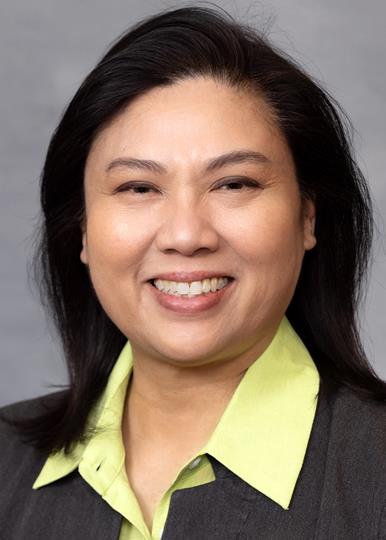
Rep. Maria Cervania
Sponsored bills
Maddy summaryHB 65 authorizes North Carolina's Division of Motor Vehicles to issue a special license plate for members of the Sigma Gamma Rho Sorority. The plate would display the sorority's symbol, name, and motto "Greater Service, Greater Progress" on vehicles owned by registered members. This bill adds the Sigma Gamma Rho plate to the existing list of special registration plates under state law. It does not change vehicle fees or impose new requirements, simply expanding plate options available to eligible sorority members.
Maddy summaryHB 39 excludes motor vehicles owned by veterans with a 100% disability rating certified by the U.S. Department of Veterans Affairs from North Carolina property tax. It amends state tax law to add these vehicles as a designated exempt class under G.S. 105-275. The exclusion applies to vehicles registered on or after January 1, 2026. This policy directly affects eligible disabled veterans who own motor vehicles, reducing their property tax burden. The bill does not change eligibility criteria or tax rates for other vehicle classes.
Maddy summaryHB 36 requires North Carolina's Department of Veterans and Military Affairs to improve maintenance at all four state veterans cemeteries, directly affecting veterans' families and cemetery operations. The bill mandates addressing specific issues like headstone installation delays, equipment damage to graves, drainage problems, debris, and poor grounds appearance, while allowing military groups to volunteer for upkeep. It also directs the department to review and adjust funeral service policies, including chapel-only options, service duration, attendee limits, and grave visitation rules during services. The department must submit a report on these changes to legislative committees by October 1, 2025.
Maddy summaryHB 10 establishes a bipartisan committee to study modernizing North Carolina's travel allowances for state employees, teachers, and officials like legislators. The seven-member committee - appointed by legislative leaders and the governor - will examine federal reimbursement rates, consult with hospitality and HR experts, and review historical travel policies. It must submit recommendations to lawmakers by March 15, 2026, but does not change current allowance amounts. This is a procedural study bill, not a policy change.
Maddy summaryHB 20, the "Fair Maps Act," proposes amending the North Carolina Constitution to establish an independent redistricting process. It would create a Citizens Redistricting Commission to redraw congressional and state legislative districts after each federal census, removing the General Assembly and Governor from the process. The bill requires districts to be contiguous, avoid splitting counties, and ensure equal population representation, with changes taking effect only after voter approval in 2026. This directly affects all North Carolina voters by changing how electoral districts are drawn for state and federal offices. The amendment must be ratified by voters in November 2026 before it becomes effective.
Maddy summaryThis is a commemorative resolution (not a policy bill) honoring former North Carolina House Representative Joseph "Joe" Robert John, Sr., who served District 40 from 2017-2025 and died January 20, 2025. The resolution expresses the House's appreciation for his public service, extends sympathy to his family, and formally recognizes his contributions to North Carolina's judiciary, criminal justice, and community. It has no policy impact or new legal provisions - its purpose is solely to memorialize his career and legacy. The resolution was adopted unanimously by the House on January 29, 2025.
Maddy summaryThis bill updates North Carolina's sex crime laws by creating new offenses for sexual extortion and refining definitions related to the sexual exploitation of minors. It specifically addresses the threat of sharing private images to force someone into acts, defining "private images" to include those created or modified by artificial intelligence, and establishes felony penalties for adults while imposing stricter penalties on repeat offenders. Additionally, the legislation clarifies what constitutes an "identifiable minor" in digital media and expands the scope of protected material to include computer-generated depictions, ensuring that laws cover images produced through modern technology.
Maddy summaryThis amendment to House Bill 900 modifies regulations regarding the sale of tobacco products in North Carolina. It requires retailers to have 30 days after a manufacturer is removed from the state directory to either sell remaining inventory or return the products for a refund. This change directly affects tobacco retailers and distributors by providing a specific timeframe to manage stock when a brand is no longer authorized for sale.
Maddy summaryThis bill authorizes the University of North Carolina system to finance specific capital improvement projects using non-state funds, such as gifts, grants, and hospital receipts, rather than taxpayer money from the General Fund. The legislation allows the universities to issue revenue bonds or special obligation bonds to cover the costs of renovations at East Carolina University, dormitory upgrades at Fayetteville State University, and new infrastructure and research buildings at UNC Chapel Hill and UNC Wilmington. A key provision permits the Director of the Budget to adjust project costs or funding methods if deemed necessary in the state's best interest. Ultimately, the bill enables these institutions to proceed with construction and renovation plans without requiring additional appropriations from the state legislature.