

Maddy summaryThis bill allocates $6 million in state funds to expand two food assistance programs in North Carolina for the 2026-2027 fiscal year. The first $4 million supports FarmSHARE, which provides grants to buy locally grown food and distribute it for free to food-insecure individuals and households. The second $2 million funds the Double Up Food Bucks Program, allowing people receiving nutrition assistance to use their benefits to purchase fresh fruits and vegetables at farmers markets and other local retailers. Both programs require the state department to submit annual reports detailing participation numbers, distribution metrics, and financial data to legislative oversight committees. The legislation takes effect on July 1, 2026.
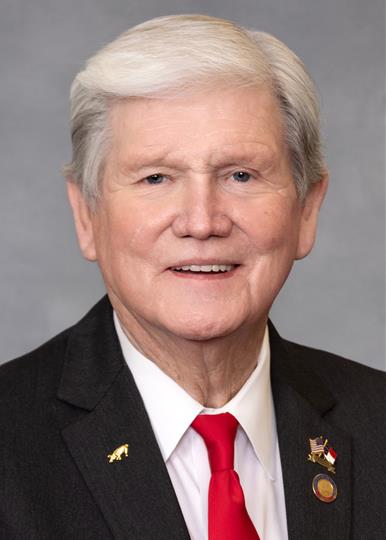
Rep. Jimmy Dixon
Sponsored bills
Maddy summaryHB 1193, known as the Mike Clampitt Bone Marrow Donation Act, designates November as Marrow Donation Awareness Month in North Carolina. The bill requires the Department of Health and Human Services and the Department of Motor Vehicles to promote bone marrow donation by posting public service announcements online and displaying them at driver license offices. Additionally, the legislation appropriates $100,000 to fund a state-wide public awareness campaign for this initiative, with the law taking effect on July 1, 2026.
Maddy summaryThis North Carolina bill allows taxpayers to deduct up to $5,000 of unreimbursed costs for prescribed medications and pharmacy fees from their state income tax. The deduction applies to expenses not covered by tax-advantaged accounts like Flexible Spending or Health Savings Accounts and prevents double-dipping if a federal deduction is already claimed for the same year. Effective for tax years starting on or after January 1, 2026, the measure directly affects individuals paying out-of-pocket for prescription drugs who itemize their state taxes.
Maddy summaryThis bill creates a new Rural Healthcare Infrastructure Fund in North Carolina to help build, repair, and modernize healthcare facilities in rural areas. The fund will provide money through grants and low-interest loans to support construction and renovation projects, while also replacing an older stabilization program. A state council must first develop and get approval for a detailed plan outlining how the fund will be managed and who can apply before any money is awarded. The bill also updates the duties of the state health council and requires annual reports on how the fund is being used.
Maddy summaryHouse Bill 433 allows licensed registered nurses (RNs) to serve as school nurses in North Carolina public schools. The bill prohibits the State Board of Education from requiring a four-year degree for school nurse employment. It specifies that RNs with at least two years of experience in a hospital or health clinic can work as school nurses without needing additional certifications or licenses. These qualified registered nurses will be paid under the certified school nurse pay scale.
Maddy summaryThis bill establishes a program to provide free hyperbaric oxygen therapy to North Carolina veterans diagnosed with traumatic brain injury or posttraumatic stress disorder. The legislation appropriates $3 million from the state General Fund to a nonprofit organization to deliver approximately 15,000 treatments to an estimated 350 eligible veterans over the 2026-2027 fiscal year. The program includes structured clinical care and requires the provider to submit a detailed report on outcomes and fund usage by June 2027.
Maddy summaryThis bill creates a new loan program in North Carolina to help nonprofit organizations prepare land for affordable housing by offering below-market interest rate loans. The funds, totaling $50 million for the 2026-2027 fiscal year, can only be used for site-related expenses like land acquisition, utility installation, and environmental testing, but not for building the actual homes. To qualify, borrowers must be experienced nonprofits that provide zero-interest mortgages to buyers and ensure at least 40% of units in mixed-income projects are reserved for low- and moderate-income families. The program is designed to support the development of housing for households earning up to 80% of the local area median income.
Maddy summaryThis bill creates a new program in North Carolina that requires individuals convicted of domestic violence to register on a public list if they have at least one prior domestic violence conviction. The State Bureau of Investigation will maintain this registry, which will include the offender's name, date of birth, conviction details, and a photograph, while keeping addresses and social security numbers private. Registration periods last two years for one prior offense, five years for two prior offenses, and ten years for three or more prior offenses, with fees of $150 paid by the offender to cover registry costs. The law takes effect on December 1, 2026, and applies to offenses committed on or after that date, though prior convictions do not need to have occurred by then.
Maddy summaryHB 434, titled "Lower Healthcare Costs," is a procedural bill focused on updating definitions related to health insurance utilization review in North Carolina. It rewrites statutory definitions (e.g., "medical necessity," "clinical peer," "closely related service") within existing insurance regulations but does not introduce new cost-saving mechanisms or policy changes. The bill directly affects insurers, healthcare providers, and covered individuals by standardizing terminology used in prior authorization processes. As a definition-only update, it has no concrete policy impact on healthcare costs or patient access, and the title does not align with its actual scope.
Maddy summaryHB 491 prepares North Carolina's Medicaid program to implement work requirements if authorized by the federal Centers for Medicare and Medicaid Services (CMS). It requires the state's Division of Health Benefits to negotiate with CMS, notify oversight committees within 30 days of starting talks, and submit detailed reports after CMS approves any work requirements plan. The bill does not enact work requirements itself but establishes procedures for future implementation, including timelines for reporting funding needs. This would directly affect current Medicaid recipients if CMS approves work requirements, though the bill is procedural and conditional on federal approval. The legislation is currently in committee review and has not yet become law.