

Maddy summaryHB 630 restores a sales tax refund program for North Carolina's public school districts. It allows local school administrative units to receive annual refunds for sales tax paid on direct purchases of tangible property and services (like supplies or equipment), excluding items such as electricity, telecom, or food. The refund amount is capped at $13.3 million per year for all districts combined. The bill takes effect July 1, 2025, and adjusts state funding to reflect the restored refund program.
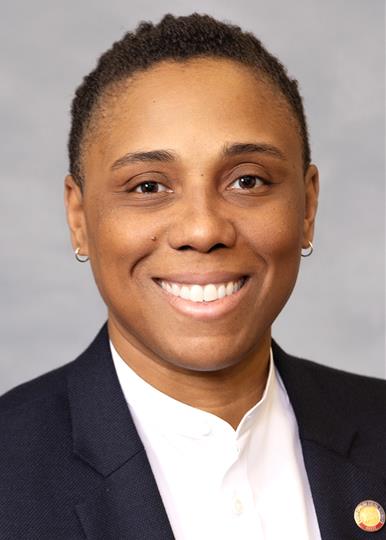
Rep. Vernetta Alston
Sponsored bills
Maddy summaryHB 628 reenacts North Carolina's state-level child tax credit, which expired, to provide financial support to families with children. It directly affects low- and middle-income North Carolina residents who qualify under federal child tax credit rules, offering up to $250 per child annually based on household income. Key provisions include income-based credit amounts (e.g., $250 for married couples filing jointly with under $40,000 income) that phase out at higher earnings, and the credit is refundable - meaning families may receive cash payments even if they owe no state tax. The bill takes effect for 2025 tax years and mirrors the federal credit structure without creating new policy.
Maddy summaryHB 626, the Housing Choice Act, allows North Carolina municipalities to adopt specific zoning changes to encourage more housing options and qualify for priority water infrastructure funding. Smaller cities (under 100,000 residents) can permit multifamily housing by right in residential zones, waive fees for affordable housing construction, and allow accessory dwelling units. Larger cities (100,000+ residents) must implement minimum density standards, eliminate parking requirements, and permit duplexes/triplexes in single-family zones. Both sizes must preserve existing affordable housing through incentives or funds and adopt zoning that aligns with state housing goals. The bill directly affects local governments seeking to streamline housing development while meeting criteria for state water infrastructure grants.
Maddy summaryHB 645 (Friendly NC Act) strengthens hate crime laws in North Carolina by expanding definitions to include offenses motivated by race, religion, nationality, or other protected characteristics. It increases penalties for hate-motivated misdemeanors (elevating them to Class 1 misdemeanors or felonies) and creates new felony charges for hate-motivated serious bodily injury. Victims gain civil remedies (including emotional distress damages and attorney fees) and can request restorative justice sessions with trained facilitators, paid for by the offender. The bill directly affects individuals who commit hate crimes and victims of such offenses, aiming to promote inclusivity through enhanced legal protections.
Maddy summaryHB 619, the Health Care Security Act, repeals a law that would have ended Medicaid expansion coverage in North Carolina if federal funding dropped below 90%. This change directly affects the state's Medicaid expansion population, ensuring their coverage remains secure regardless of federal funding fluctuations. The bill removes a specific statutory trigger (G.S. 108A-54.3C) that previously threatened automatic discontinuation of benefits. It does not create new programs or alter eligibility but prevents coverage loss due to federal funding changes. The act becomes effective upon enactment.
Maddy summaryHB 603 creates a $40 million revolving loan fund within North Carolina's Housing Finance Agency to cover preconstruction costs (like land surveys, permits, and site work) for workforce housing projects. It directly affects developers building housing affordable to households earning 60%-120% of local median income, requiring them to contribute 20%-35% in project equity. The fund reserves 80% of loans for high-priority counties (tier 1-2) and 20% for other counties, with each loan capped at $1 million. The program requires annual reporting on loan details and becomes effective July 1, 2025.
Maddy summaryHB 604 creates two grant programs to support economic development: the Rural Community Development Grant Program and the Downtown Revitalization Grant Program. Both programs allocate $40 million each from the state budget for 2025-2026, providing grants to local governments (counties and municipalities) to fund projects that improve community amenities like grocery stores, childcare, parks, or downtown infrastructure. Grants require a 1:1 local match, max $2 million per award, and must align with comprehensive plans for revitalization or community growth. The programs aim to reverse rural depopulation, attract business investment, and enhance downtown livability through targeted, competitive funding.
Maddy summaryHB 617 creates a $20 million grant program for North Carolina small farmers with gross income under $300,000, funding equipment (like harvest machinery), infrastructure (such as fencing), and cold storage. It also lowers the income threshold for farm sales tax exemption from $10,000 to $7,500 annually, expanding eligibility for tax relief. The bill directly affects small farmers meeting these income criteria by providing financial support through grants and reduced tax burdens. Grants require applications and prioritize those facing economic hardship, with funding allocated for specific purposes like equipment and the FarmsSHARE program.
Maddy summaryHB 551 aims to improve access to Clubhouse model programs for North Carolinians with severe mental illness by creating a statewide reimbursement system for these services. It requires the state mental health agency to develop a plan by 2026 that includes incentives for Clubhouses to gain accreditation, consistent funding rates across regions, and staff training. The bill allocates $2.5 million in recurring funds starting July 2026 to support accredited Clubhouses for current programs, expansion, accreditation costs, and staff training. It also mandates Medicaid coverage for services under this new reimbursement system, directly affecting individuals with severe mental illness and Clubhouse providers.
Maddy summaryHB 564 provides a 2% cost-of-living adjustment for retirees in North Carolina's Teachers' and State Employees' Retirement System, Consolidated Judicial Retirement System, and Legislative Retirement System. It increases retirement payments for retirees who retired on or before specific dates (July 1, 2024, for most systems, or January 1, 2025, for the Legislative system) and offers a prorated increase for those retiring between July 1, 2024, and June 30, 2025. The bill appropriates $106.2 million from the General Fund to fund this adjustment, effective July 1, 2025. This policy change directly affects current retirees in these systems by increasing their monthly benefits.