

Maddy summaryThis bill, titled the Workforce Act of 2026, provides funding and policy changes to expand workforce development programs in North Carolina. It allocates $3.1 million to the Community Colleges System Office to support the ApprenticeshipNC program, which helps connect employers with learners through work-based training. The legislation also directs the Department of Commerce to maintain a list of industry-valued credentials and collect data on wages and job outcomes to better align education with labor market needs. Additionally, it increases financial aid for short-term workforce development grants to help students pursue credentials that are not eligible for federal funding.
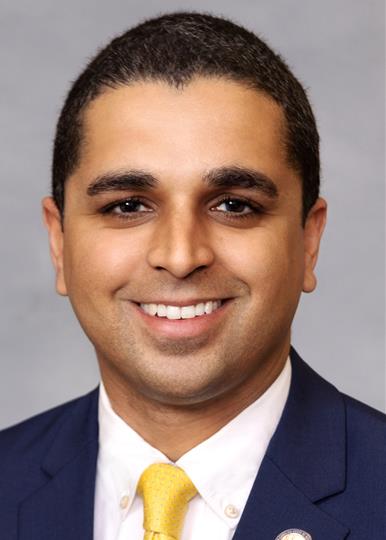
Rep. Dante Pittman
Sponsored bills
Maddy summaryThis bill appropriates $15 million to Wilson County to support its volunteer fire departments with equipment upgrades. The funds are specifically designated for improving emergency lighting on fire trucks to enhance visibility when vehicles are stationary and covering costs for maintaining or replacing fire equipment and vehicle parts. The legislation becomes effective on July 1, 2026, and directs the Office of State Budget and Management to provide these nonrecurring funds to the county.
Maddy summaryThis bill aims to improve support for people with intellectual and developmental disabilities in North Carolina through three main changes. It mandates a minimum wage increase of $18 per hour for direct care workers by raising Medicaid reimbursement rates for providers and facilities, with funds appropriated starting in fiscal year 2026-2027. Additionally, the legislation adds at least 1,000 slots to the state's Medicaid waiver program and requires the creation of a ten-year plan to address unmet service needs. Finally, it seeks to remove income and asset limits for the state's Medicaid buy-in program for workers with disabilities, allowing more individuals to qualify for coverage regardless of their earnings or savings.
Maddy summaryHB 1141 allocates over one billion dollars in state funding to adjust Medicaid payments for North Carolina starting in 2025, ensuring the program can cover rising costs and new services. The bill also permits Medicaid managed care plans to create exclusive networks of providers specifically for research-based behavioral health treatments, while requiring all other essential services to remain available to all providers in the area. Additionally, the legislation removes specific rules that could cause people enrolled in Medicaid expansion to lose their coverage, thereby stabilizing access to care for this population.
Maddy summaryHB 1138, known as the Aging With Dignity Act, aims to improve long-term care for older North Carolinians by prioritizing home-based services over institutional care for Medicaid beneficiaries aged 55 and older. The bill mandates that institutional placement be the exception rather than the rule, requiring documented medical justification and regular reassessments to ensure individuals remain in the most integrated setting possible. It also establishes a requirement for periodic medication reviews to prevent adverse drug interactions and reduce hospitalizations, while integrating behavioral health services into geriatric care plans. Additionally, the legislation appropriates funds for strategic investments in the state's aging infrastructure and reestablishes a study commission to address the needs of the growing senior population.
Maddy summaryThis bill creates a new grant program in North Carolina to fund public car and shuttle services in rural counties with low population density. Eligible recipients, such as counties and transit authorities, can use the funds to support commuter travel during peak hours or provide on-demand rides for medical appointments and grocery shopping during off-peak times. To receive funding, applicants must secure a local match of at least 50% and ensure that employers contribute a minimum of 20% for peak-hour commuter services. The program is financed by a $30 million appropriation from the Highway Fund and is scheduled to begin on July 1, 2026.
Maddy summaryThis bill establishes a program to provide free hyperbaric oxygen therapy to North Carolina veterans diagnosed with traumatic brain injury or posttraumatic stress disorder. The legislation appropriates $3 million from the state General Fund to a nonprofit organization to deliver approximately 15,000 treatments to an estimated 350 eligible veterans over the 2026-2027 fiscal year. The program includes structured clinical care and requires the provider to submit a detailed report on outcomes and fund usage by June 2027.
Maddy summaryHB 1082, titled the Tax Relief for Working Families Act, would reinstate North Carolina's state Earned Income Tax Credit for families with children. The bill establishes a refundable tax credit equal to 5% of the federal credit amount claimed by eligible taxpayers, with a specific provision for the 2013 tax year that sets the rate at 4.5%. If the calculated credit exceeds the taxpayer's state tax liability, the difference is refunded to them. Although the legislation includes a sunset clause that would repeal the credit after the 2013 tax year, the act is scheduled to take effect for taxable years beginning on or after January 1, 2026.
Maddy summaryThis bill reduces the cost for North Carolina public school teachers to purchase credit for their military service. Under the new provision, eligible veterans would only need to pay 25% of the usual cost, while the state would cover the remaining 75% through general appropriations. The law applies to full-time employees of the Teachers' and State Employees' Retirement System who served in the U.S. Armed Forces and allows them to buy up to four years of service credit. These changes would take effect on July 1, 2027, for any service credit purchases made on or after that date.
Maddy summaryThis bill expands the property tax exemption for disabled veterans and their surviving spouses in North Carolina by increasing the excluded home value from $45,000 to the entire appraised value of the primary residence. To offset the resulting loss in local tax revenue, the state will reimburse counties and cities for the taxes they no longer collect from these exempt properties. The legislation also allocates $100,000 to cover administrative costs and sets the changes to take effect for tax years beginning on or after July 1, 2027.