

Maddy summaryThis bill establishes a program to provide free hyperbaric oxygen therapy to North Carolina veterans diagnosed with traumatic brain injury or posttraumatic stress disorder. The legislation appropriates $3 million from the state General Fund to a nonprofit organization to deliver approximately 15,000 treatments to an estimated 350 eligible veterans over the 2026-2027 fiscal year. The program includes structured clinical care and requires the provider to submit a detailed report on outcomes and fund usage by June 2027.
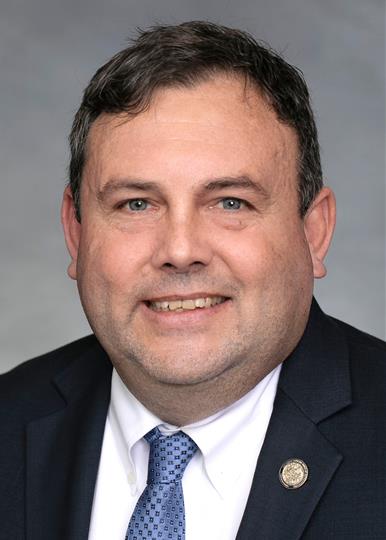
Rep. Eric Ager
Sponsored bills
Maddy summaryHB 1082, titled the Tax Relief for Working Families Act, would reinstate North Carolina's state Earned Income Tax Credit for families with children. The bill establishes a refundable tax credit equal to 5% of the federal credit amount claimed by eligible taxpayers, with a specific provision for the 2013 tax year that sets the rate at 4.5%. If the calculated credit exceeds the taxpayer's state tax liability, the difference is refunded to them. Although the legislation includes a sunset clause that would repeal the credit after the 2013 tax year, the act is scheduled to take effect for taxable years beginning on or after January 1, 2026.
Maddy summaryThis bill reduces the cost for North Carolina public school teachers to purchase credit for their military service. Under the new provision, eligible veterans would only need to pay 25% of the usual cost, while the state would cover the remaining 75% through general appropriations. The law applies to full-time employees of the Teachers' and State Employees' Retirement System who served in the U.S. Armed Forces and allows them to buy up to four years of service credit. These changes would take effect on July 1, 2027, for any service credit purchases made on or after that date.
Maddy summaryHB 1107 allocates $2 million in recurring state funds to support families who provide foster care in North Carolina. Beginning in the 2026-2027 fiscal year, these funds will be distributed to county social services departments based on documented need to help with recruiting, training, and supporting foster families. The bill takes effect on July 1, 2026, and aims to assist the Division of Social Services in its efforts to maintain foster care placements.
Maddy summaryHB 1096, the First in Flight Act, allocates state funding to support North Carolina's aerospace industry and airport infrastructure. The bill creates a new aviation capital project account to provide grants to airports for modernization projects, provided those projects are linked to agreements with aerospace businesses. Additionally, it establishes an aerospace apprenticeship program and funds community college training initiatives to develop a skilled workforce in the sector. These measures aim to strengthen the state's economic position in aviation by improving facilities and expanding educational opportunities.
Maddy summaryThis bill appropriates $35 million in recurring state funds to the North Carolina Housing Finance Agency for the Workforce Housing Loan Program. The funding is designated to support the program's operations and loans for eligible workforce members seeking affordable housing. These funds will become available starting with the 2026-2027 fiscal year. The legislation takes effect on July 1, 2026.
Maddy summaryHB 1130 aims to improve conditions for public school teachers and instructional staff in North Carolina by adjusting pay structures and offering financial incentives for advanced certification. The bill reinstates education-based salary supplements for the 2025-2026 school year and allocates funds to support these payments starting in 2026-2027. It also establishes a forgivable loan program to help teachers cover the costs of obtaining National Board for Professional Teaching Standards certification, provided they achieve this credential within five years. Additionally, the legislation sets a new monthly salary schedule based on years of experience and grants a 12% monthly salary increase to teachers who hold NBPTS certification. Local school administrators will gain more flexibility in setting school calendars as part of the broader changes to teacher employment and quality of life.
Maddy summaryThis bill creates the Affordable Maternal Access and Cancer Care Act to improve health outcomes for marginalized groups in North Carolina by establishing two new programs. The first part sets up a grant program that provides funding to community-led organizations to address maternal mortality and severe illness among underserved populations, with a focus on supporting social needs like housing, nutrition, and transportation. The second part ensures that patients do not face higher costs for necessary breast imaging tests compared to standard screening mammograms. The legislation appropriates five million dollars for the 2026-2027 fiscal year to fund these initiatives and hire staff to manage the grants.
Maddy summaryThis bill allocates $7.5 million in state funds to help counties support people participating in local judicially managed accountability and recovery courts. The money will be given out through a competitive grant process to pay for job training, transportation, and other employment-related costs like tools or childcare. These services must be tailored to each participant's individual recovery and treatment plans and can be provided by community colleges, workforce boards, or other approved organizations. Counties are limited to receiving up to $150,000 per year unless they request an exception based on specific needs, and officials will report on how the funds are used and the results achieved.
Maddy summaryHB 1091, known as the DWI Modernization Act of 2026, updates North Carolina laws regarding impaired driving to improve enforcement, increase penalties, and provide clearer procedures for drivers. The bill requires magistrates to provide written explanations when dismissing DWI charges, ensuring officers must justify their probable cause decisions based on specific test results and observations. It also adjusts fees for license restoration, increases fines for repeat offenders, and mandates that transportation network drivers meet the same sobriety standards as commercial bus drivers. Additionally, the legislation makes it a felony for adults to help minors obtain alcohol if that minor causes serious injury, while also clarifying the immediate revocation process for drivers who refuse chemical tests.