

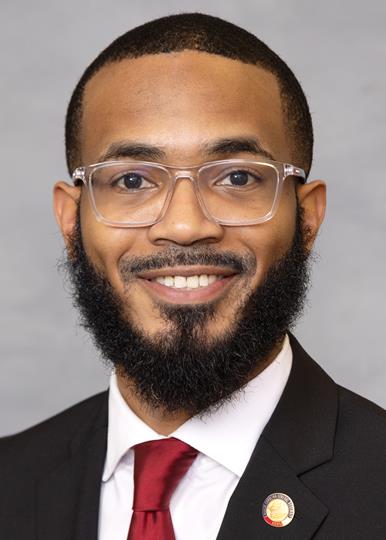
Photo of Jordan Lopez
D North Carolina House · District 112 On the 2026 ballot

Rep. Jordan Lopez

Compare
Total votes
481
all sessions
Attendance
97%
16 missed
Near the chamber average
With party
94%
of cast votes
Lower than 82% of chamber peers
Bipartisan score
3%
crosses aisle rarely
Higher than 81% of chamber peers
Sponsored
264
bills & resolutions
Higher than 82% of chamber peers
Committees
3
assignments
264 bills and resolutions

Sponsored bills

Total
264
Primary
20
Co-sponsor
244
This page
264
matching current filters
Co-sponsor HB 1175
In committee · North Carolina House · Co-sponsor
Affordability in Healthcare Act.

Maddy summaryThis North Carolina legislation aims to reduce healthcare expenses and boost competition by adding a low-cost plan option to the state's insurance marketplace. It establishes a purchasing consortium for public entities to negotiate better rates and allocates funds for chronic disease prevention initiatives. The bill also removes regulatory barriers for rehabilitation facilities and limits hospital consolidation to maintain market diversity. These provisions impact residents seeking coverage, public employers, healthcare providers, and hospital systems within the state.

In committee May 4, 2026 1 co-sponsor
Co-sponsor HB 1151
In committee · North Carolina House · Co-sponsor
Additional Magistrates/Mecklenburg County.

Maddy summaryThis bill increases the number of magistrates in Mecklenburg County from its current level to a total of 38.543.5 positions. To support this expansion, the state will allocate approximately $420,725 in funding starting in the 2026-2027 fiscal year to hire five new magistrates. The law takes effect on July 1, 2026, allowing the county to expand its judicial workforce to handle local legal matters.

In committee May 4, 2026 1 co-sponsor
Primary HB 1155
In committee · North Carolina House · Lead sponsor
The People's Right to Amend Act.

Maddy summaryHB 1155 proposes to amend the North Carolina Constitution to allow citizens to directly suggest changes to the state's foundational document through a petition process. To place a constitutional amendment on the ballot, supporters must collect signatures from at least 8% of the votes cast for governor in the last election, with a minimum of 3% from each congressional district. If approved by voters, any such amendment must receive a supermajority of 60% support to take effect. The bill also includes safeguards, such as a five-year waiting period before a defeated initiative can be submitted again and a requirement that the initiative process cannot alter the initiative power itself. This measure would be voted on by the public in a special election scheduled for November 3, 2026.

In committee May 4, 2026 0 co-sponsors
Co-sponsor HB 1095
In committee · North Carolina House · Co-sponsor
Tier System Reevaluation.

Maddy summaryThis bill directs North Carolina state agencies to stop using the current development tier system for various programs by July 1, 2028, and instead create their own specific criteria based on objective data. It applies to multiple departments, including those responsible for agriculture, transportation, health, and education, which must report their proposed replacement plans to relevant oversight committees by February 1, 2027. The legislation provides $1.1 million in funding to assist agencies in developing these new standards and includes a temporary clause preventing the downgrading of certain economic areas for the next three years. Ultimately, the bill aims to replace the existing tier designations with tailored measures that better align program goals with measurable outcomes.

In committee Apr 30, 2026 1 co-sponsor
Co-sponsor HB 1081
In committee · North Carolina House · Co-sponsor
Veterans/Hyperbaric Oxygen Therapy/Funds.

Maddy summaryThis bill establishes a program to provide free hyperbaric oxygen therapy to North Carolina veterans diagnosed with traumatic brain injury or posttraumatic stress disorder. The legislation appropriates $3 million from the state General Fund to a nonprofit organization to deliver approximately 15,000 treatments to an estimated 350 eligible veterans over the 2026-2027 fiscal year. The program includes structured clinical care and requires the provider to submit a detailed report on outcomes and fund usage by June 2027.

In committee Apr 30, 2026 1 co-sponsor
Co-sponsor HB 1082
In committee · North Carolina House · Co-sponsor
Tax Relief for Working Families Act.

Maddy summaryHB 1082, titled the Tax Relief for Working Families Act, would reinstate North Carolina's state Earned Income Tax Credit for families with children. The bill establishes a refundable tax credit equal to 5% of the federal credit amount claimed by eligible taxpayers, with a specific provision for the 2013 tax year that sets the rate at 4.5%. If the calculated credit exceeds the taxpayer's state tax liability, the difference is refunded to them. Although the legislation includes a sunset clause that would repeal the credit after the 2013 tax year, the act is scheduled to take effect for taxable years beginning on or after January 1, 2026.

In committee Apr 30, 2026 1 co-sponsor
Co-sponsor HB 1096
In committee · North Carolina House · Co-sponsor
First in Flight Act.

Maddy summaryHB 1096, the First in Flight Act, allocates state funding to support North Carolina's aerospace industry and airport infrastructure. The bill creates a new aviation capital project account to provide grants to airports for modernization projects, provided those projects are linked to agreements with aerospace businesses. Additionally, it establishes an aerospace apprenticeship program and funds community college training initiatives to develop a skilled workforce in the sector. These measures aim to strengthen the state's economic position in aviation by improving facilities and expanding educational opportunities.

In committee Apr 30, 2026 1 co-sponsor
Co-sponsor HB 1118
In committee · North Carolina House · Co-sponsor
Workforce Housing Loan Renewal Act.

Maddy summaryThis bill appropriates $35 million in recurring state funds to the North Carolina Housing Finance Agency for the Workforce Housing Loan Program. The funding is designated to support the program's operations and loans for eligible workforce members seeking affordable housing. These funds will become available starting with the 2026-2027 fiscal year. The legislation takes effect on July 1, 2026.

In committee Apr 30, 2026 1 co-sponsor
Co-sponsor HB 1130
In committee · North Carolina House · Co-sponsor
Re-Professionalizing the Teaching Profession.

Maddy summaryHB 1130 aims to improve conditions for public school teachers and instructional staff in North Carolina by adjusting pay structures and offering financial incentives for advanced certification. The bill reinstates education-based salary supplements for the 2025-2026 school year and allocates funds to support these payments starting in 2026-2027. It also establishes a forgivable loan program to help teachers cover the costs of obtaining National Board for Professional Teaching Standards certification, provided they achieve this credential within five years. Additionally, the legislation sets a new monthly salary schedule based on years of experience and grants a 12% monthly salary increase to teachers who hold NBPTS certification. Local school administrators will gain more flexibility in setting school calendars as part of the broader changes to teacher employment and quality of life.

In committee Apr 30, 2026 1 co-sponsor
Co-sponsor HB 1127
In committee · North Carolina House · Co-sponsor
Affordable Maternal Access and Cancer Care Act.

Maddy summaryThis bill creates the Affordable Maternal Access and Cancer Care Act to improve health outcomes for marginalized groups in North Carolina by establishing two new programs. The first part sets up a grant program that provides funding to community-led organizations to address maternal mortality and severe illness among underserved populations, with a focus on supporting social needs like housing, nutrition, and transportation. The second part ensures that patients do not face higher costs for necessary breast imaging tests compared to standard screening mammograms. The legislation appropriates five million dollars for the 2026-2027 fiscal year to fund these initiatives and hire staff to manage the grants.

In committee Apr 30, 2026 1 co-sponsor
Showing 61 to 70 of 264 bills
Previous 1 … 6 7 8 … 27 Next