

Maddy summaryHB 603 creates a $40 million revolving loan fund within North Carolina's Housing Finance Agency to cover preconstruction costs (like land surveys, permits, and site work) for workforce housing projects. It directly affects developers building housing affordable to households earning 60%-120% of local median income, requiring them to contribute 20%-35% in project equity. The fund reserves 80% of loans for high-priority counties (tier 1-2) and 20% for other counties, with each loan capped at $1 million. The program requires annual reporting on loan details and becomes effective July 1, 2025.
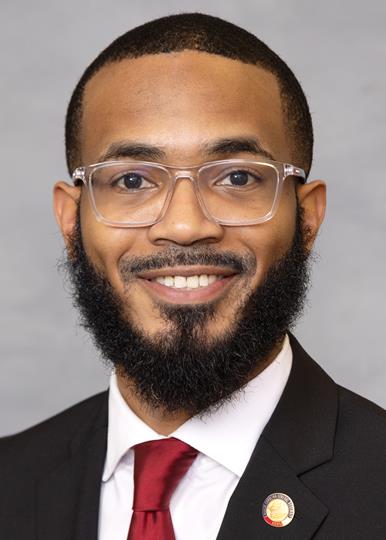
Rep. Jordan Lopez
Sponsored bills
Maddy summaryHB 604 creates two grant programs to support economic development: the Rural Community Development Grant Program and the Downtown Revitalization Grant Program. Both programs allocate $40 million each from the state budget for 2025-2026, providing grants to local governments (counties and municipalities) to fund projects that improve community amenities like grocery stores, childcare, parks, or downtown infrastructure. Grants require a 1:1 local match, max $2 million per award, and must align with comprehensive plans for revitalization or community growth. The programs aim to reverse rural depopulation, attract business investment, and enhance downtown livability through targeted, competitive funding.
Maddy summaryHB 588 aims to improve the number and quality of school psychologists in North Carolina through multiple funding initiatives. It provides a $650 monthly salary boost and a 12% supplement for certified school psychologists (totaling $8.1 million), establishes a $5 million grant program to fund signing bonuses (up to $5,000) for recruiting new psychologists with a one-year commitment requirement, and creates a $5 million internship program offering stipends at starting salaries. Additionally, it allocates $5 million for a virtual training program at Appalachian State University and $1.6 million to expand school psychology programs at five UNC institutions to double graduate output. The bill also includes an interstate licensure compact to facilitate practice across state lines, with all programs requiring annual reporting to the legislature.
Maddy summaryHB 571 appropriates $500,000 from the state General Fund to the Department of Public Safety for a grant program treating police officers diagnosed with PTSD. It directly affects North Carolina police officers who have received a clinical PTSD diagnosis. The key provision establishes a state-funded grant program to cover treatment costs, with funds allocated for the 2025-2026 fiscal year. The program becomes effective July 1, 2025, and focuses solely on providing financial support for treatment, not on expanding eligibility or altering diagnosis standards.
Maddy summaryHB 545 bans the sale, possession, or transfer of "ghost guns" (unserialized firearms lacking a manufacturer's serial number) and "undetectable firearms" (like plastic or 3D-printed guns that evade metal detectors). It directly affects individuals and businesses that manufacture, sell, or possess these weapons, except for federally licensed firearm manufacturers under ATF rules. The law defines undetectable firearms as those failing airport-style metal detector scans or being made entirely of non-metal materials. Violations carry Class I felony penalties, and the bill takes effect December 1, 2025.
Maddy summaryHB 521 would require most North Carolina employers to provide earned paid sick leave to workers. It mandates that employees accrue one hour of paid sick time for every 30 hours worked, with limits of 32 hours per year for small businesses (10 or fewer employees) and 56 hours for larger employers. The leave covers the employee's own health needs, care for immediate family members, or situations related to domestic violence, sexual assault, or stalking. Exemptions include volunteers, certain exempt employees under wage laws, and domestic workers employed in a private residence. The bill directly affects over 1.6 million private-sector workers in North Carolina, particularly low-wage and high-contact industry workers who currently lack access to paid sick days.
Maddy summaryHB 514 defines the scope of practice for Advanced Practice Registered Nurses (APRNs) in North Carolina, including nurse practitioners (NPs), certified nurse midwives (CNMs), certified registered nurse anesthetists (CRNAs), and clinical nurse specialists (CNSs). The bill explicitly outlines the specific responsibilities for each role - such as CNMs managing reproductive health care, NPs diagnosing and treating illnesses, and CRNAs administering anesthesia - removing ambiguity in current law. It directly affects over 20,000 APRNs in North Carolina who currently face restrictions due to undefined practice parameters. The legislation aims to align North Carolina with 36 other states that have clarified APRN authority without compromising patient safety, as supported by research cited in the bill. This statutory definition is intended to improve healthcare access and reduce costs by enabling APRNs to practice to the full extent of their training.
Maddy summaryHB 503, the "Don't Tread on Me Act," proposes new protections for North Carolinians by restricting government overreach in privacy, healthcare, education, and employment. It prohibits state agencies from conducting warrantless surveillance, demanding private medical or political information for services, denying reproductive care based on ideology, interfering with parental decisions without due process, or censoring fact-based education. The bill also bans discrimination in employment, housing, or public services based on private beliefs, medical history, or lawful conduct. Currently in early legislative stages (filed March 24, passed 1st reading March 26), it would take effect if enacted.
Maddy summaryHB 513 appropriates $1 million annually from the General Fund to fund North Carolina's Long-Term Care Ombudsman Program through fiscal years 2025-2027. It allocates $855,000 yearly to create nine new full-time Regional Ombudsman positions in areas most needing support, as determined by the State Ombudsman, to help meet national staffing standards. The remaining funds cover operational costs like equipment, supplies, and transportation for existing program staff. This directly benefits long-term care residents by expanding access to ombudsman services that address facility concerns and advocate for their rights.
Maddy summaryHB 499, the North Carolina Paid Family Leave Insurance Act, would create a state-run program providing up to 26 weeks of paid leave for eligible workers in North Carolina starting January 1, 2027. It directly affects most employees who meet income and work requirements, allowing them to take leave for the birth or adoption of a child (up to 12 weeks), caring for a seriously ill family member (up to 12 weeks), their own serious health condition (up to 18 weeks), or caring for a military service member (up to 26 weeks). The program is funded through employee contributions and administered by the Division of Employment Security, with specific definitions of eligible family members and protections against employer retaliation for taking leave. The bill does not cover federal employees or the U.S. government.