

Maddy summaryThis bill proposes a constitutional amendment to North Carolina that would require Supreme Court justices to step aside from cases where they have a financial stake or a close personal relationship with the parties involved. It also mandates that justices publicly disclose significant financial transactions, such as buying or selling assets worth at least $10,000, along with any outside income and who funded their travel. Because this change alters the state constitution, the bill does not take effect immediately but is instead scheduled for a public vote by voters in November 2026. The amendment would only become law if a majority of voters approve it during that election.
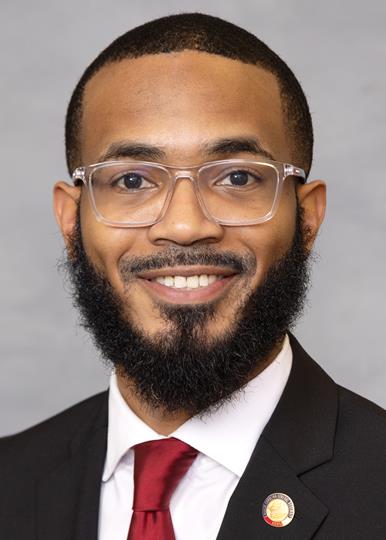
Rep. Jordan Lopez
Sponsored bills
Maddy summaryHB 1235 proposes two constitutional amendments to limit the General Assembly's power and increase legislative transparency. The first amendment would restrict the legislature from passing laws that interfere with the Governor's ability to direct state agencies and manage executive departments, while also placing stricter limits on how administrative powers can be transferred between elected officials. The second amendment would require every bill to address only one specific subject and mandate that bill texts be published to the public and legislators at least 48 hours before a final vote, with exceptions for emergency situations. These changes are not yet in effect; instead, the bill sets up a process to put these amendments on the ballot for North Carolina voters to decide on November 3, 2026.
Maddy summaryThis bill establishes an Interstate Compact for School Psychologists in North Carolina, allowing licensed professionals to practice in other participating states without facing repetitive licensing requirements. The legislation creates a commission to oversee the agreement and defines specific rules for mobility, including provisions for military families and standards for professional conduct. Additionally, the bill allocates funds to support a virtual training program for school psychologists. By streamlining the licensure process, the measure aims to increase the availability of qualified mental health services in schools across member states.
Maddy summaryThis bill, known as the Mike Clampitt 1st Responder Tax Fairness Act, aims to expand tax exemptions for volunteer fire departments and rescue squads in North Carolina. Specifically, it allows these independent groups, which have two or fewer paid employees and are already exempt from state income tax, to avoid paying a highway use tax on specific emergency vehicles like fire trucks, forest firefighting units, and other emergency service vehicles. The change applies to vehicles when a certificate of title is issued on or after July 1, 2026, ensuring these organizations can acquire necessary equipment without incurring this particular tax. By broadening the existing exemption, the legislation directly benefits volunteer responders who operate outside of local government units.
Maddy summaryThis bill proposes to allocate $2,178,000 in state funds to hire at least 25 additional Adult Protective Services workers across North Carolina counties starting in the 2026-2027 fiscal year. The money is intended specifically to cover salaries and benefits for new staff who will investigate reports of elder abuse, neglect, and exploitation, with distribution based on factors like case volume and the number of seniors in each area. The legislation explicitly prohibits using these funds to replace existing staff or for any purpose other than paying the new workers. Although the bill was withdrawn from committee in May 2026, its primary function is to increase state funding for local social services agencies to address a growing demand for elder abuse investigations.
Maddy summaryThis bill allocates $6 million in state funds to expand two food assistance programs in North Carolina for the 2026-2027 fiscal year. The first $4 million supports FarmSHARE, which provides grants to buy locally grown food and distribute it for free to food-insecure individuals and households. The second $2 million funds the Double Up Food Bucks Program, allowing people receiving nutrition assistance to use their benefits to purchase fresh fruits and vegetables at farmers markets and other local retailers. Both programs require the state department to submit annual reports detailing participation numbers, distribution metrics, and financial data to legislative oversight committees. The legislation takes effect on July 1, 2026.
Maddy summaryHB 1193, known as the Mike Clampitt Bone Marrow Donation Act, designates November as Marrow Donation Awareness Month in North Carolina. The bill requires the Department of Health and Human Services and the Department of Motor Vehicles to promote bone marrow donation by posting public service announcements online and displaying them at driver license offices. Additionally, the legislation appropriates $100,000 to fund a state-wide public awareness campaign for this initiative, with the law taking effect on July 1, 2026.
Maddy summaryThis bill proposes amending the North Carolina Constitution to ban corporations from spending money to influence election outcomes. It directly affects business entities by stating that only human beings can exercise political spending power within the state. The measure includes specific exceptions for political committees and news organizations owned by parties or candidates, while threatening to revoke corporate legal protections like limited liability for any violations. Because the bill requires voter approval, it will be placed on the November 2026 ballot for a public referendum rather than becoming law immediately.
Maddy summaryThis bill establishes a grant program within the North Carolina Department of Health and Human Services to fund community organizations focused on improving maternal health outcomes for Black women. The program provides financial awards ranging from $10,000 to $50,000 to support initiatives that address social determinants of health, such as housing, transportation, nutrition, and access to childcare. Eligible applicants must be community-based groups led by Black women that offer evidence-based services including doula support, mental health care, and culturally respectful training for health workers. The legislation also requires the department to provide technical assistance to grant recipients and submit annual reports on fund usage and program effectiveness.
Maddy summaryThis bill requires bars and restaurants in North Carolina to provide free drinking water to any customer who asks for it. The rule applies only during hours when alcohol is legally sold and mandates that the water be safe and served in containers holding at least six fluid ounces. To inform the public, the state will distribute posters to these businesses that must be displayed prominently where customers can see them.