

Maddy summaryHB 425 raises North Carolina's legal sales age for all tobacco products, including vaping devices and e-liquids, from 18 to 21. It directly affects retailers (who must obtain a tobacco sales permit) and youth (who are prohibited from purchasing these products). The bill requires retailers to verify purchasers' ages using accepted ID and mandates inspections of retail locations to enforce compliance, with penalties including fines up to $1,000 for violations.
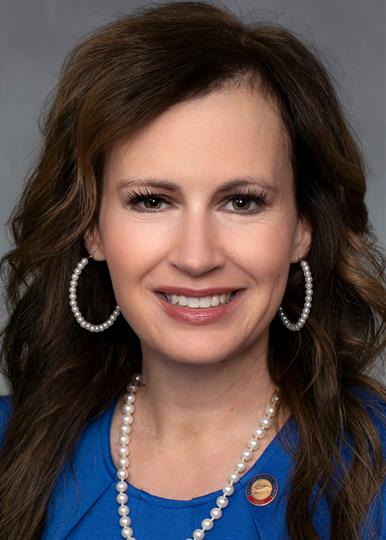
Rep. Tricia Cotham
Sponsored bills
Maddy summaryHB 35 designates November of each year as Military Appreciation Month in North Carolina. The bill creates a symbolic recognition within state law, honoring military service members and veterans during this month. It does not establish new programs, funding, or requirements - it simply formally names November for this purpose. The bill affects the state government's official calendar and public recognition efforts, with no direct impact on individuals or organizations.
Maddy summaryHB 416 appropriates $30,000 from the state General Fund for the 2025-2026 fiscal year to provide a directed grant to the Boys & Girls Clubs of Durham and Orange Counties. The funds will support a six-part youth development program focusing on teen recruitment, emotional safety, leadership, trauma-informed practices, cultural inclusion, and college/career readiness for area youth. This bill directly affects the Boys & Girls Clubs in those counties and the young people they serve, becoming effective July 1, 2025.
Maddy summaryHB 182 creates two key policy changes: First, it allows judges to issue lifetime no-contact orders against defendants convicted of certain violent offenses (including sex offenses requiring registration), requiring a show-cause hearing to determine if the victim fears future contact. Second, it clarifies that caregivers of children under 16 who commit or allow sexual acts with the child face Class D felony charges, specifically expanding penalties for permitting such abuse. The law directly affects victims of violent crimes (through the no-contact protections) and caregivers of children under 16 (through updated felony charges for sexual abuse). These provisions apply to offenses committed on or after December 1, 2025.
Maddy summaryHB 52, the "Protect Those Who Serve and Protect Act of 2025," increases penalties for assaults against public safety personnel and their animals. It creates a new Class I felony offense for throwing, spraying, or projecting substances (like water) at public safety officers or law enforcement/search and rescue animals while they are on duty or due to their role. The bill also prohibits intentionally pointing laser devices at these protected individuals or animals during duty. These changes update existing assault laws to explicitly cover a wider range of emergency workers (including firefighters, medical staff, National Guard members, and school employees) and add specific protections for animals used in public safety.
Maddy summaryHB 367 requires North Carolina's State Crime Laboratory to provide sexual assault victims with updates on the status of their examination kits. Victims will be notified if their kit cannot be tested, if testing is declined for reasons other than untestability, or if the kit is scheduled for destruction. The law mandates that the lab develop procedures for these notifications but specifies victims must provide and maintain current contact information. This law takes effect October 1, 2025, applying to all kits submitted before, on, or after that date.
Maddy summaryHB 360, the Homeowner Protection Act, targets fraud involving residential property documents. It increases penalties for forging deeds, leases, or wills related to homes (making it a Class D felony instead of Class H) and creates an expedited court process for victims. Homeowners affected by fraudulent property records can file a "memorandum of possible fraud" to trigger a court hearing, where judges can void the false documents and clear title clouds. The law also requires recording offices to flag fraudulent instruments and prohibits fees for these protective filings. The bill is currently pending in the House Judiciary Committee.
Maddy summaryHB 11 would allow North Carolina taxpayers to deduct overtime pay, up to $2,500 in bonus pay (defined as cash awards for workplace dedication), and reported tips from their taxable income. It applies to individuals and married couples filing jointly, with each spouse eligible for separate deductions. The bill specifically defines "bonus pay" to exclude tips and requires taxpayers to provide documentation to claim the deduction. This policy change would take effect for tax returns filed in 2025.
Maddy summaryHB 242 adds freestanding psychiatric hospitals (licensed, Medicare-certified facilities primarily providing psychiatric care that are not state-owned) to North Carolina’s Medicaid Healthcare Access and Stabilization Program (HASP). This expands the existing program - which currently reimburses acute care hospitals - to include these psychiatric hospitals, providing them with increased Medicaid reimbursements. The funding will come from a new quarterly assessment levied on the psychiatric hospitals themselves, calculated as a percentage of their hospital costs. The bill does not change patient eligibility but alters how these specific hospitals receive Medicaid payments through the HASP program.
Maddy summaryHB 343 appropriates $380,000 for 2025-26 and $397,000 for 2026-27 to create four full-time ombudsman positions within North Carolina’s Long-Term Care Ombudsman Program. This directly affects residents of nursing homes, adult care homes, and family care homes by enhancing advocacy for their rights and care quality. The bill’s key provision funds staff to move the state’s program toward national standards for resolving facility issues without formal complaints. It becomes effective July 1, 2025, with no advocacy language - only a concrete funding mechanism for expanded protections.