

Maddy summaryHB 1096, the First in Flight Act, allocates state funding to support North Carolina's aerospace industry and airport infrastructure. The bill creates a new aviation capital project account to provide grants to airports for modernization projects, provided those projects are linked to agreements with aerospace businesses. Additionally, it establishes an aerospace apprenticeship program and funds community college training initiatives to develop a skilled workforce in the sector. These measures aim to strengthen the state's economic position in aviation by improving facilities and expanding educational opportunities.
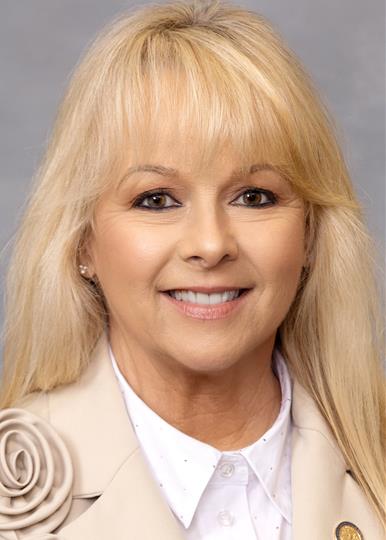
Rep. Julia Greenfield
Sponsored bills
Maddy summaryThis bill appropriates $35 million in recurring state funds to the North Carolina Housing Finance Agency for the Workforce Housing Loan Program. The funding is designated to support the program's operations and loans for eligible workforce members seeking affordable housing. These funds will become available starting with the 2026-2027 fiscal year. The legislation takes effect on July 1, 2026.
Maddy summaryThis bill creates the Affordable Maternal Access and Cancer Care Act to improve health outcomes for marginalized groups in North Carolina by establishing two new programs. The first part sets up a grant program that provides funding to community-led organizations to address maternal mortality and severe illness among underserved populations, with a focus on supporting social needs like housing, nutrition, and transportation. The second part ensures that patients do not face higher costs for necessary breast imaging tests compared to standard screening mammograms. The legislation appropriates five million dollars for the 2026-2027 fiscal year to fund these initiatives and hire staff to manage the grants.
Maddy summaryThis bill expands the property tax exemption for disabled veterans and their surviving spouses in North Carolina by increasing the excluded home value from $45,000 to the entire appraised value of the primary residence. To offset the resulting loss in local tax revenue, the state will reimburse counties and cities for the taxes they no longer collect from these exempt properties. The legislation also allocates $100,000 to cover administrative costs and sets the changes to take effect for tax years beginning on or after July 1, 2027.
Maddy summaryHB 1129 allows residential customers in North Carolina to install and operate small, portable solar panels up to 1.2 kilowatts without needing approval or paying extra fees from their electric power supplier. The bill requires these devices to be safety-certified, comply with electrical codes, and include a feature that stops them from sending power to the grid during an outage, while also exempting them from standard net metering rules. Additionally, the law prevents landlords of larger rental properties from blocking tenants from placing these devices on their units, provided the installation does not block emergency exits or cause property damage.
Maddy summaryThis bill redirects $6.75 million in state funding from the Carolina Pregnancy Care Fellowship to evidence-based maternal and infant health programs administered by the Department of Health and Human Services. It requires crisis pregnancy centers receiving state funds to submit detailed annual reports on their finances, staffing, and client services, while also mandating that these centers provide free copies of client records upon request. The legislation defines crisis pregnancy centers as nonprofit organizations offering pregnancy care and counseling but excludes facilities that perform abortions. These changes are designed to increase transparency and shift financial support toward specific public health initiatives starting in the 2026-2027 fiscal year.
Maddy summaryThis bill strengthens traffic safety and law enforcement in Mecklenburg County by funding 12 new State Trooper positions and five additional magistrates, effective in 2026. It increases fines for failing to stop for school buses and expands the use of vehicle registration records as initial proof of driver responsibility in such cases. The legislation also restricts public access to video footage from highway cameras, allowing disclosure only to specific individuals involved in the recorded incident or their legal representatives. Furthermore, the bill raises penalties for moving over violations and street takeover incidents, establishes reckless boating as a criminal offense, and increases fines for assaulting public transit workers.
Maddy summaryThis bill proposes constitutional changes to North Carolina property tax laws, with a primary focus on allowing the state to use area median income as a standard for granting tax relief. It also modifies the existing homestead circuit breaker to adjust income eligibility limits and expands funding for property reappraisals. Because the core amendment requires voter approval, the bill currently sets up a referendum to be voted on by the public in November 2026. If approved, the change would enable the General Assembly to create property tax exemptions based on local income levels across the state. Additionally, the legislation updates rules for nonprofit housing exemptions and directs grant money to county commissioners to support more frequent property valuations.
Maddy summaryHB 1084 clarifies the legal definition of electric bicycles in North Carolina by categorizing them into three classes based on motor power and speed limits, while also granting cities and counties the authority to create their own safety rules. Under this bill, electric bikes are generally allowed on roads and bike paths, but local governments can restrict their use on sidewalks or trails, set speed limits, and require helmets for riders under 18 on certain classes. Additionally, the legislation allocates $100,000 to the Department of Transportation to fund a public awareness campaign focused on electric bicycle safety and proper usage.
Maddy summaryHB 662 provides $40.48 million over two years for salary increases to North Carolina State Highway Patrol officers based on experience and rank, with starting pay at $56,000 and top ranks reaching $224,612 annually. It requires the Patrol to create policies allowing officers to take secondary jobs (e.g., security work) without conflicts of interest or performance issues, effective July 2025. The bill also allocates $3.25 million for bulletproof glass on all Highway Patrol and Capitol Police vehicles and $643,150 for infrastructure at the Huntersville station. These changes directly affect current and retired Highway Patrol members, aiming to improve recruitment, retention, and officer safety through concrete funding and policy adjustments.