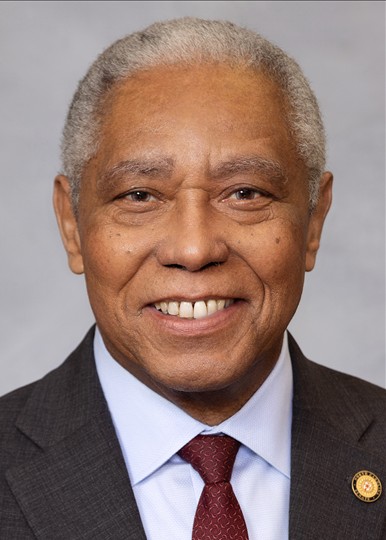
HB 599 provides a 7.5% across-the-board salary increase for all North Carolina Forest Service (NCFS) employees, directly affecting approximately 500+ state workers. The bill appropriates $2.6 million for the 2025-2026 fiscal year (effective July 1, 2025) and an additional $5.2 million for 2026-2027 (effective July 1, 2026) from the state general fund. These increases are funded through recurring annual appropriations, meaning the funding is guaranteed each year. The bill requires no new policy changes but allocates specific state budget resources to adjust employee compensation.
HB 786, the "Working Families Act," reduces child care costs for low-income families by lowering parent copayments from 10% to 7% of income (effective 2025), reinstates a refundable state child tax credit with income-based payments (effective 2025), and phases up North Carolina’s minimum wage to $15/hour by 2030 with annual inflation adjustments. It also increases income limits for property tax relief, creates a homebuyers’ assistance program for public servants (like firefighters and EMTs) as first-time buyers, and establishes a paid family leave insurance program funded through an employer grant program. The bill directly affects working families, hourly workers, public-sector employees, and households using subsidized child care or property tax relief. Key mechanisms include phased wage increases, income-tiered tax credits, and targeted housing support, all designed to reduce financial strain on low-to-moderate-income households.
HB 799 requires North Carolina state and city government workplaces to prohibit 13 specific concepts from training programs and hiring practices, including claims that one race is superior, individuals bear guilt for past group actions, or meritocracy is inherently biased. It bans state job applications from asking about race and prevents agencies from requiring applicants to endorse political or social beliefs as a condition of employment. Violations would be treated as employment discrimination under state law, with enforcement through existing grievance procedures. The bill explicitly excludes First Amendment-protected speech and applies only to state and city government workplaces, not private employers.
HB 826, titled "No Retaliation Against Mandatory Reporters," protects employees required by North Carolina law to report suspected abuse, neglect, fraud, or other threats to vulnerable populations (such as child welfare workers, healthcare providers, and sex offender compliance reporters). The bill prohibits employers from taking retaliatory actions like firing, demoting, or reducing pay against these employees for making good-faith reports. Key provisions require employers to inform workers of their rights, provide annual training on reporting duties, and establish a rebuttable presumption of retaliation if adverse actions occur within 60 days of a report. Enforcement is handled by the North Carolina Commissioner of Labor, who can order reinstatement, back pay, or fines up to $5,000 per violation.
HB 872 protects school employees who use reasonable force to maintain safety in specific situations, such as stopping disturbances, preventing injury, or removing weapons. It creates a legal presumption that such force is reasonable in investigations or court, shifting the burden to prove otherwise to the claimant. The bill prohibits retaliation, dismissal, or license revocation against staff for using reasonable force in line with school policies, even if criminal allegations arise (as long as force was reasonable and no conviction occurs). This directly affects teachers, administrators, and other school personnel by reducing legal risks when responding to safety threats on school property.
HB 940 prohibits employment discrimination based on pregnancy, childbirth, or pregnancy-related conditions in North Carolina. It requires employers to treat pregnant employees the same as others with similar abilities to work, provide reasonable accommodations (like modified schedules or breastfeeding breaks), and grant leave for pregnancy-related disability on par with other medical leave. The bill also mandates that employers allow return to the same or equivalent position after leave and clarifies that discrimination claims must be filed within three years. It directly affects employers with 15+ employees and pregnant or postpartum workers in North Carolina.
HB 973, the Uniform Restrictive Employment Agreement Act, establishes new rules for noncompete, nonsolicitation, and other restrictive employment agreements in North Carolina. It requires employers to provide workers with a written copy of any proposed agreement at least 14 days before signing, clearly state prohibited activities, and give a separate notice as defined by the Department of Labor. The bill directly affects workers and employers by making agreements unenforceable without these specific disclosures and clear terms, covering common restrictions like noncompetes but excluding patent agreements or existing ownership interests. It aims to increase transparency in employment contracts where workers face post-employment work limitations.
HB 960 would temporarily increase North Carolina's unemployment insurance weekly benefits to $600 during declared disasters, directly affecting unemployed workers in areas impacted by disaster declarations under state emergency management law. It requires the state to set aside specific funds in the unemployment insurance fund for these enhanced benefits and mandates certification that sufficient funds are available before implementation. The benefit increase applies only for the duration of an official disaster declaration and ends when the declaration expires. The bill takes effect July 1, 2025.
SB 746 establishes a 11-member Study Committee on Automation and the Workforce to examine how automation impacts North Carolina's labor market, with specific focus on low-income and minority workers. The committee will review effects of AI, robotics, self-service technologies, and software on jobs, analyze education gaps and systemic barriers, and recommend strategies to support affected workers through retraining and new economic opportunities. It must submit its first report to the Governor by the 2027 General Assembly, including specific policy proposals for mitigating negative impacts. This bill creates a study mechanism, not new laws or programs, to inform future state action.
SB 483, "The Children First Act," expands affordable child care access for North Carolina families by increasing financial assistance eligibility to 85% of the state median income and raising subsidy rates to match 2023 market costs. It allocates $50 million annually for subsidies and $15 million for grants to establish new child care facilities in rural or underserved areas, targeting "child care deserts." The bill also creates an employer child care credit and includes workforce licensing reforms to address staffing shortages. These provisions directly affect low-to-moderate-income families, child care providers, and employers seeking to support working parents.
Tags
Children