

Issue · Housing
Housing
Every housing bill, vote, and legislator stance in North Carolina, automatically classified by Maddy, our AI policy reader.
Total bills
36
2025-2026 Session
Top supporter
Nasif Majeed
100% support rate
Top opponent
Lindsey Prather
17% support rate
Ranked legislators
10
5 support · 5 oppose
Key legislators
Who's moving housing in North Carolina
| Legislator | Party | Stance | Support rate | Votes |
|---|---|---|---|---|
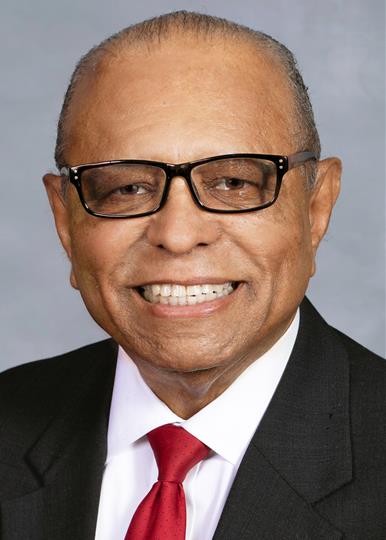
Nasif Majeed
House · District 99
|
I |
Strong +
|
100% | 22 |
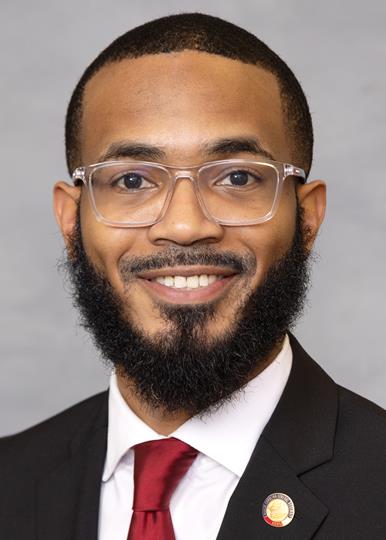
Jordan Lopez
House · District 112
|
D |
Support
|
71% | 28 |
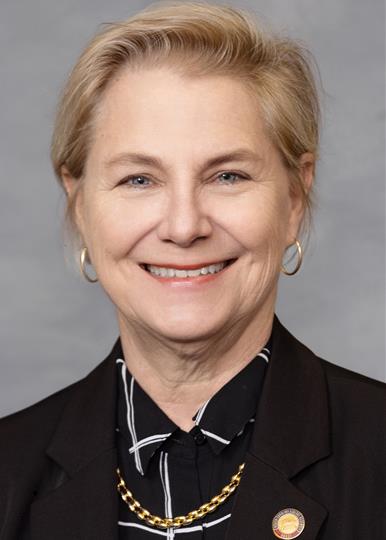
Deb Butler
House · District 18
|
D |
Support
|
71% | 28 |
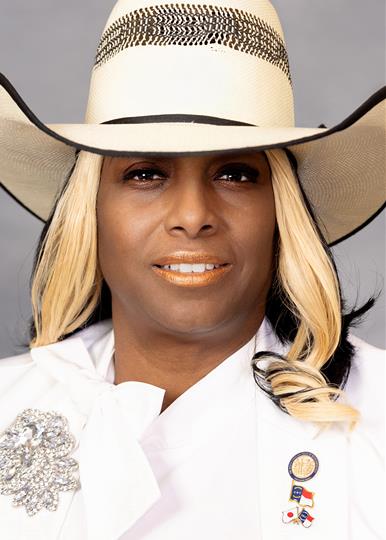
Kanika Brown
House · District 71
|
D |
Support
|
71% | 28 |
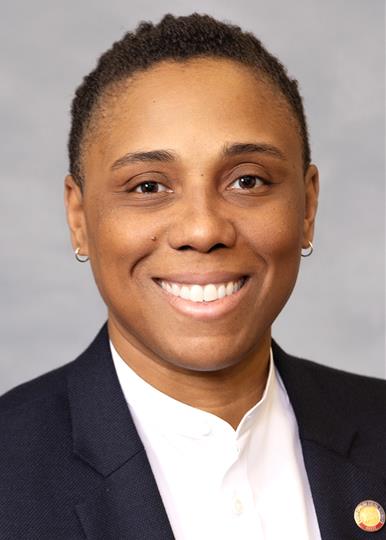
Vernetta Alston
House · District 29
|
D |
Support
|
67% | 26 |

Lindsey Prather
House · District 115
|
D |
Strong −
|
17% | 24 |
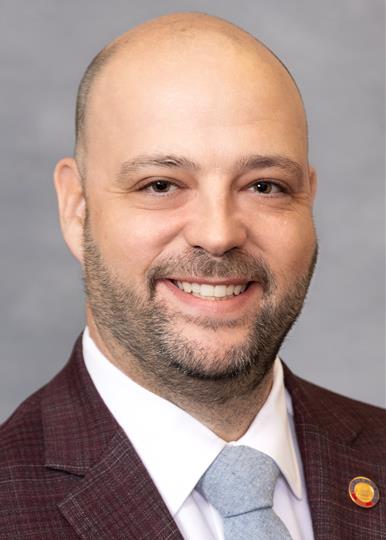
Bryan Cohn
House · District 32
|
D |
Oppose
|
29% | 26 |
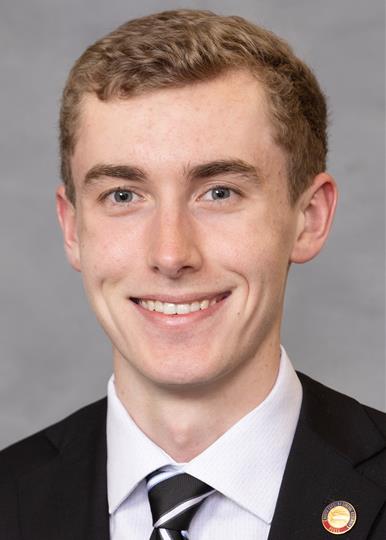
Wyatt Gable
House · District 14
|
R |
Oppose
|
29% | 28 |
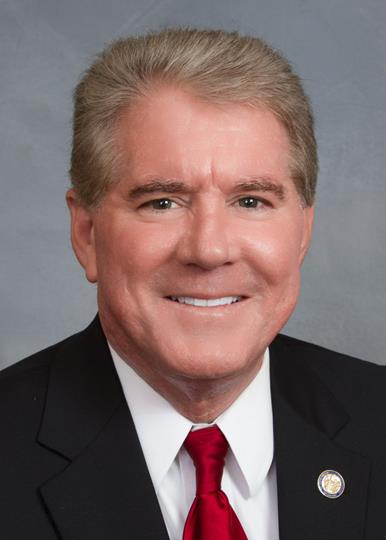
Stephen Ross
House · District 63
|
R |
Oppose
|
29% | 23 |
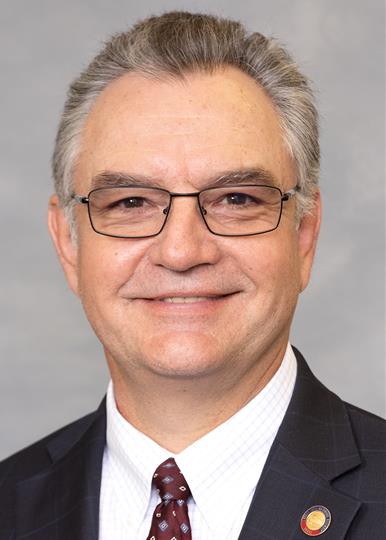
Karl Gillespie
House · District 120
|
R |
Oppose
|
29% | 28 |
Showing 31–36 of 36
bills
All housing bills
SB 724: Safe Parks and Public Spaces Act.
Topics
✗ Criminal JusticeOpposes Criminal JusticeCriminalizes homelessness via misdemeanor penalties for unauthorized camping, expanding criminalization rather than addressing root causes or reforming justice systems.
✗ HousingOpposes HousingBill prohibits unauthorized camping in public spaces, restricting homeless encampments and limiting housing options for vulnerable populations, opposing housing solutions.
HB 24: Restore Down-Zoning Authority.
HB 690: The Citizens Support Act.
Topics
✗ HealthcareOpposes HealthcareRestricts medical benefits to citizens/legal noncitizens, limiting access for undocumented immigrants and others without authorized status per bill's eligibility requirements.
✗ HousingOpposes HousingBill restricts housing benefits to U.S. citizens/legal residents, limiting access for noncitizens and reducing eligibility for state-funded housing assistance.
✗ ImmigrationOpposes ImmigrationRestricts state-funded benefits to citizens/legal noncitizens only, denying access to undocumented immigrants per bill's eligibility requirements.
HB 781: Unauthorized Public Camping and Sleeping.
Topics
✗ Criminal JusticeOpposes Criminal JusticeCriminalizes homelessness through trespassing penalties, expanding criminalization of poverty-related behavior without addressing root causes.
✗ HousingOpposes HousingBans unauthorized public camping/sleeping, restricting housing access for homeless individuals and limiting local government options to address homelessness, contradicting housing support indicators.
Sub-Topics
Homelessness
HB 437: Drug-Free Zones/Unauthorized Public Camping.
Topics
✗ Criminal JusticeOpposes Criminal JusticeIncreases penalties for drug offenses in homeless zones (Class E felony), expanding criminalization and opposing reform by prioritizing punishment over support services.
✗ HousingOpposes HousingBill imposes stricter penalties near homeless services, potentially deterring housing facility development and limiting access to homeless services, opposing housing advancement.