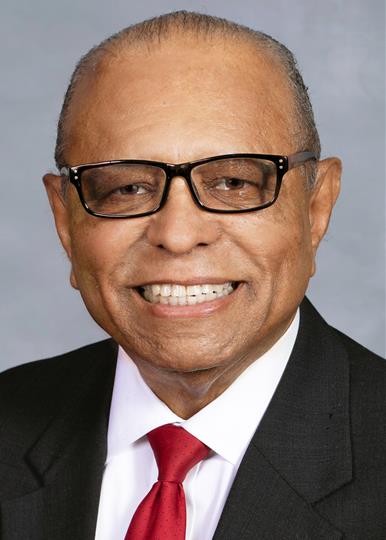
HB 994 allocates $20.3 million in nonrecurring funds and $1 million in recurring funds to support Western North Carolina recovery from Hurricane Helene and expand economic development services. The bill directs $10 million specifically for long-term housing recovery for residents in Western NC whose homes were damaged by Hurricane Helene, $5 million to Community Development Corporations (CDCs) statewide to enhance economic development services, and $300,000 to fund three women’s business centers in Western NC, the Triad, and the Piedmont. An additional $5 million supports the Institute Capital (I-CAP) for statewide economic activities, while the recurring $1 million aids ongoing housing recovery efforts and matches federal disaster funds. The bill directly affects Western NC residents impacted by Hurricane Helene, local CDCs, and small business support organizations through targeted financial assistance.
HB 990 requires North Carolina landlords to provide written notice to tenants before charging certain late fees. Landlords must deliver this notice (via hand, mail, or agreed electronic means) detailing the fee amount, the specific past-due payment, and the date the fee was assessed - before collecting it. The bill applies to late fees for rent payments that are five or more days overdue, capping fees at $15 or 5% of monthly rent (or $4 or 5% weekly). This law takes effect October 1, 2025, directly affecting residential landlords and tenants in the state.
SB 237 appropriates $55,000 from the state General Fund to provide a one-time grant to the nonprofit organization CAREE (Citizens Advocating for Racial Equity and Equality) for its transitional housing programs in Pitt County. The funds, designated as nonrecurring for the 2025-2026 fiscal year, directly support CAREE's existing efforts to assist individuals transitioning from homelessness or unstable housing. The bill becomes effective July 1, 2025, with no new policy requirements or eligibility changes beyond the funding allocation.
HB 913 aims to hold local governments accountable for development decisions by allowing or mandating the recovery of attorneys' fees and, in some cases, punitive damages for parties who successfully sue them. It directly affects local governments and individuals or entities involved in development projects. The bill mandates attorneys' fees if a local government intentionally violates development laws, intentionally delays approvals, or acts deceptively to provoke legal action. Additionally, punitive damages, up to ten times the proven harm, can be awarded if a local government acts in a flagrantly unfair or deceptive manner with the intent to cause legal action. However, local governments are protected from these awards if they acted in reasonable reliance on court orders or Attorney General opinions.
HB 306 authorizes the Towns of Blowing Rock and Boone, Watauga County, and the Watauga County Board of Education to construct and provide affordable housing for their employees, including public school teachers. These local government units can build housing on their own property, partner with other entities, or contract with businesses for development. They are permitted to rent or sell these units exclusively to their employees, offering below-market rates, financing, and placing resale restrictions. All housing constructed under this act must comply with applicable building codes and zoning ordinances.
HB 627 requires local governments to allow the construction of at least one accessory dwelling unit (ADU) for each single-family home in residential zones, aiming to increase affordable housing options. The bill prohibits local governments from imposing certain restrictions, such as minimum parking requirements, banning long-term rentals of both units, or setting maximum ADU sizes under 800 square feet. However, local governments may still regulate aspects like setbacks or require ADUs to be smaller than the primary dwelling. Local governments must adopt regulations by January 1, 2027, or ADUs will be permitted without any local limitations.
SB 164 creates a new Class F felony offense for entering someone's property without legal justification during a declared emergency in an emergency area and taking, damaging, or destroying *temporary shelter* - such as tents, trailers, mobile homes, or vehicles used as living quarters. It directly affects individuals who might loot temporary housing following disasters like floods or storms, where standard security is compromised. The law specifies that victims can sue offenders for triple their actual damages plus legal fees. This amendment to North Carolina law (effective December 2025) targets the specific act of stealing or damaging emergency housing, not general property crimes.
HB 251 prohibits North Carolina state agencies from denying disaster recovery assistance (like grants) based on a person's political affiliation or political speech. It applies to all applicants for state disaster aid, including U.S. citizens, nationals, and qualified aliens, and sets penalties of a Class I felony for violations. The bill also defines "temporary housing" (such as trailers or tents) and adds criminal penalties for stealing such housing during declared emergencies. These changes aim to ensure state disaster aid is distributed fairly and protect emergency housing resources.
Tags
Emergency Management
HB 118 modifies North Carolina's property tax exemption for disabled veterans, replacing a flat $45,000 exclusion with a percentage-based system tied to the veteran's VA disability rating. It directly affects veterans with a 50% or higher service-connected disability rating (or surviving spouses under specific conditions), allowing them to exclude a portion of their home's appraised value from property taxes - equal to their disability percentage. For example, a veteran with a 70% disability rating would exclude 70% of their home's value from taxes. The bill takes effect for taxes due in 2025 and prohibits combining this relief with other property tax exemptions.
SB 55 creates a fast-track court process for property owners or their authorized representatives (like real estate brokers) to remove people occupying residential property without legal right, such as squatters. To qualify, the owner must prove the occupant has no lease, hasn't paid rent, and wasn't invited, while excluding tenants who stayed past their lease term. The process requires a hearing within 48 hours of filing, with removal ordered within 4 hours of the court decision. An appeal requires a $10,000 bond and allows a full trial in district court.