Issue · Healthcare

Healthcare

Every healthcare bill, vote, and legislator stance in North Carolina, automatically classified by Maddy, our AI policy reader.

Total bills
361
2025-2026 Session
Top supporter
Ray Pickett
89% support rate
Top opponent
Amber Baker
0% support rate
Ranked legislators
10
5 support · 5 oppose
Key legislators

Who's moving healthcare in North Carolina

Legislators moving healthcare in North Carolina
Legislator Party Stance Support rate Votes
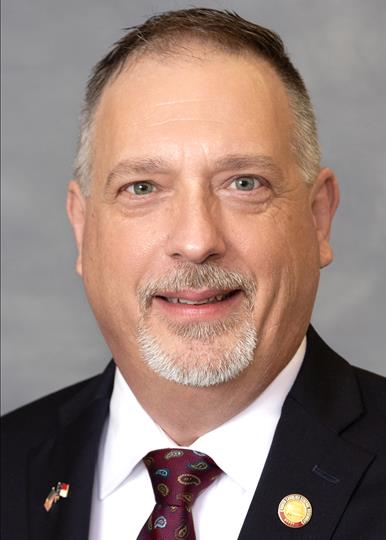
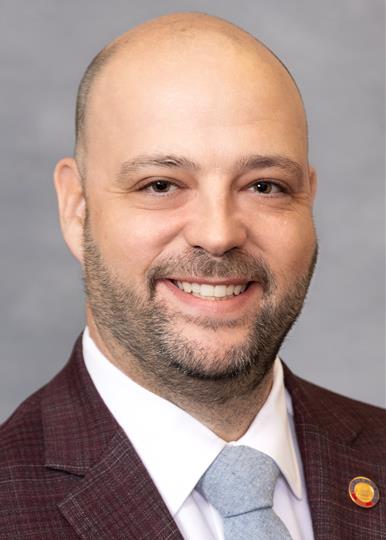
Ray Pickett
Ray Pickett House · District 93
R
Strong +
89% 22
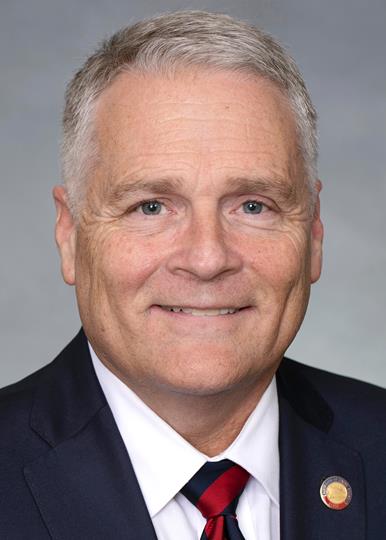
Kelly Hastings
Kelly Hastings House · District 110
R
Strong +
89% 23
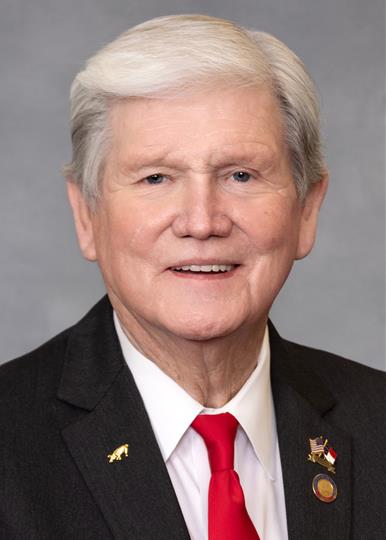
Jimmy Dixon
Jimmy Dixon House · District 4
R
Strong +
89% 24
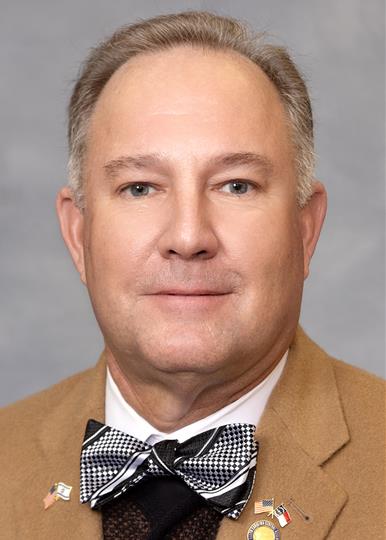
Jeff McNeely
Jeff McNeely House · District 84
R
Strong +
89% 25
Bryan Cohn
Bryan Cohn House · District 32
D
Strong +
88% 22
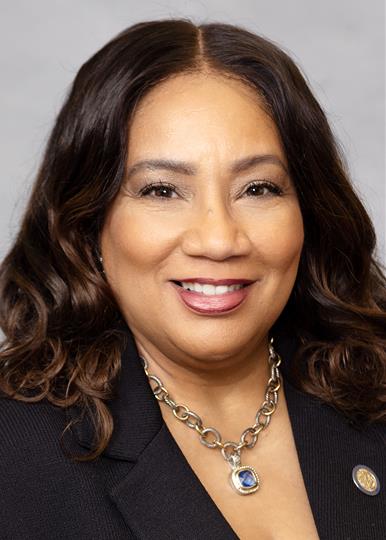
Amber Baker
Amber Baker House · District 72
D
Strong −
0% 19
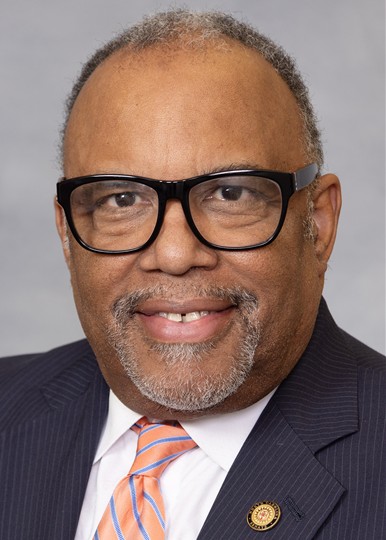
Paul Lowe
Paul Lowe Senate · District 32
D
Strong −
20% 15
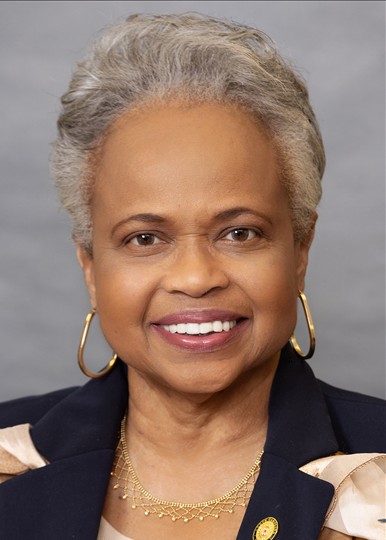
Gladys Robinson
Gladys Robinson Senate · District 28
D
Strong −
20% 16
Mary Belk
Mary Belk House · District 88
D
Strong −
20% 26
Maria Cervania
Maria Cervania House · District 41
D
Strong −
20% 26
Showing 331–340 of 361 bills

All healthcare bills

in committee · North Carolina · House Apr 17, 2025

HB 824: Expand Treatment Access/Opioid Use Disorder.

HB 824 aims to expand access to treatment for opioid use disorder and overdose for individuals covered by health benefit plans. It requires health insurers to cover specific healthcare services provided by pharmacists, such as testing and medication administration, if those services are within a pharmacist's scope of practice. The bill also mandates coverage for all FDA-approved prescription drugs for opioid disorder and overdose, prohibiting prior authorization for these medications. Additionally, it updates state laws to ensure mental health benefits in health plans are no less favorable than physical health benefits, aligning with federal requirements.
in committee · North Carolina · House Apr 17, 2025

HB 634: Parity Enhancement for Addiction Recovery.

HB 634 updates North Carolina laws to enhance parity in health insurance coverage for mental health and addiction recovery. It requires all health benefit plans to provide benefits for mental health conditions that are no less favorable than those for physical illnesses, including applying the same financial limits. A key provision mandates that medical necessity determinations for substance use disorders must rely solely on the most recent American Society of Addiction Medicine criteria. The bill also requires the State Health Plan for Teachers and State Employees to comply with these new utilization review standards and updates terminology from "chemical dependency" to "substance use disorder" in relevant statutes.
died · North Carolina · Senate Mar 6, 2025

SB 238: Edgecombe and Pitt County School Nurses.

SB 238 allocates $530,000 in recurring state funds for Edgecombe County Public Schools and $1.675 million for Pitt County Schools to ensure every public school in both counties has at least one full-time, permanent school nurse starting July 1, 2025. The funds must supplement - not replace - existing resources for school nursing services. This bill directly affects students and school staff in all public schools within Edgecombe and Pitt Counties by providing dedicated nursing support. It does not create new positions but secures ongoing state funding to address staffing needs.
died · North Carolina · Senate Mar 6, 2025

SB 247: Redirect Crisis Pregnancy Center Funds.

SB 247 redirects $6.25 million annually from crisis pregnancy centers to evidence-based maternal and infant health programs administered by North Carolina's Department of Health and Human Services, starting July 2025. It requires the State Auditor to audit Carolina Pregnancy Care Fellowship by March 2026 and mandates detailed reporting from all crisis pregnancy centers receiving state funds. These centers must disclose service types, demographics of clients, funding sources, and whether they misrepresent as medical facilities. The bill aims to increase transparency and reallocate resources toward proven maternal health initiatives.
died · North Carolina · Senate Mar 6, 2025

SB 246: Create 13,000 Jobs Serving People With I/DD.

SB 246 increases North Carolina's Medicaid Innovations Waiver slots by 5,000 for the 2025-2026 fiscal year and another 5,000 for 2026-2027, directly serving approximately 19,000 people with intellectual or developmental disabilities (I/DD) currently on a waiting list. The bill allocates $134 million (2025-2026) and $357.34 million (2026-2027) in state funds to cover a state match for federal funds, enabling these slots to be distributed based on waitlist length. It requires that direct care workers receive at least $20 per hour and ensures unused slots are redistributed to providers meeting wage and service capacity standards. This policy aims to reduce the waiting list, support caregivers in returning to work, and stimulate local economies through new jobs and community-based services.
Sub-Topics Medicaid
passed · North Carolina · House Apr 28, 2025

HB 592: Toxic-Free Medical Devices Act of 2025.

House Bill 592, known as the Toxic-Free Medical Devices Act of 2025, aims to prohibit the use of a chemical called DEHP in certain medical devices within North Carolina. Specifically, it bans the manufacturing, selling, and distributing of intravenous solution containers and intravenous tubing that are intentionally made with DEHP. The prohibition for IV solution containers takes effect on January 1, 2030, and for IV tubing on January 1, 2035. The bill also prevents replacing DEHP with other similar chemicals in these devices and sets limits for unintentionally present DEHP, while exempting certain blood-related products. Violations of these provisions could lead to administrative penalties.
passed · North Carolina · Senate Apr 28, 2025

SB 369: Medicaid Telehealth Services.

SB 369 aims to ensure that certain telehealth providers can enroll as Medicaid providers in North Carolina. The bill specifies that individual health care providers, licensed by the state and offering services exclusively through telemedicine, do not need a physical presence in the state to be eligible for Medicaid enrollment. Additionally, medical provider groups that exclusively offer telemedicine services will not be required to have an in-state service address to enroll as Medicaid provider groups. This measure directly affects telehealth providers and Medicaid recipients by clarifying requirements for remote healthcare services.
Sub-Topics Medicaid Telehealth
passed · North Carolina · Senate Apr 28, 2025

SB 190: Physician Assistant Licensure Compact.

This bill establishes the Physician Assistant (PA) Licensure Compact, a multi-state agreement designed to enhance the ability of PAs to practice in multiple participating states. It allows PAs who hold a qualifying license and meet national standards, including specific education and certification requirements, to obtain a "Compact Privilege" to practice in other member states. The Compact aims to improve access to medical services and ease licensing burdens for PAs, including military spouses. It also maintains patient safety through shared regulatory oversight and a central data system for tracking licenses and disciplinary actions across participating states.
passed · North Carolina · Senate Apr 28, 2025

SB 370: Repeal Certificate of Need Laws.

This bill proposes to repeal North Carolina's Certificate of Need (CON) laws, which currently require healthcare providers to obtain state approval for certain projects. These projects include building new facilities, expanding existing services, or acquiring major medical equipment. By eliminating these requirements, the bill would remove a regulatory step for various healthcare facilities, such as hospitals, nursing homes, and diagnostic centers, looking to establish or grow their operations. The bill achieves this by amending several state statutes to remove references to the Certificate of Need process.
passed · North Carolina · House Apr 30, 2025

HB 163: Pharmacy Benefits Manager Provisions.

HB 163 regulates Pharmacy Benefits Managers (PBMs) to ensure fair practices for pharmacies and insured individuals. The bill prohibits PBMs from charging insurers more for a prescription drug than they pay the pharmacy (spread pricing) and requires patient out-of-pocket costs to be based on the net price after any PBM concessions. It establishes minimum reimbursement standards for pharmacies, preventing PBMs from paying less than the national average drug acquisition cost plus a dispensing fee. Additionally, it clarifies that PBMs cannot restrict accredited pharmacies from dispensing specialty drugs and strengthens audit protections for pharmacies.
Sub-Topics Prescription Drugs
Showing 331 to 340 of 361 bills
Previous 1 33 34 35 37 Next