Issue · Healthcare

Healthcare

Every healthcare bill, vote, and legislator stance in North Carolina, automatically classified by Maddy, our AI policy reader.

Total bills
342
2025-2026 Session
Top supporter
Ray Pickett
89% support rate
Top opponent
Amber Baker
0% support rate
Ranked legislators
10
5 support · 5 oppose
Key legislators

Who's moving healthcare in North Carolina

Legislators moving healthcare in North Carolina
Legislator Party Stance Support rate Votes
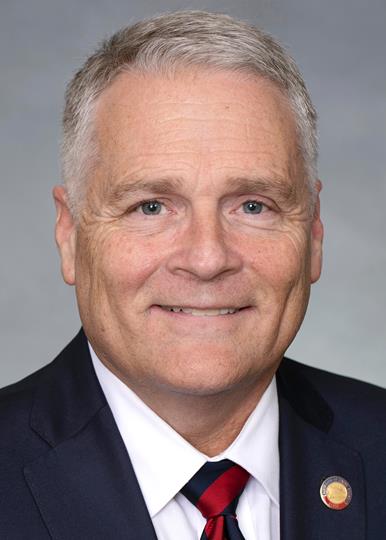
Ray Pickett
Ray Pickett House · District 93
R
Strong +
89% 22
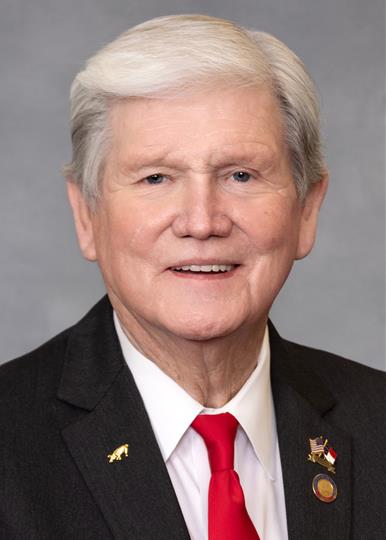
Kelly Hastings
Kelly Hastings House · District 110
R
Strong +
89% 23
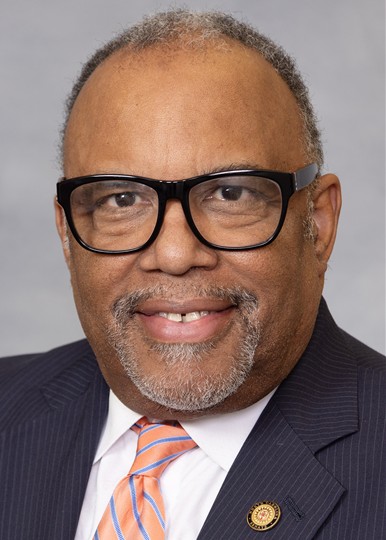
Jimmy Dixon
Jimmy Dixon House · District 4
R
Strong +
89% 24
Jeff McNeely
Jeff McNeely House · District 84
R
Strong +
89% 25
Bryan Cohn
Bryan Cohn House · District 32
D
Strong +
88% 22
Amber Baker
Amber Baker House · District 72
D
Strong −
0% 19
Paul Lowe
Paul Lowe Senate · District 32
D
Strong −
20% 15
Gladys Robinson
Gladys Robinson Senate · District 28
D
Strong −
20% 16
Mary Belk
Mary Belk House · District 88
D
Strong −
20% 26
Maria Cervania
Maria Cervania House · District 41
D
Strong −
20% 26
Showing 281–290 of 342 bills

All healthcare bills

in committee · North Carolina · House Mar 26, 2025

HB 502: Gender-Affirming Rights Act.

HB 502, the Gender-Affirming Rights Act, repeals North Carolina’s prohibition on gender transition procedures for minors and the use of state funds for such care. It establishes a new legal framework affirming that transgender, nonbinary, and gender-diverse individuals have the right to make autonomous decisions about gender-affirming health care, including treatment for gender dysphoria. The bill mandates that licensed health care professionals complete cultural competency training on LGBTQ care, covering topics like using inclusive terminology, addressing health disparities, and maintaining confidentiality. This directly affects transgender and gender-diverse minors, their health care providers, and local governments, prohibiting additional restrictions beyond the act’s provisions. The law defines "gender-affirming care" and requires health care professionals to provide respectful, nondiscriminatory services aligned with clinical best practices.
in committee · North Carolina · House Mar 27, 2025

HB 522: Crisis Pregnancy Center Fraud Prevention Act.

HB 522 prohibits crisis pregnancy centers (CPCs) in North Carolina from falsely advertising that they provide abortion or emergency contraceptive services when they do not. It defines this as a deceptive practice, requiring CPCs to clearly disclose staff qualifications and service offerings (like abortion care) on-site or via corrective advertising. The bill establishes a complaint process for the Attorney General to enforce violations, with civil penalties up to $5,000 per violation, and mandates a state health department evaluation of CPCs’ impact on reproductive healthcare access by 2026. This directly affects CPCs operating in the state, particularly those receiving public funds and targeting marginalized communities.
Sub-Topics Women's Health Tags Consumer Protection
in committee · North Carolina · House Mar 26, 2025

HB 509: Right to Reproductive Freedom Act.

HB 509, the Right to Reproductive Freedom Act, codifies the constitutional protections for abortion access established in Roe v. Wade and Planned Parenthood v. Casey by prohibiting North Carolina from imposing restrictions that create an undue burden before fetal viability. The bill allows state restrictions only after fetal viability to preserve life or health and defines "undue burden" as any substantial obstacle to accessing abortion care. It removes barriers such as unnecessary parental consent requirements for minors and expands the scope of healthcare providers (including nurse practitioners and certified nurse midwives) who can perform or assist with abortion care. Additionally, the bill requires health insurance plans to cover abortion services and related complications, ensuring broader access for insured individuals.
died · North Carolina · Senate Apr 1, 2025

SB 418: NC Health Benefits Exchange Implementation.

SB 418 authorizes North Carolina's Commissioner of Insurance to establish and operate a state-run health benefits exchange, creating a marketplace for residents to shop for health insurance plans compliant with federal law. The bill gives the Commissioner authority to set rules, apply for federal funding, and form advisory committees to manage the exchange, with $100,000 appropriated for 2025-2026 to launch it. This directly affects North Carolinians seeking health insurance, providing an alternative to the federal marketplace. The exchange must align with the federal Affordable Care Act, and the bill explicitly prohibits state agencies from pursuing a federal "Partnership" model without legislative approval.
Sub-Topics Insurance
in committee · North Carolina · House Mar 31, 2025

HB 551: Clubhouse Expansion.

HB 551 aims to improve access to Clubhouse model programs for North Carolinians with severe mental illness by creating a statewide reimbursement system for these services. It requires the state mental health agency to develop a plan by 2026 that includes incentives for Clubhouses to gain accreditation, consistent funding rates across regions, and staff training. The bill allocates $2.5 million in recurring funds starting July 2026 to support accredited Clubhouses for current programs, expansion, accreditation costs, and staff training. It also mandates Medicaid coverage for services under this new reimbursement system, directly affecting individuals with severe mental illness and Clubhouse providers.
Sub-Topics Medicaid Mental Health
in committee · North Carolina · House Apr 1, 2025

HB 608: Protect Health and Government Personnel Info.

HB 608 amends North Carolina's computer trespass law to add automatic minimum damages for unauthorized copying of protected health information (like medical records) or government employee personnel files (including SSNs, medical history, and salary details). It establishes a $5,000 minimum penalty per violation for breaches involving either type of sensitive data, replacing the previous requirement to prove actual damages. The law directly affects healthcare providers, government employers, and anyone handling such data, ensuring victims can recover at least $5,000 per incident without proving financial loss. The bill takes effect July 1, 2025, and applies to offenses committed after that date.
in committee · North Carolina · House Apr 1, 2025

HB 619: Health Care Security Act.

HB 619, the Health Care Security Act, repeals a law that would have ended Medicaid expansion coverage in North Carolina if federal funding dropped below 90%. This change directly affects the state's Medicaid expansion population, ensuring their coverage remains secure regardless of federal funding fluctuations. The bill removes a specific statutory trigger (G.S. 108A-54.3C) that previously threatened automatic discontinuation of benefits. It does not create new programs or alter eligibility but prevents coverage loss due to federal funding changes. The act becomes effective upon enactment.
Sub-Topics Medicaid
died · North Carolina · House Apr 1, 2025

HB 591: Electronic Monitoring in Nursing/Adult Care Homes.

HB 591, the G.U.A.R.D. Act, allows residents of nursing homes and adult care facilities in North Carolina to install and use their own electronic monitoring devices (like cameras or audio recorders) in their rooms at their own expense. The bill requires facilities to provide power, mounting space, and not deny admission or discharge based on a resident's request for monitoring. Recordings from these devices can be used as evidence in court, and facilities face fines or jail time for violating the law. The act directly affects residents and their families by giving them greater control over monitoring their living environment while protecting facility obligations.
Sub-Topics Long-Term Care
in committee · North Carolina · House Apr 2, 2025

HB 629: Extend Primary Care Task Force.

HB 629 extends the deadline for North Carolina's Primary Care Payment Reform Task Force from May 1, 2024, to December 31, 2026. The task force studies primary care spending across Medicaid, the State Health Plan, and commercial insurance to evaluate system adequacy, define primary care services, and identify data collection methods. This extension allows the task force additional time to complete its analysis and submit reports to legislative committees, directly affecting state agencies like the Department of Health and Human Services responsible for implementing the study.
in committee · North Carolina · House Apr 2, 2025

HB 624: Prescription Drug Pricing.

HB 624 requires drug manufacturers to notify state agencies, insurers, and pharmacy benefit managers 60 days before raising prices on prescription drugs by 10% or more in a year. Manufacturers must disclose the justification for price hikes, previous marketing budgets, and historical pricing data within 30 days of notification. The bill also mandates rapid disclosure of pricing for new FDA-approved drugs and requires manufacturers to inform prescribers if a drug contains ingredients known to cause dependency. The state will create a public online portal for transparency, including annual reports on the most prescribed, costliest, and fastest-increasing drugs, but does not set price limits.
Sub-Topics Prescription Drugs
Showing 281 to 290 of 342 bills
Previous 1 28 29 30 35 Next