Issue · Healthcare

Healthcare

Every healthcare bill, vote, and legislator stance in North Carolina, automatically classified by Maddy, our AI policy reader.

Total bills
361
2025-2026 Session
Top supporter
Ray Pickett
89% support rate
Top opponent
Amber Baker
0% support rate
Ranked legislators
10
5 support · 5 oppose
Key legislators

Who's moving healthcare in North Carolina

Legislators moving healthcare in North Carolina
Legislator Party Stance Support rate Votes
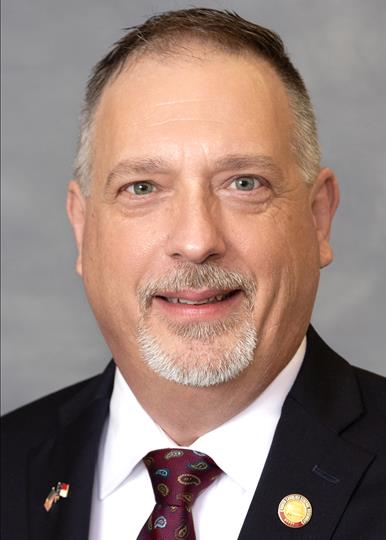
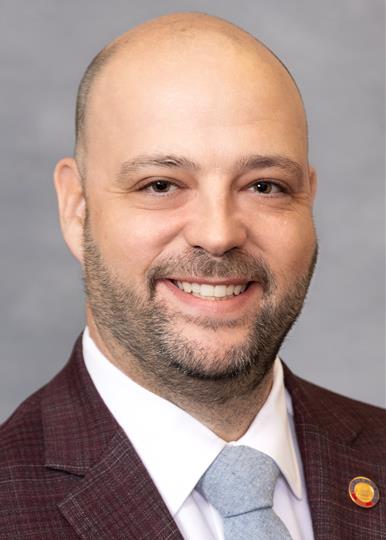
Ray Pickett
Ray Pickett House · District 93
R
Strong +
89% 22
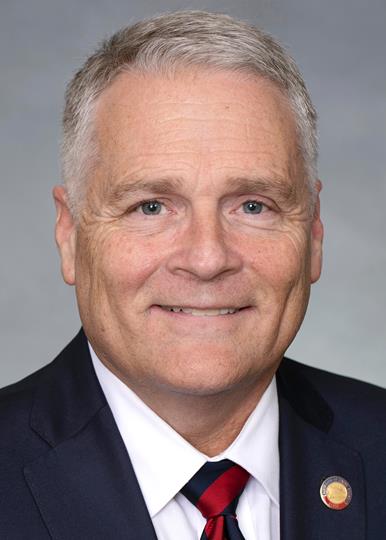
Kelly Hastings
Kelly Hastings House · District 110
R
Strong +
89% 23
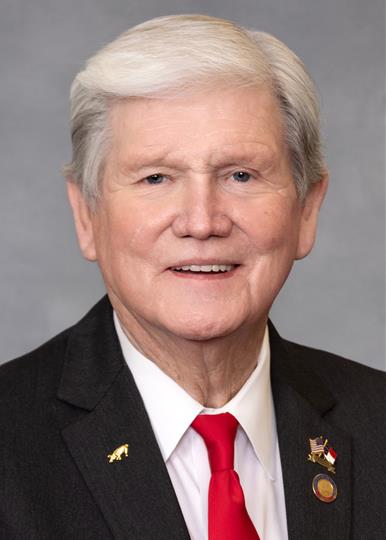
Jimmy Dixon
Jimmy Dixon House · District 4
R
Strong +
89% 24
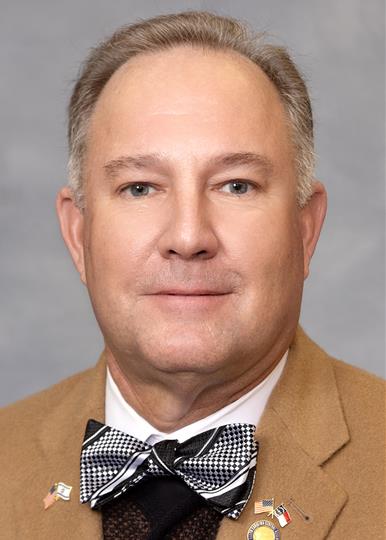
Jeff McNeely
Jeff McNeely House · District 84
R
Strong +
89% 25
Bryan Cohn
Bryan Cohn House · District 32
D
Strong +
88% 22
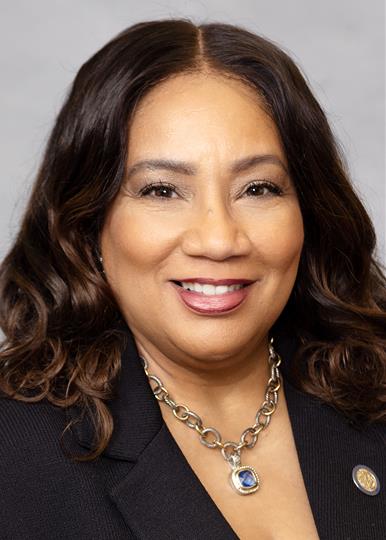
Amber Baker
Amber Baker House · District 72
D
Strong −
0% 19
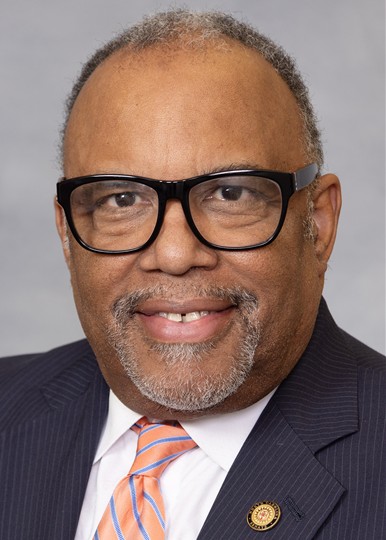
Paul Lowe
Paul Lowe Senate · District 32
D
Strong −
20% 15
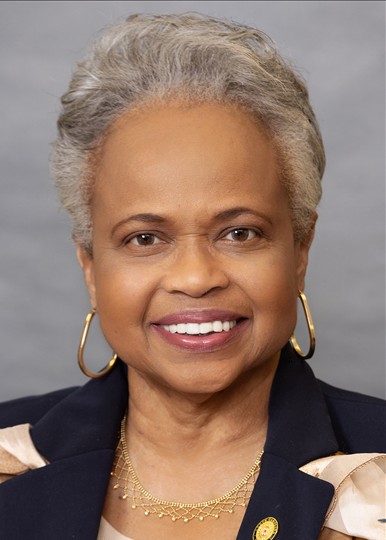
Gladys Robinson
Gladys Robinson Senate · District 28
D
Strong −
20% 16
Mary Belk
Mary Belk House · District 88
D
Strong −
20% 26
Maria Cervania
Maria Cervania House · District 41
D
Strong −
20% 26
Showing 261–270 of 361 bills

All healthcare bills

in committee · North Carolina · Senate Mar 26, 2025

SB 517: Fair Pricing and Trnspncy/340B Covered Entities.

SB 517 requires hospitals and clinics participating in the federal 340B Drug Pricing Program (which provides discounted drugs to safety-net providers) to charge patients no more than the actual cost they paid for those drugs. It also mandates annual public reporting by these "covered entities" starting in 2026, including details on 340B drug costs, payments received from insurers/patients, charity care expenses, and contracts with pharmacies. The bill specifies that covered entities must disclose how many prescriptions used 340B drugs, whether they passed discounts to low-income patients, and financial details about pharmacy partnerships. All submitted reports will be posted online by the state health department for public access. This law directly affects North Carolina hospitals and clinics enrolled in the federal 340B Program.
Sub-Topics Prescription Drugs
in committee · North Carolina · Senate Mar 26, 2025

SB 531: Extended Inpatient Treatment Reimbursable.

SB 531 requires North Carolina's mental health agencies (LME/LME/MCO) to reimburse private treatment facilities for inpatient care provided to patients under court-ordered mental health treatment when care extends beyond 30 days. This directly affects private facilities that provide extended mental health care for individuals committed by court order. The bill mandates that state agencies cover these costs, shifting financial responsibility from private providers to the state. It applies to treatments beginning on or after the law's effective date.
in committee · North Carolina · Senate Mar 26, 2025

SB 572: Greater Access to Fertility Medication.

SB 572 requires health benefit plans that cover fertility treatment to remove annual or lifetime limits on ovulation medications and ovulation induction cycles, treating these medications the same as other prescription drugs. It applies to both private health plans (effective October 2025) and North Carolina’s State Health Plan for Teachers and State Employees (effective January 2026), which must eliminate such limits for in-network services. The bill does not mandate fertility treatment coverage but ensures existing coverage for ovulation medications faces no stricter restrictions than standard prescriptions. State funding of $300,000 (2025-26) and $600,000 (2026-27) will cover increased costs for the state health plan.
Sub-Topics Insurance
in committee · North Carolina · Senate Mar 26, 2025

SB 570: Prohibit the Corporate Practice of Medicine.

SB 570 prohibits shared ownership between medical practices (professional corporations) and management services organizations (MSOs) that provide non-clinical services. It requires that if a medical practice contracts with an MSO, the MSO must be owned entirely by licensed medical professionals - preventing physicians from being stakeholders in such MSOs. The bill also mandates that physicians retain full control over patient care decisions without interference from non-licensed individuals, MSO stakeholders, or out-of-state medical professionals. This directly affects medical practices using MSOs for administrative services and aims to ensure clinical decision-making remains under physician control. The law applies to contracts entered into on or after its effective date, with related rules required by October 2026.
Sub-Topics Medical Licensing
in committee · North Carolina · Senate Mar 26, 2025

SB 567: Medicaid SUD Services Rate Adjustment Act.

SB 567 adjusts Medicaid reimbursement rates for substance use disorder (SUD) treatment services in North Carolina. It increases daily rates for outpatient programs (e.g., $255.28 for level 2.1 care) and establishes new coverage for residential treatment levels (e.g., $350/day for level 3.1), with higher rates for medically monitored services like detox ($756.65/day). The bill appropriates $15 million annually from the state General Fund to cover these rate changes, matching $27.4 million in federal funds for the 2025-2027 biennium. These changes directly affect Medicaid-certified SUD treatment providers by increasing their reimbursement rates for specific service levels, effective July 1, 2025.
in committee · North Carolina · Senate Mar 25, 2025

SB 414: Pharmacists/Test and Treat.

SB 414 allows licensed pharmacists (specifically clinical pharmacist practitioners) to test for and treat certain conditions like influenza, COVID-19, and strep throat using FDA-approved CLIA-waived tests, without requiring a physician referral. It mandates that health insurers cover these pharmacist-provided services at the same level as services from other healthcare providers, if performed within the pharmacist’s scope of practice. The bill prohibits pharmacists from treating conditions with controlled substances (Schedules I-IV) and requires statewide protocols for implementation by October 1, 2025. This directly affects pharmacists, patients seeking these specific services, and health insurers across North Carolina.
in committee · North Carolina · Senate Mar 26, 2025

SB 566: Parity Enhancement for Addiction Recovery.

SB 566 updates North Carolina's health insurance laws to require equal coverage for substance use disorder treatment as for physical health conditions. It replaces outdated terms like "chemical dependency" with "substance use disorder" in state statutes and mandates that medical necessity determinations for addiction treatment must use the same clinical criteria applied to physical health conditions. This directly affects health insurers offering group plans and patients seeking addiction treatment, ensuring they face no stricter coverage limits than for other medical issues. The bill aligns North Carolina's requirements with federal mental health parity law (the Paul Wellstone Act) by explicitly including substance use disorders under coverage parity rules.
in committee · North Carolina · Senate Mar 25, 2025

SB 413: Right to Use Contraception.

SB 413, titled "Right to Use Contraception," declares that North Carolina has no legitimate interest in limiting access to contraception for pregnancy prevention. It directly affects all residents by affirming their right to use contraception without state interference, adding a new legislative declaration to the state statutes. The bill’s key mechanism is a policy statement in Chapter 90 of North Carolina’s General Statutes, explicitly stating that preventing pregnancy through contraception is protected. It does not change existing laws or create new regulations but formally codifies this policy position. The measure is currently in early committee review after its initial filing and first reading.
Sub-Topics Women's Health
in committee · North Carolina · Senate Mar 25, 2025

SB 466: Ensure Continuity of Care in Tailored Plans.

SB 466 ensures continuity of care for North Carolina Medicaid beneficiaries with behavioral health and intellectual disabilities (BH IDD) who use specialized "Tailored Plans." It allows these individuals to stay in the standard Medicaid fee-for-service program (Medicaid Direct) if their current healthcare providers aren't in their Tailored Plan's network, and to choose a Tailored Plan outside their geographic area if it offers better services or provider access. The bill also requires the state to submit CMS waiver amendments by July 2025 and report to lawmakers by August 2025 on promoting competition among managed care organizations to improve care quality. These changes directly affect BH IDD Medicaid participants and aim to reduce disruptions in their healthcare.
Sub-Topics Medicaid Mental Health
in committee · North Carolina · Senate Mar 25, 2025

SB 467: Right to Reproductive Freedom Act.

SB 467, the "Right to Reproductive Freedom Act," codifies protections from the Supreme Court's *Roe v. Wade* and *Planned Parenthood v. Casey* rulings into North Carolina law. It prohibits the state from imposing "undue burdens" on abortion access before fetal viability (approximately 24 weeks), allowing restrictions only to preserve life or health after viability. The bill updates consent rules to let minors consent to abortion care without parental notification (under specific medical circumstances), clarifies healthcare provider immunity, and requires health insurance plans to cover abortion-related complications even if they don’t cover the procedure itself. This directly affects all patients seeking abortion services in North Carolina, particularly those facing prior barriers like young people, low-income individuals, and rural residents.
Showing 261 to 270 of 361 bills
Previous 1 26 27 28 37 Next